


Limited shelf space and a finite purchasing budget force a hard question every time two merchandise lines land in your inbox: which one earns the slot? Deciding between Alien Stage AAHS and Rabbit means first pinning down exactly what each supplier is quoting, then judging customer appeal, order size, and resale potential against that confirmed detail.
No verified specifications, assortment details, or supplier terms for either line were supplied for this comparison. There is therefore no defensible universal winner. Use the framework below to compare documented offers rather than assuming the names establish product format, character coverage, licensing, or availability.
Which Line Fits the Customers Already Buying From You?
Start with your own demand evidence. Review character requests, recent anime merchandise sales, customer inquiries, and product wish lists. Interest in a franchise does not automatically translate into demand for every format or visual treatment.
- Collector-focused stores: prioritize the requested characters, edition identity, packaging condition, and documented assortment rules.
- Gift-led anime stores: compare how easily a shopper can understand the item, its dimensions, and whether the purchase is random or selectable.
- Small shops and convention sellers: measure display footprint and transport needs before allocating cash to either line.
- Интернет-магазины: confirm usable product imagery, accurate variant descriptions, and protective parcel packaging.
A practical decision rule is to favor the line with stronger purchase evidence and manageable inventory exposure. Customer requests naming a particular character are more useful than broad social-media engagement. Neither signal, however, guarantees sell-through.
If both lines remain plausible, show customers verified supplier images in a clearly labeled interest survey. Ask which item they would consider purchasing, not simply which image they prefer. Do not take paid orders before confirming supply terms and your obligations.
Verify Alien Stage AAHS and Rabbit Before Comparing Quotes
Ask suppliers to identify both offers by their full commercial names, manufacturer or brand, SKU, edition, and packaging photographs. Do not assume that “AAHS” and “Rabbit” identify comparable formats or equivalent releases. A name-only quotation cannot support a sound buying decision.
Use this side-by-side worksheet. Blank or unclear answers are reasons to pause, not invitations to fill gaps from unrelated listings.
| Buying criterion | Confirm for AAHS | Confirm for Rabbit | Decision impact |
|---|---|---|---|
| Exact identity | Full name, SKU, edition, brand | Full name, SKU, edition, brand | Prevents comparing different releases or substitutions. |
| Physical format | Material, dimensions, weight, included parts | Material, dimensions, weight, included parts | Determines display fit and handling requirements. |
| Character selection | Documented character and variant list | Documented character and variant list | Matches stock to actual customer requests. |
| Purchase format | Random, selectable, or fixed assortment | Random, selectable, or fixed assortment | Changes product-page wording and duplicate risk. |
| Pack structure | Units per retail pack, display, and carton | Units per retail pack, display, and carton | Makes unit quantities and commitments comparable. |
| Source documentation | Invoice trail and applicable authorization evidence | Invoice trail and applicable authorization evidence | Supports sourcing due diligence before payment. |
| Delivery basis | Order status, dispatch basis, freight terms | Order status, dispatch basis, freight terms | Exposes differences in arrival risk and cost. |
| Damage handling | Evidence required and written claim terms | Evidence required and written claim terms | Clarifies exposure if goods arrive unsaleable. |
For compact displays, compare packaged dimensions rather than item dimensions alone. The guide to selecting anime merchandise for limited shelf space provides a related space-planning framework; it does not establish either line’s specifications.
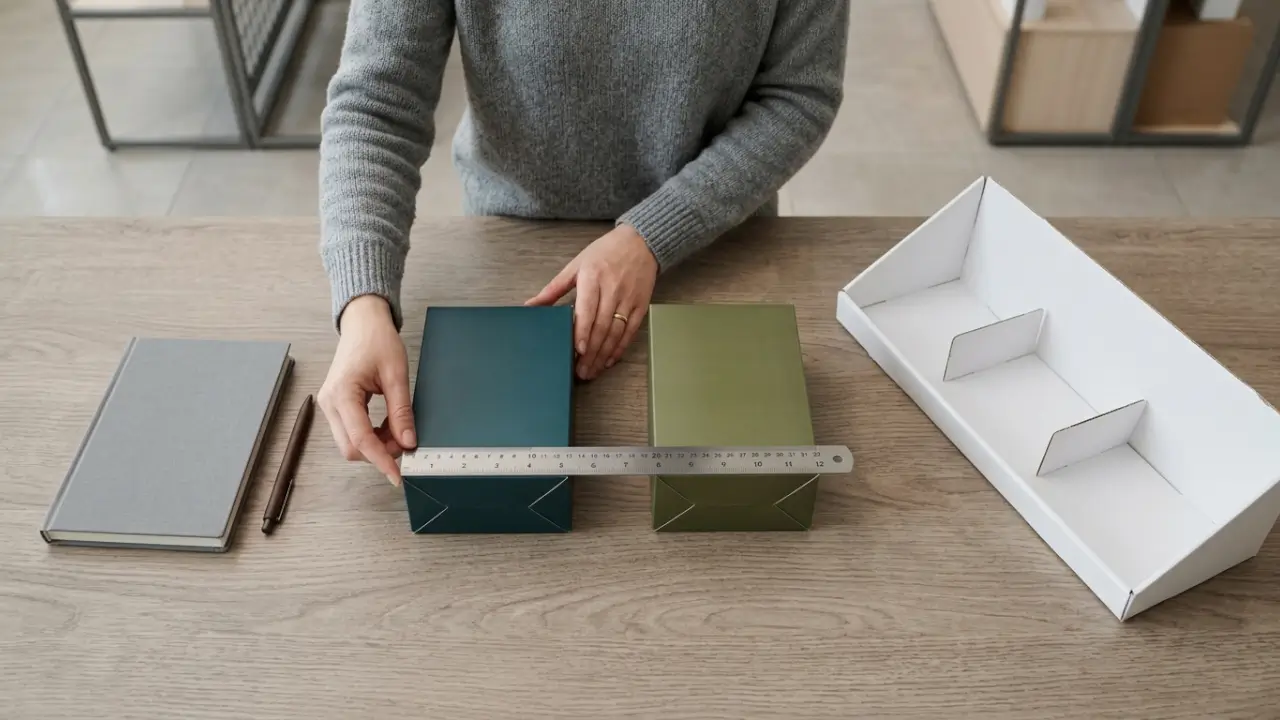
Request photographs of the item beside a ruler and of the retail package from multiple sides. Confirm that the images show the exact edition offered, not a reference release.
Build the First AAHS or Rabbit Order Around Sellable Units
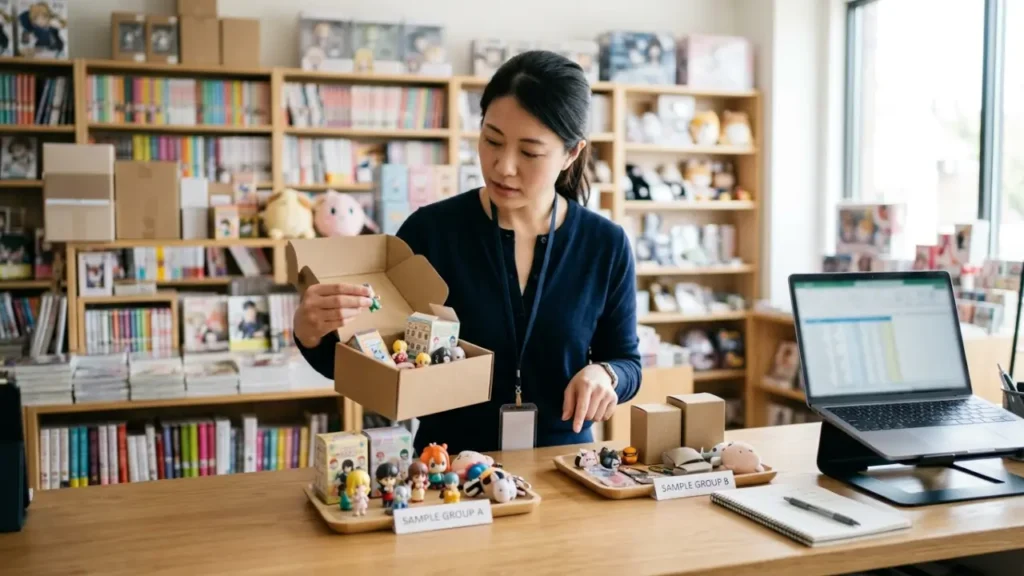
Separate supplier MOQ from pack quantity. A minimum order may apply to an individual SKU, a line, or the whole purchase. Ask whether mixed-line orders count toward that minimum and whether opening cases changes the commercial terms.
If either offer is a blind-box format, confirm the assortment rules in writing. A sealed display does not automatically promise a complete set, no duplicates, or a particular rare variant. If the goods are selectable instead, request variant-level quantities and substitution restrictions.
For example, a store planning a 24-unit trial might allocate 12 units to each line, but only if documented pack sizes permit that split. If one line requires a much larger commitment, compare total cash exposure rather than treating the trial as balanced.
- Set a trial budget that includes freight and receiving costs.
- Reserve space using actual packaged measurements.
- Track sell-through by line and, where identifiable, by character.
- Record discounts, returns, and damage so unit sales do not hide weak performance.
If splitting the order is impractical, test the better-supported line first. A smaller documented commitment can be preferable to a broader assortment that ties up cash.
Still deciding? Request matching specification sheets and case-pack breakdowns for both lines before asking for a larger-order discount. That small step often reveals whether the offers are comparable.
Why the Cheaper AAHS or Rabbit Quote May Cost More
Normalize each quote to the same destination, currency, pack basis, and delivery responsibility. A lower merchandise price may be offset by larger cartons, additional handling, or a higher minimum purchase.
Формула планирования: estimated landed cost per sellable unit equals merchandise cost plus freight, insurance where applicable, import charges, brokerage, and receiving or preparation costs, divided by expected sellable units.
Model damage or repacking as a clearly labeled scenario, not an assumed failure rate. Also distinguish recoverable taxes from nonrecoverable costs with accounting advice. Buyers should verify duties, classification, and import requirements for their destination.
Ask for carton dimensions, gross weight, carton count, dispatch origin, and the quoted delivery terms. Separately confirm whether goods are available for allocation, awaiting release, or dependent on another procurement step. A freight estimate is not proof that merchandise is ready.
For advance purchases, use the retailer checklist for evaluating anime pre-orders to review release uncertainty, allocation conditions, and cancellation exposure.
Reorder from observed sales pace and confirmed replenishment time, not initial enthusiasm. Record when to review stock, but recheck edition and availability before advertising a restock date.
Protect Collectible Condition and Challenge Unclear Offers
Request a sample or inspection evidence tied to the quoted SKU where feasible. Match the checks to the confirmed material: printed surfaces need artwork and abrasion checks; molded items need finish and assembly checks; textile items need seam and attachment checks.
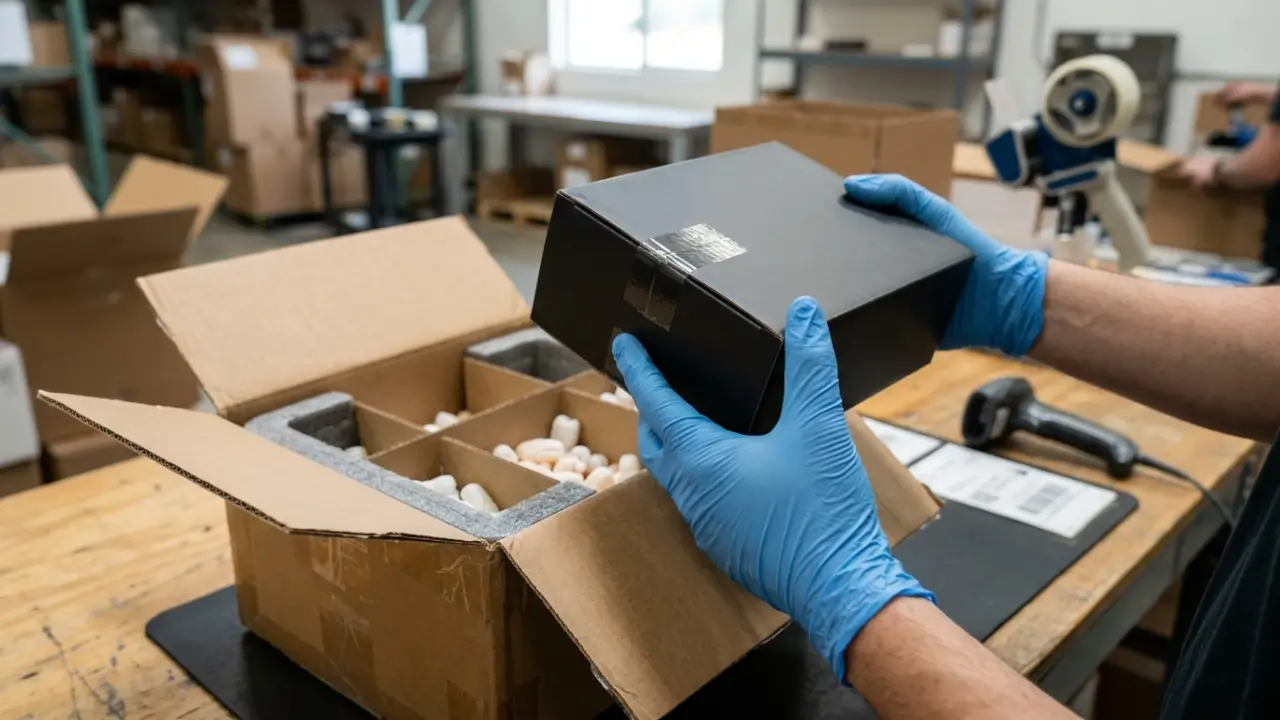
Inspect retail packaging separately from the merchandise. Crushed corners, broken seals, mismatched labels, or scuffed presentation surfaces may reduce collectible appeal even when the item remains usable. Ask how retail boxes are separated and protected inside the shipping carton.
- Photographs do not match: require clarification when the sample, carton label, and invoice identify different editions.
- “Full set” is undefined: ask precisely what is included and whether duplicates or substitutions are possible.
- Source claims lack support: request documentation appropriate to the transaction rather than relying on logos in promotional images.
- Claim terms are vague: document reporting deadlines, required photos, exclusions, and the proposed remedy before payment.
Confirm applicable age grading, warnings, labeling, and safety documentation for the destination market and intended sale. Do not assume a collectible label removes regulatory obligations. Ask a qualified local adviser when classification or documentation is unclear.
If you also buy other character lines, the Bunny Alliance vs Bear Alliance retail comparison offers a related assortment-planning perspective. Keep its product-specific information separate from the evidence collected for AAHS and Rabbit.
Send One Brief for Both Lines Before Committing
Give suppliers the same purchasing brief so differences in their responses are visible. Include your destination, sales channel, intended order structure, preferred arrival window, and any packaging-condition requirements.
Please quote the exact Alien Stage AAHS and Rabbit releases identified in the attached references. For each, confirm the full product name, SKU, edition, material, dimensions, character list, purchase format, and source documentation. Please state MOQ, units per pack and carton, mixing options, merchandise price basis, carton measurements, gross weight, order status, dispatch estimate, freight terms, and damage-claim procedure. Identify any substitutions or details still awaiting confirmation. Please provide relevant packaging images and destination-market documentation for review.
Choose AAHS if its verified assortment better matches customer requests and the commitment fits your budget. Choose Rabbit under the same evidence-based test. Trial both only when pack sizes and cash exposure allow a meaningful comparison.
Before placing an order, request written, itemized quotes for both lines using this brief. Resolve missing specifications and document the final SKU, quantity, delivery basis, and claim terms in the purchase agreement.
ЧАСТО ЗАДАВАЕМЫЕ ВОПРОСЫ
Is Alien Stage AAHS better than Rabbit for anime stores?
Neither can be ranked without verified specifications and store-level demand evidence. Favor the line that matches customer requests, fits your display, and creates manageable cash exposure.
Should a store stock both lines initially?
A split trial can help if case packs and budget permit. Otherwise, start with the line supported by stronger demand evidence and review sell-through before expanding.
Does a sealed case guarantee a complete character set?
Do not assume it does. If the offer uses random packaging, request written assortment rules covering duplicates, set completeness, and any special variants.
What information is needed to compare landed costs?
Collect merchandise totals, pack quantities, carton measurements, gross weight, dispatch origin, freight terms, and applicable import and handling charges for the same destination.
What should buyers verify about authenticity and compliance?
Request traceable sourcing documentation and any applicable authorization evidence. Separately verify destination-market requirements for labeling, age grading, safety documentation, and import procedures.
Before You Allocate Shelf Space
Make the AAHS vs Rabbit decision on verified identity, customer fit, and total inventory exposure. Keep a written comparison, start with a manageable commitment, and use actual sell-through to decide which line earns the next order.