





You notice colors before anything else when you shop. In just 7 seconds, your mind forms an opinion about a product, and research shows that up to 90% of those first impressions come from color. Colors serve as powerful emotional triggers—red can make you feel excited, while blue helps you feel calm and safe. At Коробка Kidults, we help retailers leverage these color trends with our curated wholesale inventory.
- About 85% of consumers say that color influences their buying choices.
- 85% of buyers choose a product mainly because of its color.
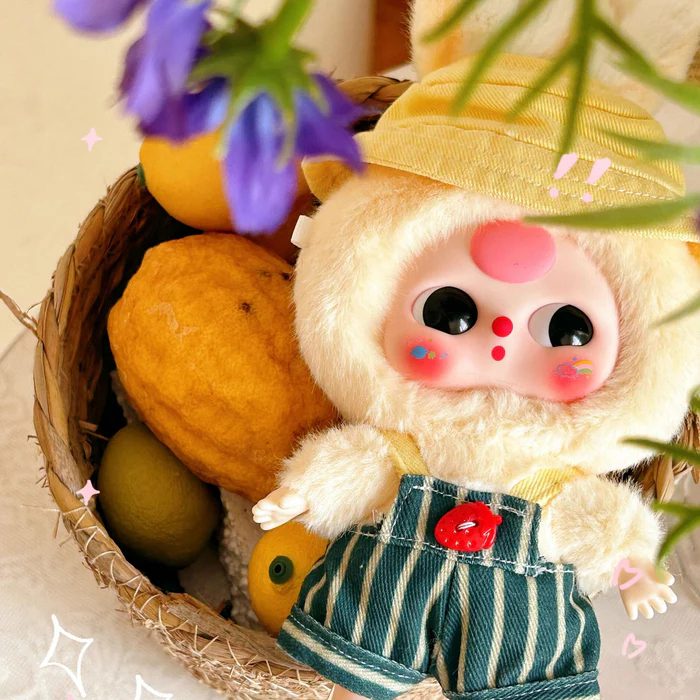
When you look at the Baby Three V3 “Macaron Bunny,” think about how its color makes you feel and why you want to pick it up. Colors Matter in every buying decision you make.
Why Colors Matter for Sales
First Impressions and Buyer Attraction
You make decisions about products very quickly. In fact, you often judge a product within 90 seconds of seeing it. Most of this judgment comes from color. When you walk into a store or scroll through an online shop, the colors you see can grab your attention before you even read the product name. Colors Matter because they help products stand out in a crowded market.
Tip: If you want your product to catch someone’s eye, choose a color that pops against the background.
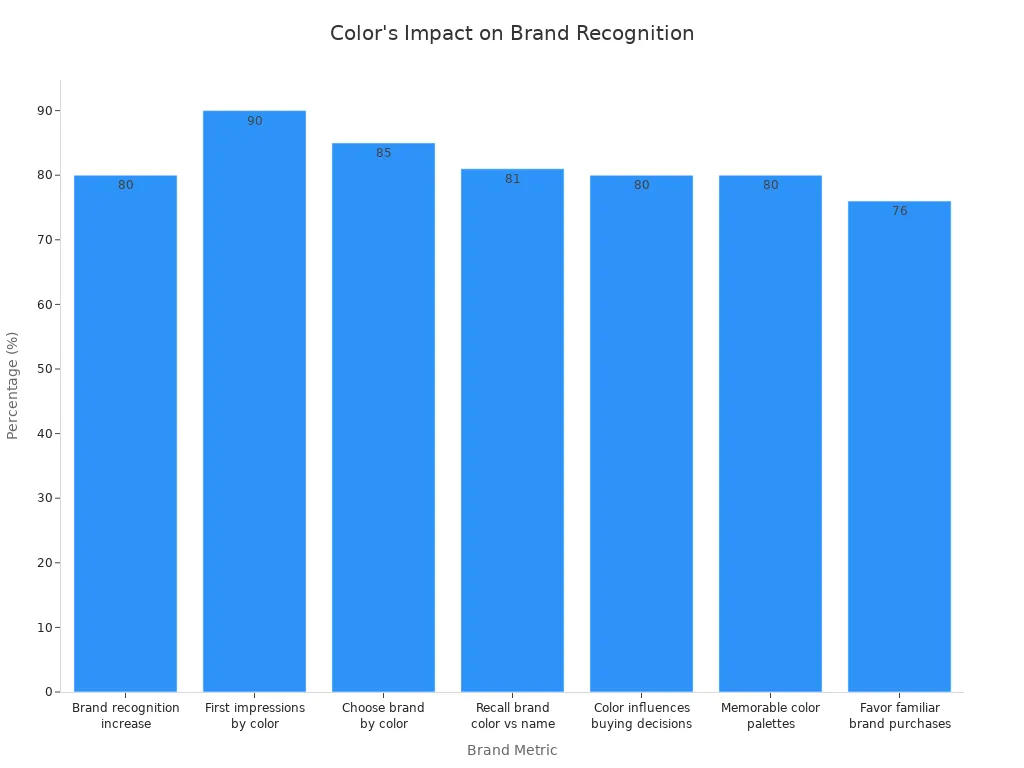
Market research shows that color can boost brand recognition by up to 80%. You remember brands better when their colors are unique and consistent. Color also gives you information fast. Up to 90% of the details you notice about a product come from its color. This means that the right color can make you feel excited, calm, or even hungry.
Here is a table showing what some studies found about color and sales:
| Study | Выводы |
|---|---|
| Public Health England (2020) | 40% increase in food and drink purchases when items are on sale. |
| Sheehan et al. (2019) | 37% of products in major online grocery retailers were advertised with discount promotions. |
| Labrecque et al. (2013) | Color red in advertising affects consumer perception of discounts. |
| Puccinelli et al. (2013) | The effectiveness of discount promotions is influenced by visual cues, including color. |
You can see that color does not just make things look nice. It can change how you feel about a sale or a special offer. The color red, for example, often makes discounts seem bigger and more exciting.
Color and Customer Targeting
You can use color to attract the right customers. Different groups of people like different colors. For example, blue is the top choice for both men and women. Green and red are also popular. Purple is liked more by women than men. If you know who you want to buy your product, you can pick colors that match their tastes.
- Different age groups and cultures see colors in their own way.
- Some colors mean different things in different countries.
- Marketers use these facts to make sure their products send the right message.
Colors Matter when you want people to come back and buy again. Research shows that the color of packaging can make you think a product is healthier or more special. If you see black or silver on a package, you might think it is a luxury item. When you believe a product is better, you are more likely to buy it again and even tell your friends.
- The look of a product, including its color, can make you feel loyal to a brand.
- Color-coded labels help you find what you want faster and make better choices.
You can use color to build trust and keep your best customers coming back. When you choose the right colors, you do more than just make a sale—you create a connection that lasts.
Color Psychology and Brand Perception
Emotional Influence of Colors
Colors change how you feel about brands and products. Your brain reacts fast when you see a color. Warm colors like red and orange can make you feel excited. They might even make you feel hungry. Cool colors like blue and green help you feel calm and safe. Marketers use these feelings to help you pick what to buy. Studies say that color causes up to 90% of quick choices about products. This means your first feelings about a product often come from its color.
Color psychology shows how colors link to feelings like trust, happiness, or worry. You might feel calm when you see green because it looks like nature. Blue helps you trust a brand, so banks and tech companies use it in their logos. Your own life and culture also change how you see colors. Some people think red is lucky, but others think it means danger. Brands learn about these feelings to pick colors that fit their message.
Here is a table that shows how colors change what people do:
| Цвет | Effect on Consumer Behavior | Источник |
|---|---|---|
| Red | Encourages impulse buying | Daily Mail research |
| Blue | Builds trust and reliability | Floowi research |
| Green | Associated with nature and calm | Superside analysis |
Building Brand Recognition with Color
Colors Matter when you want people to remember your brand. If you use the same colors everywhere, people know your brand faster. Studies say using the same colors can help people remember your brand up to 80% more. Most people remember a brand’s color better than its name. In fact, 81% remember the color, but only 43% remember the name.
Brands like Target, Starbucks, and McDonald’s use color to shape how you see them. Target uses red for excitement and value. Starbucks uses green to make you feel calm and eco-friendly. McDonald’s uses yellow and red to make you think of food and happiness. When you see these colors, you know the brand right away.
Tip: Pick colors that fit your brand’s style and use them everywhere—on your packaging, ads, and website. This helps people remember you and makes them loyal.
The Impact of Color on Buying Decisions
Key Statistics on Color and Sales
Color affects what you buy more than you think. Studies say you judge products fast. Most of your first thoughts come from color. About 90% of product choices are based on color. Your brain sees color before anything else. This quick reaction can make you buy or skip a product.
Here is a table with important facts about color and sales:
| Статистика | Описание |
|---|---|
| 90% | of all product assessments are based on color alone. |
| 85% | of the rationale behind consumers purchasing a specific product is due to color. |
| $2.13 | more per click generated by red CTAs compared to blue alternatives. |
| 47% | higher interaction rates from high-contrast elements. |
| 23% | reduction in abandonment rates with color-optimized checkout flows. |
| 13% | increase in add-to-cart actions on Amazon. |
| 21% | higher click-through rates on Booking.com. |
| 40% | boost in premium conversions for Spotify. |
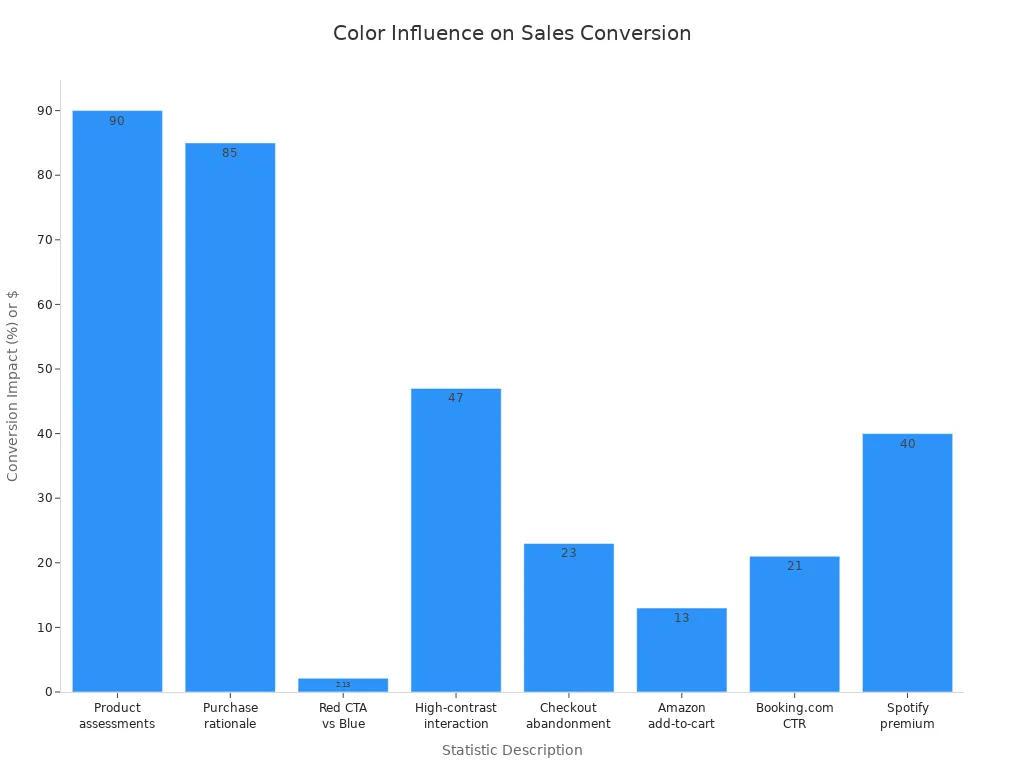
The right color can help you get more clicks and sales. Red buttons often get clicked more than blue ones. High-contrast colors make products easier to see. Good use of color makes shopping simpler and more fun.
Differentiating Products with Color
Colors Matter when you want your product to be noticed. You can pick a color that makes your brand special. If your color is different, people remember you. This helps build trust and keeps customers coming back.
Here is a table showing how color helps brands stand out:
| Function | Пояснение |
|---|---|
| Instant Market Differentiation | A unique color helps brands stand out in a crowded market, creating immediate visual recognition. |
| Global Brand Consistency | Colors communicate brand identity across cultures, ensuring consistent recognition worldwide. |
| Customer Trust-Building | Familiarity with a brand’s color fosters trust and predictability among consumers. |
| Legal Protection Against Copycats | Trademarking signature colors provides brands with legal safeguards against imitation. |
You can use color to reach different age groups. Gen Z likes bright colors like electric blue and hot pink. Baby Boomers like softer blues and greens. If you know your audience, you can pick colors they like.
Tip: Pick a color that matches your brand and is different from others. This helps people notice and remember you.
Smart color choices do more than catch attention. They help you build a brand people trust and want to buy from again.
Choosing Colors for “Macaron Bunny”
Why Pastel Colors Appeal
You see pastel colors a lot in kids’ products. Soft colors like baby blue, mint green, and gentle pink make you feel calm. These colors help make a peaceful space for young children. Research says pastel colors in toys and play areas stop kids from feeling too excited. They also help kids feel comfortable. Brands use pastels because parents want safe and gentle things for their kids.
Pastel colors help kids be creative. Many schools and parents pick pastel art supplies to help kids make art. The market for pastel products gets bigger every year. Parents want items that are safe, high-quality, and easy to clean. That is why pastels are a top pick.

Here is a table that shows why pastel colors are good for kids’ products:
| Аспект | Details |
|---|---|
| Market Growth | Expected CAGR of 5-7% over five years, showing steady interest in creative activities. |
| Consumer Behavior | Parents prefer premium, safe products for their children. |
| Product Safety | Non-toxic and washable pastels meet strict safety standards. |
| Целевая аудитория | Pastel colors appeal to younger children and support early creativity. |
| Key Players | Brands like Crayola and Faber-Castell shape pastel product trends. |
People in different places see pastel colors in their own way. In Western cultures, pastels mean elegance and simple style. In Eastern cultures, the meaning is not always the same. Here is a table that shows some differences:
| Culture | Color Perception |
|---|---|
| Western | Elegance and simplicity |
| Eastern | Varies |
Tips for Selecting Colors That Sell
You want your product to get noticed and connect with buyers. Good brands pick colors that fit their style and speak to their audience. You can use these tips to pick colors that help your product sell:
- Learn about your target audience. Pick colors that match their age and what they like.
- Use color theory. Choose colors that look nice together and fit your brand.
- Think about what colors mean in different places. Make sure your colors send the right message everywhere.
- Try out different color choices. See which ones buyers like best.
- Be consistent. Use the same colors on your packaging, ads, and website so people remember you.
Color psychology is important in product design. You make people feel good when you pick colors that match your brand and audience. Colors Matter because they help you build trust and make your product easy to remember.
Tip: Watch for seasonal trends. Pastel colors are popular in spring, so selling new products in these shades can help you sell more.
Colors Matter because they shape how you feel and what you buy. You can use color to grab attention, build trust, and make your product stand out. Experts say up to 90% of snap judgments come from color alone. To boost your sales, try these steps:
- Learn what colors your audience likes.
- Use color to highlight important actions.
- Test different colors to see what works best.
Start experimenting with color choices today to see how they can help your products succeed.
🎨 Capitalize on Color Trends
Stock up on the best-selling pastel and vibrant series like Baby Three and Киммон from Коробка Kidults.
Explore Colorful Collections »
ЧАСТО ЗАДАВАЕМЫЕ ВОПРОСЫ
What makes pastel colors good for kids’ products?
You see pastel colors as soft and calming. These colors help children feel safe and relaxed. Pastels also make play spaces look clean and gentle. Many parents choose pastels because they want a peaceful environment for their kids.
How do colors affect your buying decisions?
Colors grab your attention first. You often choose products based on how their colors make you feel. Bright colors can excite you. Soft colors can calm you. The right color can make you trust a brand or want to buy more.
Can color choices help your brand stand out?
Yes! Unique colors make your brand easy to spot. Consistent use of color helps people remember you. Here is a quick table:
| Выгода | How Color Helps |
|---|---|
| Recognition | Easy to remember |
| Trust | Builds loyalty |
| Differentiation | Stands out in the crowd |
What should you consider when picking product colors?
You should think about your audience’s age and culture. Test different colors to see what works best. Stay consistent with your brand style. > Tip: Use color to highlight important features or actions.

