



Deciding which of two collectible series earns limited shelf space and purchasing cash is harder than picking the one that photographs best. A MOLLY Carb-Lover vs Scenery Along the Way comparison only pays off when you connect customer appeal with case commitments, packaging condition, and the true cost of getting saleable stock onto your shelf.
No verified specifications or supplier quotations are supplied here for either series. Treat this as a purchasing framework, not a claim that one has a particular material, size, assortment, or availability. Confirm the exact edition and product format before applying the comparison.
Where Would MOLLY Carb-Lover Fit Beside Scenery Along the Way?
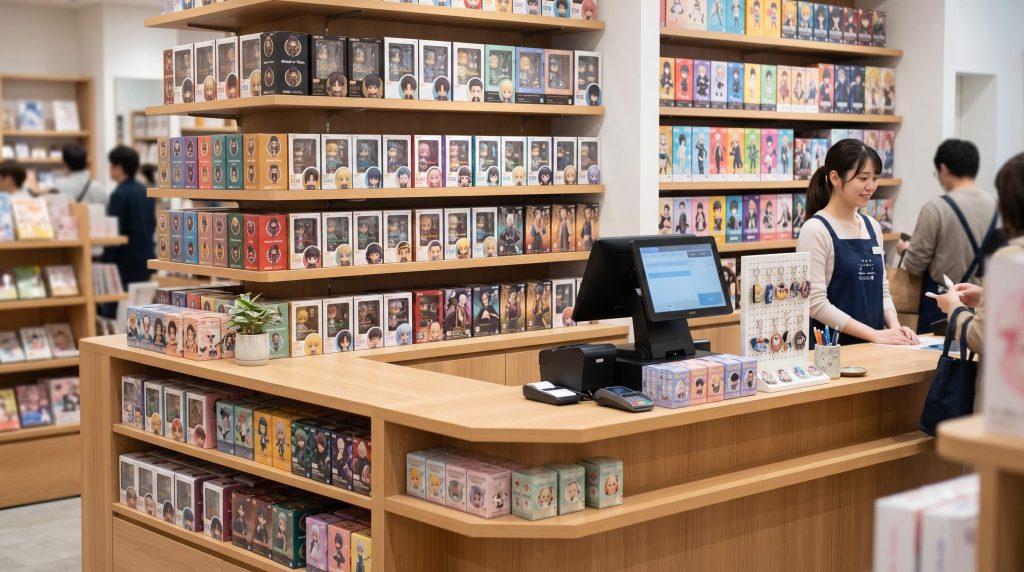
Start with the customer occasion. The series names suggest different merchandising directions, but names alone do not establish the actual designs. Review verified lineup images and ask whether shoppers can understand each collection’s appeal quickly.
- Food-adjacent gift retailers: If confirmed Carb-Lover designs visibly support a food theme, test whether they complement your existing checkout gifts rather than merely matching the store concept.
- Collectible specialists: Compare customer requests, previously sold MOLLY items, and interest in the exact editions. Existing character demand is useful evidence, but it does not prove demand for every series.
- Lifestyle gift shops: If Scenery Along the Way’s verified imagery supports your display story, assess whether it works as a standalone gift without lengthy explanation.
- Tiendas online: Judge both collections at thumbnail size. Can shoppers identify the theme and understand what a sealed purchase contains?
Use the same test for both: show approved images in comparable placements and record qualified inquiries or customer preferences. Likes alone are a weak purchasing signal. For food-adjacent merchandising, the guide to blind box products for bubble tea shops offers a related channel-planning perspective.
Put Both MOLLY Editions on the Same Comparison Sheet
Before comparing supplier totals, establish whether the quotes describe equivalent purchasing units. A listing title may omit the edition, packaging language, or the distinction between a single sealed box and a full display case.
Ask each supplier to complete the following fields for both series. Keep unconfirmed fields visible rather than filling gaps from photographs or another seller’s listing.
| Buying criterion | MOLLY Carb-Lover: request | Scenery Along the Way: request | Decision rule |
|---|---|---|---|
| Exact product identity | Full edition name, SKU or barcode, current box photos | Full edition name, SKU or barcode, current box photos | Resolve mismatches before payment. |
| Format and construction | Product type, materials, dimensions, included components | Product type, materials, dimensions, included components | Compare shelf and handling needs using confirmed specifications. |
| Visual assortment | Verified lineup and approved merchandising images | Verified lineup and approved merchandising images | Choose against your customers’ preferences, not the series name alone. |
| Case contents | Units per display and master carton; written assortment terms | Units per display and master carton; written assortment terms | Do not assume a sealed case guarantees a complete set. |
| Order commitment | MOQ by series and permitted ordering increments | MOQ by series and permitted ordering increments | Calculate total cash committed at the actual orderable quantity. |
| Envases para la venta al por menor | Box measurements, seals, language, barcode placement | Box measurements, seals, language, barcode placement | Check gift presentation and shelf compatibility. |
| Freight inputs | Packed carton measurements, gross weight, dispatch location | Packed carton measurements, gross weight, dispatch location | Compare delivered costs on equivalent shipping terms. |
| Supply and claims | Availability basis, dispatch estimate, damage-claim process | Availability basis, dispatch estimate, damage-claim process | Prefer documented terms over verbal reassurance. |
For a broader example of assortment evaluation, see the four-series CRYBABY retail buying comparison. Keep this order’s product specifications separate; another character’s case configuration is not evidence for MOLLY.
Let Case Packs Set the Size of Your MOLLY Trial
Ask whether MOQ applies per SKU, per series, per carton, or across the entire purchase. Also confirm whether mixing the two series changes pricing or requires opening original display cases. A flexible total-order minimum can still hide an inflexible commitment to each collection.
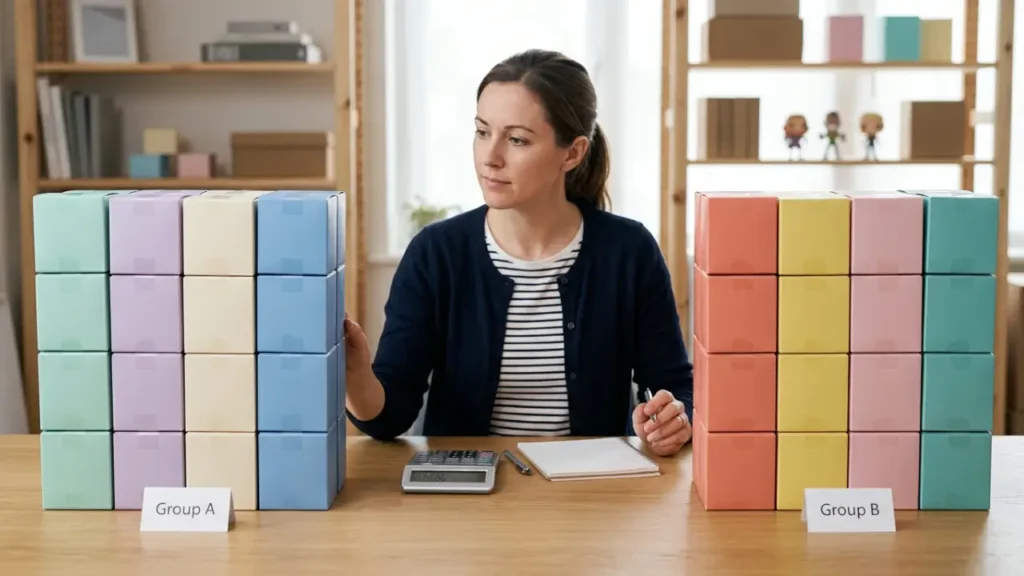
Planning example: Suppose your trial budget supports about 48 units in total. An equal 24/24 split makes sense only if both confirmed ordering increments permit it and demand evidence is similar. If one series draws stronger customer requests, a weighted trial—say 32 of the stronger series and 16 of the other—may be more useful than a symmetrical display. (These figures are illustrative; confirm the real increments before ordering.)
Separate opening stock from display allocation. If you open a sealed unit for photography or an in-store sample, record it separately from sealed saleable inventory. Do not build the sales forecast around receiving a rare design or completing a set unless the applicable assortment terms explicitly support that expectation.
Retailers protecting a small opening budget can also review blind box buying for stores with limited budgets. The relevant question is how much cash remains available if the first assortment sells slowly.
Before choosing a trial split, ask your shortlisted supplier for a side-by-side quotation with case increments and assortment terms attached. That small clarification can prevent an unnecessarily large opening order.
Which MOLLY Quote Leaves More Saleable Stock per Dollar?
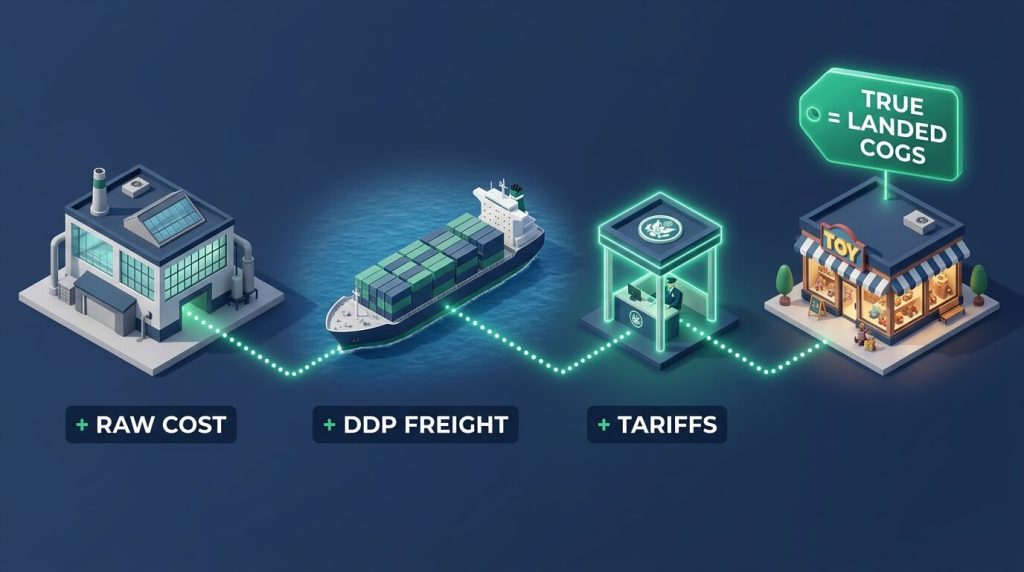
A lower unit price does not settle the comparison. Calculate the order’s goods value, freight, insurance where applicable, destination charges, applicable duties or taxes, and receiving costs. Treat recoverable taxes separately where appropriate, and verify import assumptions with your broker or adviser.
Fórmula de planificación: landed cost per saleable unit equals relevant acquisition and inbound costs divided by the units you expect to sell in the intended condition. Keep any damage assumption clearly labeled as a scenario, not a prediction about either series.
Run both quotes using the same destination, transport method, currency basis, and delivery terms. Ask whether freight was calculated from packed carton measurements and gross weight. Dimensional charging may matter even when the individual collectibles are light.
Separate supplier preparation time from carrier transit and customs clearance. Confirm whether the quoted dispatch estimate depends on current stock allocation or a future replenishment. Do not announce a retail launch date solely from a transport estimate.
For reorders, track sales by series and subtract display samples from available inventory. Use observed weekly sales, the confirmed replenishment window, and a chosen buffer to set a reorder trigger. If repeat supply is uncertain, avoid promoting either collection as a permanent assortment.
Inspect MOLLY Boxes Without Undermining the Sealed Sale
For collectible retail, a damaged outer box can turn a premium sealed item into a markdown even when the contents are intact. Specify acceptable retail-box condition before ordering: crushed corners, moisture marks, torn surfaces, broken seals, and labels covering artwork should each have an agreed treatment.
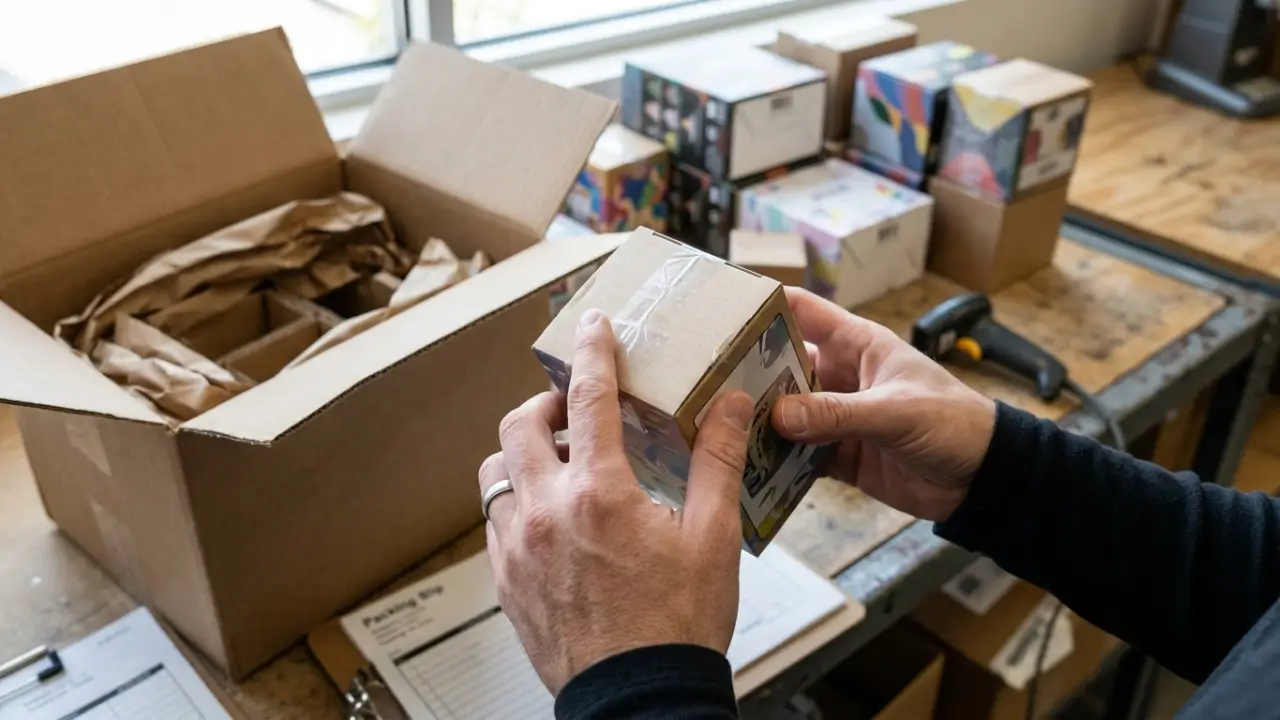
Request current packing photos showing retail boxes, display cartons where applicable, and the protective outer shipping carton. Confirm how gaps are filled and whether master cartons receive additional protection. Promotional images cannot establish how a shipment will actually be packed.
- Before dispatch: Check product identifiers, quantities, carton condition, and the agreed packing details.
- At receipt: Photograph unopened shipping cartons, then record visible box damage and seal irregularities.
- For product checks: Agree on a sample-opening plan and who bears the cost. Do not open saleable blind boxes indiscriminately.
- For claims: Confirm evidence requirements, reporting deadlines, and proposed remedies in writing.
Request destination-appropriate labeling and any applicable product documentation. Buyers should verify age grading, warnings, material-related requirements, importer obligations, and local rules with qualified advisers where necessary. Character recognition or attractive packaging does not establish compliance.
Pause the purchase if a supplier cannot reconcile the quoted SKU with box photos, gives contradictory case counts, or substitutes generic assurances for sourcing documentation. Verify authenticity evidence separately from packaging quality; a clean box alone is not proof.
Send One Buying Brief for Both MOLLY Series
A common mistake is comparing a bare goods quote for one collection against a delivered quote for the other. Another is accepting a claimed complete assortment without written details about duplicates, special designs, or substitution rules. Request clarification before treating either offer as comparable.
Prepare your delivery destination, sales channel, intended order split, preferred purchasing unit, and required arrival window. Include any restrictions on damaged packaging or opened cases.

Use this inquiry template to keep supplier responses aligned:
Please quote MOLLY Carb-Lover and Scenery Along the Way separately for our retail assortment. Confirm the exact edition, SKU or barcode, product format, materials, dimensions, and current packaging photos. State MOQ, units per display case and master carton, ordering increments, and mixed-series options. Explain sealed-case assortment terms, including any duplicate or special-design conditions. Provide goods pricing, currency, quote validity, packed carton dimensions and weight, dispatch location, availability basis, preparation estimate, shipping method, and delivery terms for our destination. Please also share sourcing evidence, applicable destination documentation, packing arrangements, and the damage or shortage claim process. Identify anything not yet confirmed.
Request both quotations before committing to either series. Return unresolved fields for clarification, then choose the opening allocation using customer evidence, orderable quantities, and landed cost—not an unsupported promise of stronger resale demand.
PREGUNTAS FRECUENTES
Which series should a retailer buy first?
Start with the series that has stronger customer evidence and a manageable case commitment. If demand is untested, compare verified lineup images and request the smallest practical trial allowed by confirmed ordering terms.
Does a sealed MOLLY case guarantee a complete set?
Do not assume it does. Ask for written assortment terms for the exact edition, including duplicate rules and whether special designs can replace standard designs.
Can retailers mix both series to meet MOQ?
That depends on the supplier’s terms. Confirm whether MOQ applies across the order or separately by series, and whether mixing affects price or original sealed-case packaging.
How should buyers compare wholesale prices?
Use the same delivery destination and shipping terms, then compare total landed cost per saleable unit. Include the actual orderable quantities and distinguish confirmed charges from estimates.
What should buyers check before paying?
Verify product identity, sourcing evidence, case contents, packaging condition requirements, delivery terms, and the claim process. Check applicable destination labeling and documentation requirements before authorizing shipment.
Before You Allocate the MOLLY Budget
Neither series is the automatic retail winner without verified specifications and customer evidence. Complete the comparison sheet, resolve the case and shipping assumptions, and keep the first commitment proportionate to demonstrated demand. Reorder the collection that earns its shelf space through actual sales.