



Deciding which collectible series earns shelf space, purchasing budget, and staff attention is a real buying problem, not a branding exercise. This comparison weighs KIMMON Beyond the Age of Gods against High Tea through the questions that matter before you place an order: who will buy, how the assortment arrives, and what each sellable unit actually costs.
The information supplied does not establish either series’ material, dimensions, lineup, packaging format, or commercial terms. Treat the recommendations below as buying rules, not verified product specifications. Obtain current supplier documents and samples before assigning either series a permanent role in your store.
Start With the Shopper, Not the Series Name
Do not choose solely because one name sounds more suitable. Beyond the Age of Gods may suggest a mythology-led merchandising direction, while High Tea may suggest an occasion-led one; neither name proves the actual design, audience, or gift presentation. Test those directions against verified lineup photos.
- Collector-focused stores: Compare character variation, display impact, and questions from existing customers. Ask whether shoppers recognize the series or need an introduction.
- Gift boutiques: Check whether the box communicates its contents clearly, fits your gift presentation, and can be sold without a lengthy explanation.
- Lifestyle or café-adjacent shops: Consider High Tea only if its actual artwork and presentation suit your assortment. A thematic name alone is not evidence of customer fit.
- Интернет-магазины: Assess whether approved photos explain scale, contents, and any randomized selection clearly enough to reduce purchase confusion.
A useful test is to show equally detailed images of both series to comparable customer groups. Record purchase interest separately from casual likes. If one series needs substantially more explanation, include that staff or content workload in the decision.
Put Both Series on One Buying Sheet
Ask suppliers to complete the same fields for both series. A missing answer should remain an open purchasing question, not become an assumption based on another KIMMON release.
| Buying criterion | Beyond the Age of Gods: confirm | High Tea: confirm | Decision rule |
|---|---|---|---|
| Exact identity | SKU, edition, and current lineup images | SKU, edition, and current lineup images | Compare specific editions, not abbreviated names. |
| Format and construction | Materials, dimensions, included parts | Materials, dimensions, included parts | Select a format your customers understand and your fixtures accommodate. |
| Assortment structure | Selection method and documented duplicate rules | Selection method and documented duplicate rules | Do not promise a complete lineup without written support. |
| Розничная упаковка | Box dimensions, seals, labels, barcode | Box dimensions, seals, labels, barcode | Prefer packaging that fits your handling and checkout process. |
| Ordering unit | Units per case and series-specific minimum | Units per case and series-specific minimum | Compare total commitment, not just unit cost. |
| Delivery exposure | Carton measurements, weight, dispatch basis | Carton measurements, weight, dispatch basis | Estimate freight using actual packed dimensions. |
| Market readiness | Age guidance and applicable documentation | Age guidance and applicable documentation | Resolve destination-market requirements before paying. |
| Replacement handling | Claim evidence and remedy terms | Claim evidence and remedy terms | Choose terms your receiving team can follow. |
For a compact store, draw the proposed display footprint before ordering. A series that fits more sellable units on an existing fixture may be easier to trial than one requiring a new display. The guide to blind box products for limited shelf space offers a related space-planning framework.

Use physical packaging samples where possible. Screen images cannot reliably show box rigidity, shelf depth, or how easily staff can read identification labels.
Let Case Packs Set the Size of Your KIMMON Trial
Request the minimum order quantity for each series, the retail units per inner case, and the inner cases per master carton. Also ask whether mixed-series orders are permitted and whether mixing changes pricing or assortment integrity.
For example, a retailer planning a 24-unit trial could compare an even allocation with a demand-weighted split, but only if the confirmed case packs allow it. Do not build an order around an assumed case size or ask a supplier to break sealed assortments without understanding the consequences.
If the supplied format is randomized, clarify whether an unopened case has documented assortment rules. Ask what happens with duplicates, special variants, and opened cases; do not infer allocation from the number of designs shown.
Ring-fence any display or photography sample in the budget. If opening it makes the unit unsuitable for normal sealed-box sale, it is a merchandising expense rather than regular sellable inventory.
Which Series Leaves More Room After Freight?
A lower quoted unit price does not necessarily make the better retail buy. Compare both series at the same delivery destination, currency, order basis, and commercial shipping term.
Формула планирования: estimated landed cost per sellable unit equals the purchase total plus freight, insurance, applicable duties, nonrecoverable taxes, clearance, and inbound handling, divided by expected sellable units. Avoid adding charges already included in the quotation.
Confirm carton dimensions and gross weight before estimating freight. Bulky protective packaging can change chargeable weight, while insufficient protection can increase damaged-box exposure. Ask a freight provider to compare the proposed shipments rather than guessing from product photographs.
Then compare landed cost with your intended net selling revenue after relevant selling fees, fulfillment, and discounts. Verify customs classification and tax treatment with an appropriate adviser for the destination market.
Planning a first inquiry? Prepare a side-by-side request for the same destination and intended order scale. That makes differences between Beyond the Age of Gods and High Tea easier to explain and negotiate.
Inspect the KIMMON Box as Carefully as the Contents
For collectible retail, packaging condition can affect saleability even when the item inside is intact. Request current photographs of the retail box, seals, inner packing, and master carton, then agree which defects must be reported.
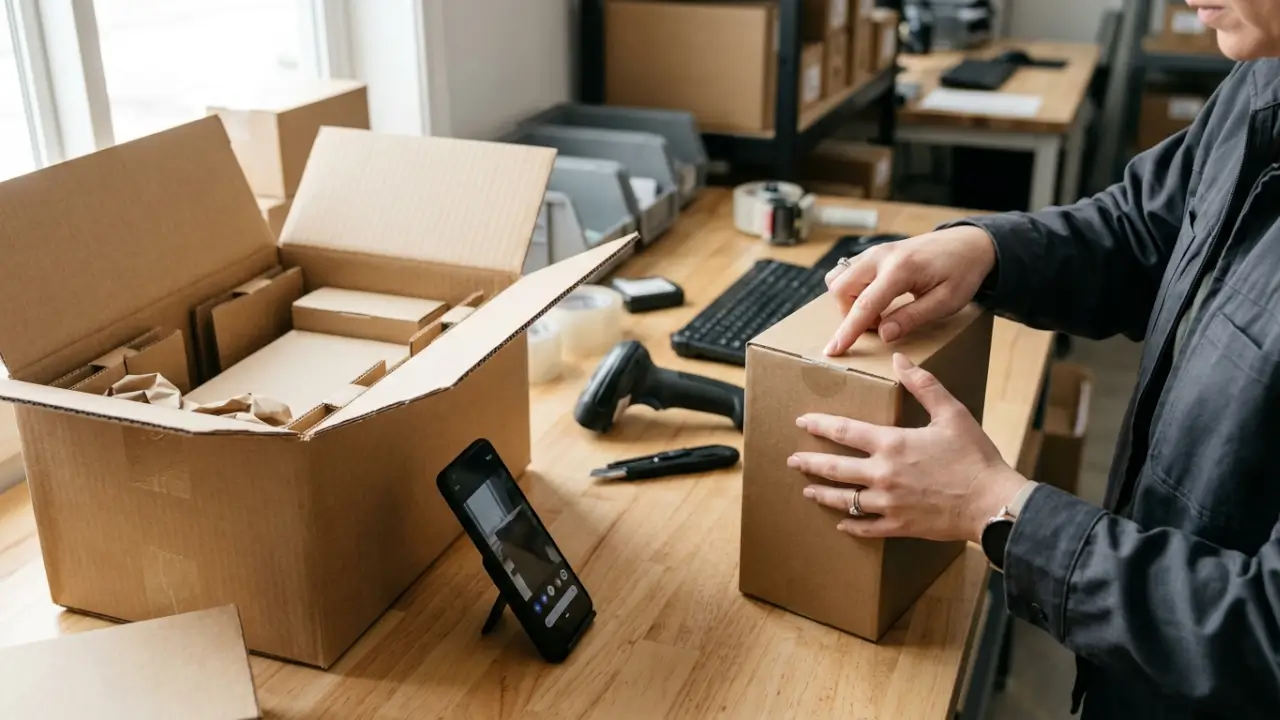
Use a receiving checklist that staff can apply consistently:
- Match carton labels and quantities to the purchase order before opening.
- Photograph crushed corners, moisture marks, broken seals, and shipment labels.
- Check approved samples for finish, stitching, joints, or attachments as relevant to the confirmed material.
- Verify that included parts match the documented specification.
- Confirm legible identification, age guidance, warnings, and any required destination-language labeling.
Ask for evidence supporting product identity and legitimate sourcing. Any safety or testing documents should correspond to the actual item and intended market; a generic document for another product is not enough. Buyers should verify applicable requirements rather than assuming that a collectible description removes safety obligations.
Agree on the claim window, required photographs, and available remedies in writing. Clarify whether damaged retail packaging is treated differently from a damaged item.
Reorder the Stronger Series, Not the Louder Launch
Track each series separately after launch. Compare sell-through against received sellable units, and note customer questions, returns, display position, and stockout periods. Raw sales totals can mislead when one series started with more inventory or received better placement.
Ask suppliers to distinguish ready-to-dispatch inventory from expected replenishment or preorder supply. Request the dispatch estimate, transit assumptions, and dependencies separately. For unconfirmed releases, use the checks in this retailer guide to evaluating blind box preorders.
A reorder trigger should reflect average weekly sales, confirmed replenishment time, and a buffer suited to your risk tolerance. If demand is untested, avoid treating launch-week enthusiasm as a stable sales rate.
Keep the weaker series under review rather than immediately discounting it. Test clearer photography or a different display location first. The Nommi series comparison for gift stores provides another customer-fit perspective, though its product details should not be transferred to KIMMON.
Ask for Two Comparable Quotes Before You Commit
Pause if a supplier substitutes a different edition, cannot explain the ordering unit, or changes shipping terms between quotes. Another warning sign is describing a case as “complete” without defining the assortment guarantee. Request written clarification rather than relying on chat shorthand.
Send the following brief to each supplier:
Please quote KIMMON Beyond the Age of Gods and KIMMON High Tea separately for delivery to [destination]. Our store serves [customer type], and our intended trial quantity is [quantity], subject to confirmed case packs.
For each series, please provide the exact SKU and edition, lineup images, materials and dimensions, packaging format, assortment rules, units per case, MOQ, unit and case pricing, currency, shipping term, carton dimensions and weight, availability basis, dispatch estimate, and payment terms.
Please also confirm sample options, product identity and sourcing evidence, applicable market documentation, approved sales-image availability, and the process for shortages, damaged packaging, or defective items.
Request both written quotations with the same specification sheet attached. Choose the series that meets your customer-fit, landed-cost, and packaging requirements with a manageable opening commitment. If neither quote resolves those essentials, request clarification or a sample before authorizing the order.
ЧАСТО ЗАДАВАЕМЫЕ ВОПРОСЫ
Which KIMMON series is better for a gift store?
Choose the series whose verified artwork, packaging, size, and intended retail price fit your customers. High Tea’s name alone does not establish stronger gift appeal; compare samples or equally detailed images before deciding.
Should a retailer stock both series at launch?
Only if confirmed case packs, available space, and the trial budget support both. A smaller comparison can help test demand, but splitting the budget is not useful if either allocation becomes commercially impractical.
Does an unopened case guarantee every design?
Do not assume so. Ask for written assortment rules covering standard designs, duplicates, special variants, and whether those rules apply only to unopened cases.
How should buyers compare wholesale prices?
Compare the same edition, quantity basis, delivery destination, and shipping term. Add applicable inbound costs, then divide by expected sellable units rather than relying only on the quoted unit price.
What should be confirmed before paying?
Confirm product identity, specifications, order quantities, assortment rules, delivery assumptions, payment terms, damage remedies, and applicable destination-market documentation. Resolve material gaps in writing before committing.
Make the First KIMMON Order a Measurable Test
Neither series should win on its name alone. Select the one with stronger evidence of customer fit and workable ordering terms, document your trial criteria, and use actual sell-through to decide whether to expand, reorder, or change the assortment.