


A fantasy character series can look like an easy buy from a single product photo, yet its retail performance rarely depends on the character art alone. Before a visually appealing series becomes sellable inventory, a buyer needs to confirm assortment structure, packaging durability, case quantity, landed cost, and reorder timing. This guide walks retailers, gift shops, collectible toy sellers, and online resellers through evaluating the Pitenaught Into Neverland blind box as part of a fantasy figure lineup.
The goal is not to guess exact pricing, stock, or production details. Instead, use this guide to ask sharper quote questions, compare offers more accurately, and avoid the common sourcing mistakes that trip buyers up on a fantasy character blind box series.
Where the Pitenaught Series Fits on a Fantasy Collectible Shelf
A fantasy-themed blind box can play different retail roles depending on the store. Before requesting a quote, decide whether the Pitenaught series is meant to be a core collectible line, a seasonal gift item, a trial product, or a visual impulse buy near the checkout counter.
Different buyer types should weigh it differently:
- Collectible toy stores: compare character design strength, repeat purchase potential, and how the series sits beside other art toy lines already on the shelf.
- Сувенирные магазины: focus on packaging appeal, price positioning, and whether the fantasy theme reads as giftable without the customer needing deep character knowledge.
- Интернет-продавцы: confirm case configuration, any product photography rules, shipping weight, and carton protection for parcel handling.
- Pop-up shops and events: plan for fast visual appeal, simple display, and manageable leftover risk once the event ends.
- Anime, comic, or hobby stores: consider whether the existing customer base already buys mystery figures, designer toys, or fantasy merchandise.
If the target customer likes dreamy fantasy aesthetics, the Into Neverland concept may be easier to explain than a highly obscure character line. Even so, do not lean on theme alone. Ask whether the series has a full published character list, whether there are secret or chase figures, and how sealed boxes are packed inside a master carton.
Reading the Character Mix to Judge Sell-Through
For blind boxes, assortment risk matters as much as the sculpt of any single figure. A beautiful design can still leave you with slow-moving inventory if the case mix is unclear or if customers feel too many characters look alike. Ask for the character lineup, image sheet, and any available case-ratio information before building an order plan.
Useful buyer questions include:
- How many standard designs are in the Into Neverland series?
- Is there a hidden, secret, or special figure, and how is it described and rationed?
- Are cases sold as sealed assortments, loose single boxes, or both?
- Can the supplier confirm whether inner boxes are unopened and unsearched?
- Are character cards, accessories, or display materials included?
- Are there language, age-grade, or warning labels on the retail box that need checking for the destination market?
As a planning reference, a small retailer may spread a first test order across two or three fantasy lines rather than committing too heavily to one. For example, a store could test one dreamlike fantasy series, one darker character line, and one nature-inspired series to see which aesthetic earns more repeat interest. For a comparable nature-themed direction, buyers can review the nature-themed Echo Forest Whisper guide when planning shelf variety.
A Scorecard for Comparing Fantasy Character Blind Boxes
When quotes arrive, resist comparing only unit cost. A lower item price is not the better deal if the packaging is weak, the case information is vague, or the series is hard to merchandise. Score the commercial details side by side instead.
| Контрольная точка | What to ask or check | Why it matters for buyers |
|---|---|---|
| Series identity | Confirm exact series name, edition, and product images. | Prevents confusion between similar fantasy character releases. |
| Assortment structure | Ask how many designs are included and whether there are hidden figures. | Helps estimate repeat purchase appeal and duplicate risk. |
| Конфигурация корпуса | Confirm pieces per inner case and master carton, if available. | Supports order planning and shipping cost comparison. |
| Packaging condition | Request details on sealed retail boxes, carton protection, and outer packing. | Damaged blind boxes are harder to sell as gifts or collectibles. |
| Product condition terms | Ask whether items are new, sealed, and unsearched. | Protects customer trust in mystery-box retailing. |
| Labeling and compliance | Check age labels, warnings, importer requirements, and destination-market rules. | Reduces customs, marketplace, and retail display risk. |
| Landed cost inputs | Request carton dimensions, gross weight, and shipping options. | Allows a realistic margin estimate beyond item cost. |
| Reorder feasibility | Ask about availability windows and whether later replenishment may differ. | Helps avoid selling a line online that cannot be restocked. |
The same scorecard helps when comparing this series against other designer-toy aesthetics. If your customers respond to darker or dreamlike art styles, the dark-aesthetic Light Nightmare Twins guide offers another reference point for positioning a themed character series.
Why Case Quantity Reshapes Your Real Buying Risk
Blind boxes are easier to merchandise once you understand the relationship between single boxes, inner cases, and master cartons. Even without exact MOQ figures in hand, you can still build a safer ordering logic.
Ask the supplier to confirm:
- Minimum order quantity for this specific series.
- Whether orders are accepted by single blind box, sealed case, or full carton.
- How many pieces are in each case and whether the case is factory sealed.
- Whether mixed-series orders are possible if you are testing multiple lines.
- Whether packaging is retail-ready or needs additional store labeling.
As an example planning method, split the order into a display quantity, a back-stock quantity, and a reorder trigger. If 24 pieces are on display and sales reach a chosen threshold, such as half the display sold, review replenishment then rather than waiting until the shelf is empty. Treat these figures as a planning illustration, not a fixed order size.
For stores already comparing character-driven collectibles, it helps to see how format changes buying risk. A larger-format product, such as the one covered in the big-size Baby Three Sweet Dream 400% guide, carries different space, freight, and price-positioning considerations than a smaller blind box assortment.
Building a Quote That Covers More Than the Box Price
A quote is not truly comparable until you can estimate landed cost. For a Pitenaught Into Neverland order, the product price is only one input. Freight, packaging volume, payment terms, customs charges, marketplace fees, and damage risk all shape the final margin.
Request quote details in a format that makes comparison easier:
- Exact product name and series name.
- Quote currency and unit basis.
- MOQ or case quantity basis.
- Carton quantity, carton dimensions, and gross weight.
- Packaging format, including whether retail boxes are sealed.
- Shipping method options and the trade terms being quoted.
- Estimated dispatch timing, if available, clearly separated from transit time.
- Payment terms and what happens if items arrive with visible carton damage.
Do not treat the lowest unit quote as the lowest total cost. A quote with missing carton dimensions or unclear shipping terms can become expensive after it ships. When comparing several sources, ask each supplier the same questions in the same order so the answers line up.
Before you send that first inquiry: gather your target quantity, destination country, preferred shipping method, and a product image reference. A clearer inquiry almost always produces a clearer, more comparable quote.
Protecting Fantasy Gift Packaging Before It Reaches the Shelf
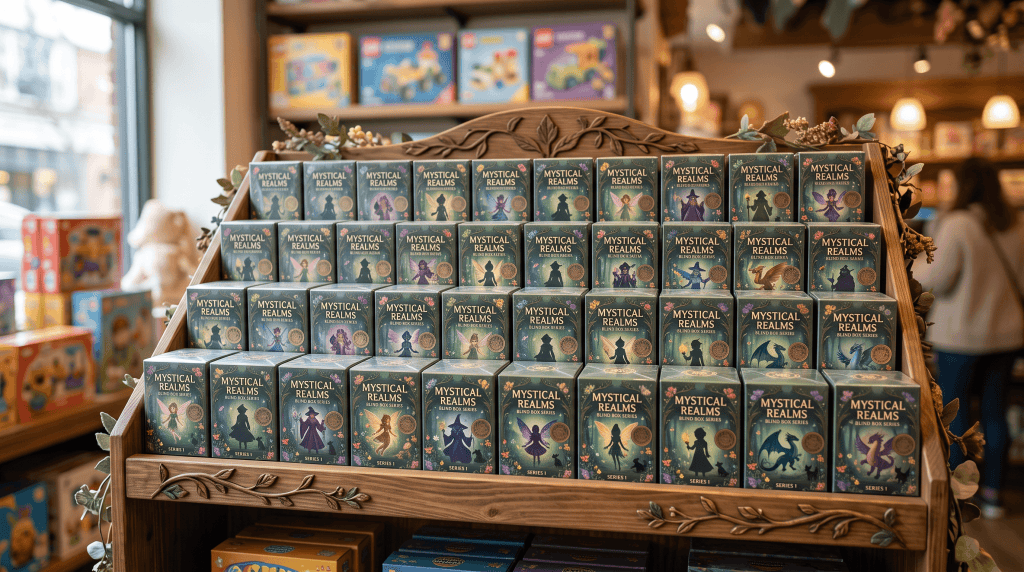
Fantasy blind boxes often rely on their packaging to trigger the first emotional sale. Even when the figure inside is the real collectible, the customer still judges the retail box. Crushed corners, torn shrink wrap, or dirty outer cartons erode giftability and buyer confidence.
Before committing to a larger order, ask practical packaging questions:
- Are individual blind boxes sealed?
- Are inner boxes packed tightly enough to limit movement during transit?
- Is there an inner case or display carton?
- Are master cartons reinforced for international transport?
- Can product boxes be inspected without opening the mystery contents?
- What photos can be provided before shipment: retail box, inner case, outer carton, and carton label?
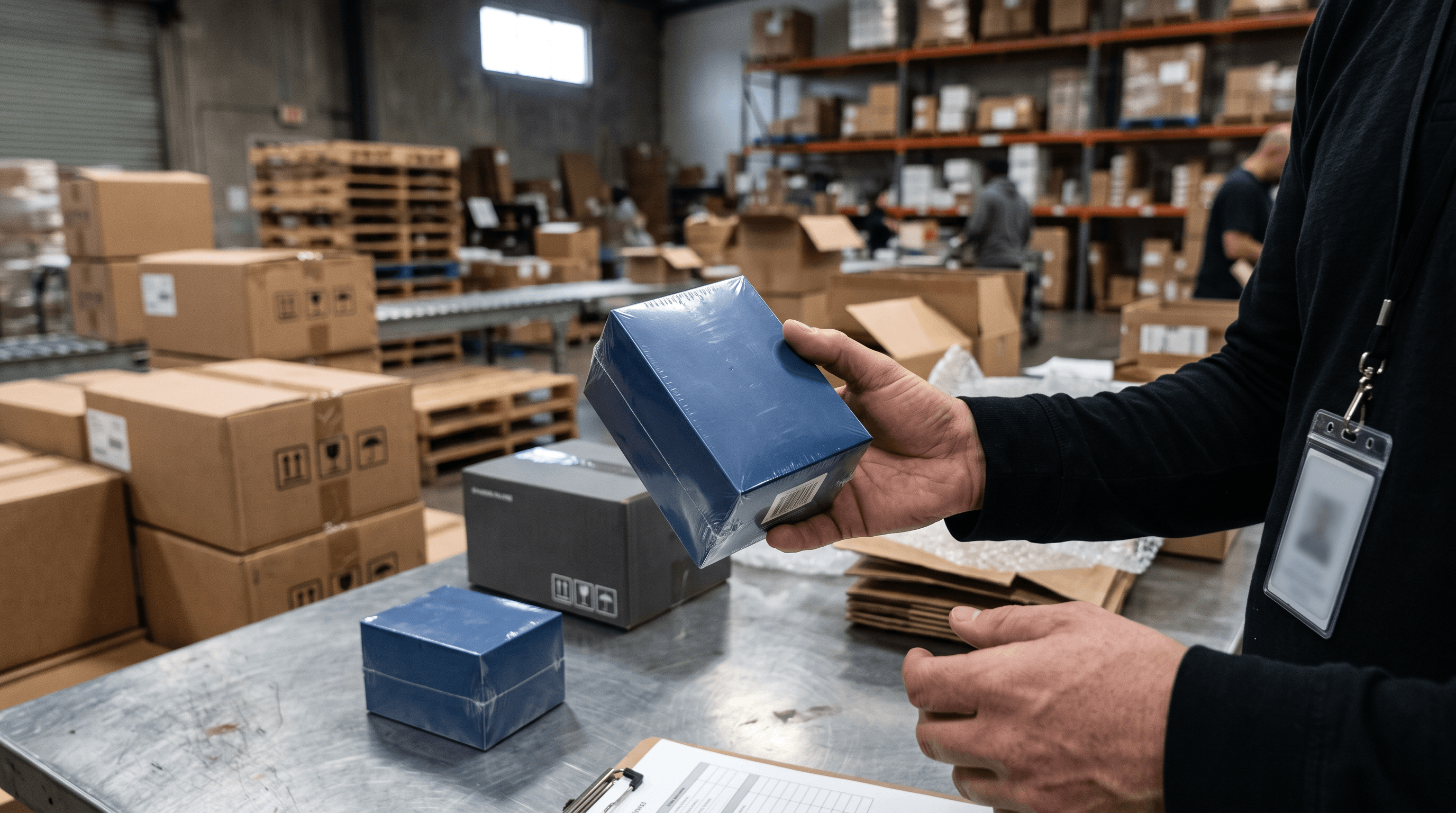
Set up a simple receiving process for quality checks. As an example, inspect the outer carton first, then pull a sample of retail boxes and check for crushed edges, stains, broken seals, and barcode or label consistency. If you sell through online marketplaces, document packaging condition with photos before listing or dispatching customer orders.
Handle compliance with the same care. Confirm age grading, small-parts warnings, labeling language, importer obligations, and any local toy safety rules for the destination market. Do not assume a product cleared for one market automatically meets the requirements of another.
When a Fantasy Series Turns Trend-Driven, Timing Wins
Blind box demand can spike fast, especially when a character aesthetic catches on through social media or collector communities. If the Into Neverland theme starts drawing attention, you want a reorder plan in place before the first batch sells out.
Split your timing into three parts:
- Supplier preparation time: the period before goods are ready to ship, if applicable.
- Transit time: the shipping window from origin to destination.
- Receiving and listing time: the days needed to inspect, label, photograph, and place inventory on shelves or online.
Ask the supplier whether the quoted timing covers only dispatch preparation or the full delivery estimate. Also ask whether the same assortment will be available for reorder or whether future availability may change. For online sellers, building product pages, ads, and customer waitlists without knowing whether replenishment is realistic is a real risk.
A simple reorder rule helps. As a planning reference, review sales velocity after the first week or the first two weekends, then compare remaining stock against the estimated replenishment window. If sales run faster than expected, contact the supplier well before the display is nearly empty.
Red Flags When Buying Into Neverland or Similar Character Series
Most sourcing problems surface before payment if you know what to look for. A fantasy blind box series is especially vulnerable to mismatched photos, unclear edition names, and packaging-condition disputes.
Watch for these warning signs:
- Only lifestyle images, no actual box photos: ask for the retail box, side panel, and carton photos.
- Unclear series name: confirm the quoted item is Pitenaught Into Neverland and not a look-alike fantasy design.
- No case or carton information: missing dimensions make landed cost and damage risk hard to estimate.
- Vague condition wording: ask whether boxes are sealed, new, unsearched, and fit for retail sale.
- Давление с целью получения оплаты до утверждения технических условий: slow down and request written details.
- Unrealistic promises: be cautious with guaranteed sell-through, guaranteed rare figures, or other unsupported claims.
- No compliance discussion: you still need to confirm destination-market rules, especially for toys and collectibles.
Stocking multiple character moods reduces dependence on any single release. A whimsical fantasy line can sit beside a grumpy or expressive character concept, such as the products discussed in the grumpy-character Sleepless Grumpipi guide, giving customers more choice without making every item feel identical.
Inquiry Template for a Pitenaught Into Neverland Quote
Use a structured inquiry so suppliers answer with comparable information. Edit the wording to match your company, destination market, and preferred order size.
Hello, I am interested in sourcing the Pitenaught Into Neverland blind box series for retail resale. Please confirm the following details:
1. Exact product name, series name, and available product photos.
2. Number of designs in the series and whether there are hidden or special figures.
3. MOQ, case quantity, and master carton quantity.
4. Whether boxes are new, sealed, and unsearched.
5. Carton dimensions, gross weight, and packing method.
6. Quote currency, unit basis, and any quantity price tiers if available.
7. Shipping options to my destination and what trade terms are included.
8. Estimated preparation time and whether future reorder is possible.
9. Retail box labeling, age information, warning labels, and any documents available for buyer review.
10. Policy for visible carton damage or product box damage on arrival.My destination country is [country], and my expected first order is [quantity or case count for quotation]. Thank you.
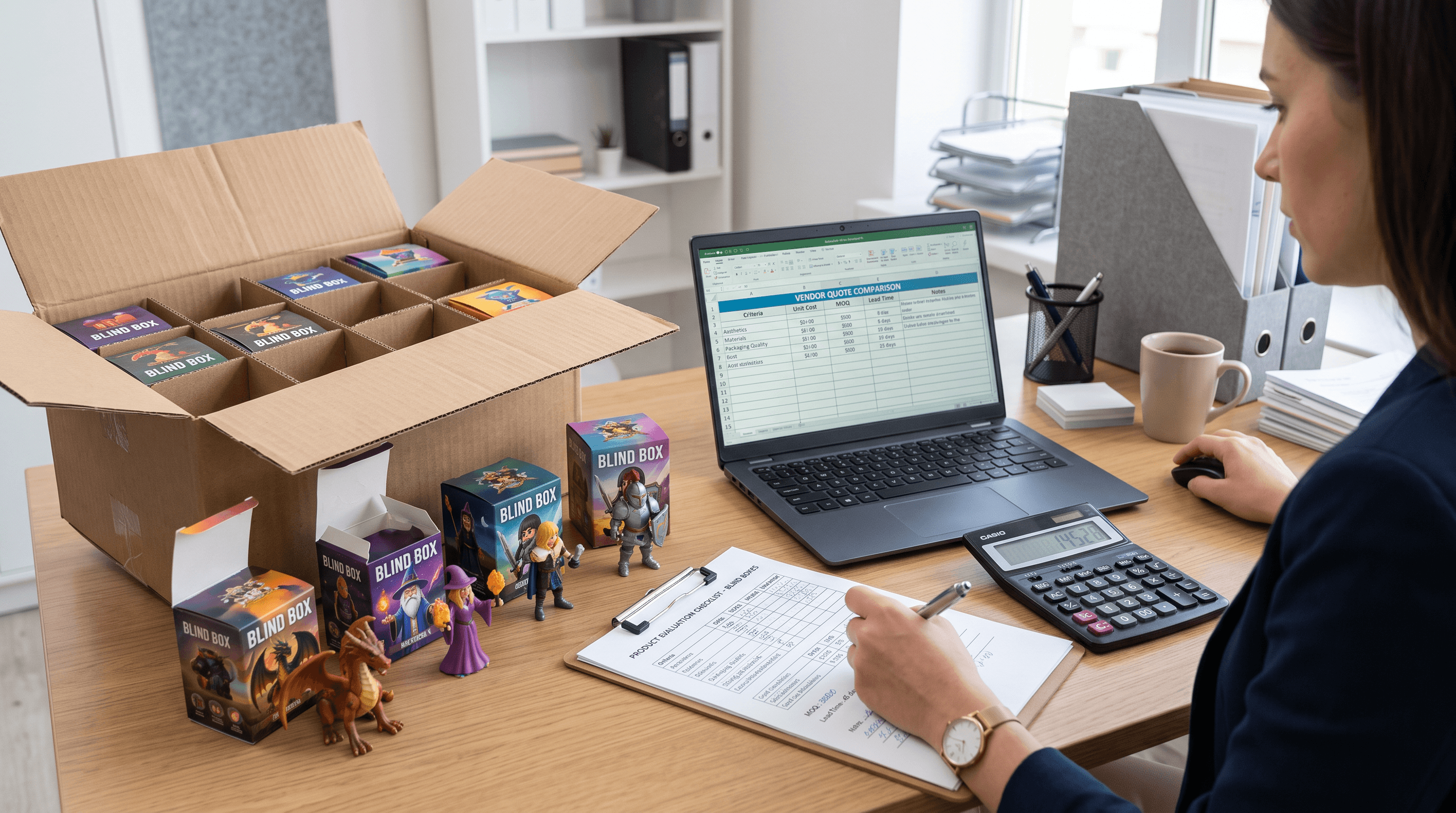
Before you pay, lock down the paperwork: request a written quote with product photos, case information, carton measurements, shipping terms, and packaging-condition details. That written record makes suppliers easy to compare and protects your purchasing decision if anything arrives differently than described.
If your store also carries art-doll or fantasy doll formats, weigh those categories before finalizing the assortment. The fantasy-doll Lunar Lore BJD guide is a useful comparison for buyers deciding between small character figures and doll-inspired fantasy collectibles.
ЧАСТО ЗАДАВАЕМЫЕ ВОПРОСЫ
What should buyers confirm before ordering a Pitenaught blind box?
Buyers should confirm the exact series name, character lineup, case quantity, sealed condition, carton dimensions, shipping terms, packaging condition, and any labeling or compliance details needed for the destination market.
Is a fantasy character blind box better for gift shops or collectible stores?
It can work for both, but the buying logic is different. Gift shops should focus on packaging appeal and easy theme recognition, while collectible stores should evaluate assortment depth, repeat purchase potential, and compatibility with existing character lines.
How can retailers reduce duplicate or slow-moving blind box risk?
Retailers can start with a test quantity, compare multiple themed series, track early sell-through, and reorder only after reviewing customer response. They should also ask whether cases are sealed and how the assortment is structured.
Why is landed cost important for Into Neverland blind boxes?
Landed cost includes more than the item price. Carton size, freight method, duties, receiving labor, packaging damage, and marketplace costs can affect final margin, so buyers should request carton dimensions and shipping terms before comparing quotes.
What are common red flags when sourcing blind boxes?
Common red flags include unclear product photos, missing case information, vague sealed-condition claims, pressure to pay before specifications are confirmed, unrealistic sell-through promises, and no discussion of destination-market labeling or compliance requirements.
Before You Place the First Into Neverland Order
Treat a Pitenaught Into Neverland purchase as a retail inventory decision, not just a visual product choice. Confirm the assortment, packaging, case structure, landed cost, and reorder path before scaling up.
For a first purchase, keep the process simple: compare similar fantasy character lines, request the same quote details from each supplier, document packaging expectations, and track sell-through after launch. That approach gives you a clearer basis for reorders and reduces the chance of tying up cash in the wrong blind box assortment.