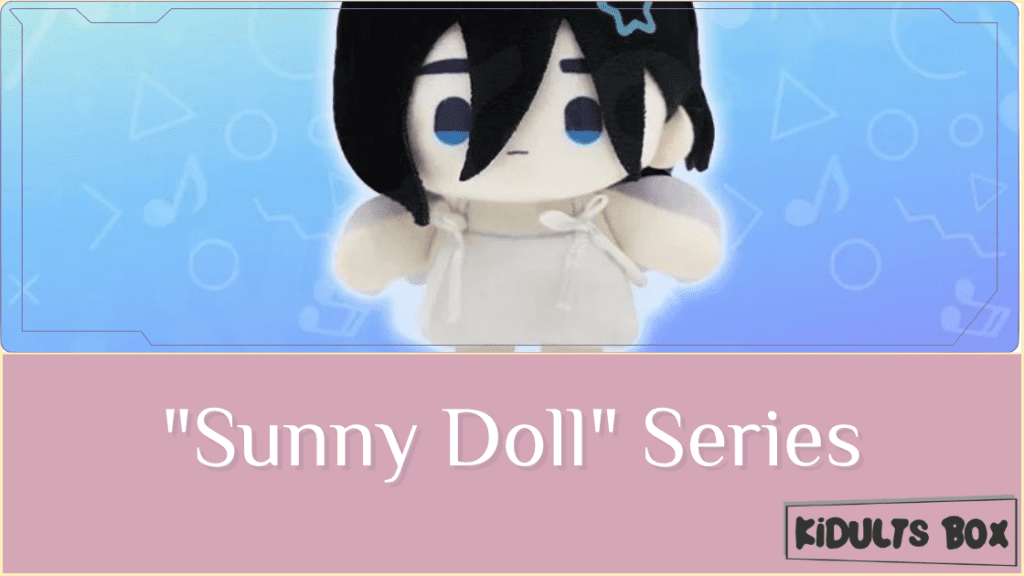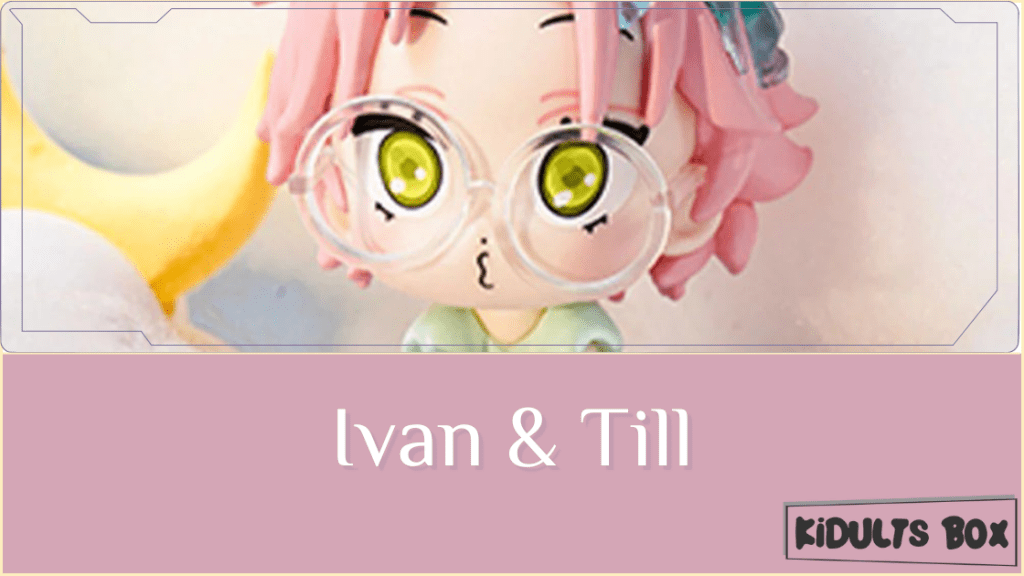





Product photos can win a second look, but they will not tell a retailer whether a collectible fits the store, arrives in saleable condition, or produces a workable landed cost. Buyers evaluating an Alien Stage blind box, including the Rabbit Little Cute Radish series, should first pin down the product format, assortment structure, packaging, case configuration, and commercial terms.
This guide focuses on those purchasing decisions without assuming unconfirmed details about materials, character count, hidden editions, licensing, minimum order quantity, or availability. Treat the product name as the starting point for an inquiry rather than a complete specification.
Where the Rabbit Little Cute Radish Concept May Fit at Retail
The series name suggests a character-led collectible with rabbit and radish themes, but buyers should request current product images and a written specification before deciding how to merchandise it. The likely fit depends on the confirmed size, material, price tier, and packaging format.
- Designer-toy and collectible stores: Ask whether the series complements the visual style and price ladder of existing blind boxes.
- Anime or fandom retailers: Verify the relationship to Alien Stage and request documentation supporting any branded or licensed product claims.
- Gift shops: Confirm whether the box is gift-ready and whether the product can be understood by shoppers unfamiliar with the source theme.
- ผู้ขายออนไลน์: Request clear images of each regular design, the sealed box, and the outer case so listings accurately represent what customers receive.
- Pop-up and event sellers: Check case portability, display footprint, and whether individual boxes can be sold without damaging the remaining assortment.
Retailers comparing this item with other character-led products can use the evaluation approach in the Little Monster Cupa buyer guide to assess audience fit without assuming two series share the same specifications.
What to Confirm About the Alien Stage Blind Box Before Quoting
A usable quotation needs more than a product name and unit price. Ask the supplier to identify the exact edition or SKU and provide dated images or a current specification sheet. This helps prevent a quote for a different release, package version, or product format.
| รายการที่ต้องตรวจสอบ | คำถามสำหรับผู้จัดหา | ทำไมมันถึงส่งผลต่อลำดับ |
|---|---|---|
| Product format | Is the item a figure, plush item, charm, or another collectible? | Changes display, freight, customer expectations, and quality checks. |
| Material and dimensions | What are the product and retail-box materials, dimensions, and weights? | Needed for shelf planning and freight estimates. |
| รายชื่อซีรีส์ | How many regular designs are shown in the current series? | Helps retailers explain assortment possibilities without promising outcomes. |
| Special designs | Are hidden or special editions included, and how is any stated ratio defined? | A ratio is not necessarily a guarantee for each case. |
| การจัดวางเคส | How many individual boxes are packed in an inner display and master carton? | Determines buying increments and receiving workload. |
| วิธีการจัดกลุ่มสินค้า | Is the offer for sealed series sets, sealed random cases, or mixed loose boxes? | These formats create different duplication and customer-trust risks. |
| Packaging condition | Are retail boxes supplied sealed, and what outer-carton protection is used? | Collectors may treat crushed or opened packaging as damaged stock. |
| Product status | What documentation supports authenticity and any licensing claim? | Buyers should not rely on photos or listing titles alone. |
| Market requirements | Which labels, warnings, age grading, or documents accompany the goods? | Requirements vary by product type and destination market. |
Do not copy an unverified hidden-edition ratio, age recommendation, material claim, or license statement into a retail listing. Ask for the exact wording and documents applicable to the quoted goods.

How Sealed Cases Change Assortment and Inventory Risk
“One case” is not a sufficient order description. A case may refer to a sealed display, a master carton containing several displays, or a seller-created group of loose boxes. Put the packaging level and quantity in writing.
A sealed series set may reduce uncertainty about the regular lineup if the supplier explicitly confirms its configuration, while mixed loose stock may create more duplicates or an unclear assortment. The practical differences are covered in this guide to ชุดซีรีส์ที่ปิดผนึก เทียบกับชุดสินค้าแบบสุ่มในกล่องปิด.
Use a simple test-order plan rather than ordering only by unit count. For example, a retailer may allocate one portion for the sales floor, one for online orders, and a small reserve for replacements. This is planning logic, not a recommended quantity; the right allocation depends on case size, demand, and damage policy.
- Confirm whether the MOQ applies per SKU, per display, per master carton, or across an order.
- Ask whether opening a master carton changes the unit price or assortment status.
- Document whether individual boxes have identifying marks that could compromise the blind purchase experience.
- Calculate how many complete displays each location can use before increasing the order.
If the case structure is still unclear, request a packing diagram or photographs of one retail box, one sealed display, and one master carton. A supplier response that clearly separates those levels is much easier to evaluate.
Build the Rabbit Radish Landed Cost Beyond Unit Price
The lowest quoted unit price may not create the lowest retail cost. Compare each offer using the same quantity, trade terms, packaging level, currency, and shipping basis. If one supplier quotes loose boxes and another quotes protected sealed displays, the two prices are not directly comparable.
A practical landed-cost worksheet should include:
- product cost at the quoted order quantity;
- sample or pre-order verification costs, where applicable;
- export packing and any extra corner or moisture protection;
- origin transport and documentation charges;
- international freight and insurance arrangements;
- destination duties, taxes, brokerage, and local delivery;
- payment or currency-conversion costs;
- a buyer-defined allowance for damage, shortage, or unsaleable packaging.
For an example comparison, divide the total estimated landed amount by the number of saleable units—not merely the number shipped. If 120 units are ordered for planning purposes, test the result again with a small damage allowance. This sensitivity check shows whether the retail plan depends on every box arriving perfectly.
Buyers deciding whether a compact collectible belongs in a broader gift assortment may also compare the merchandising logic in blind box fridge magnets versus bag charms. The product formats differ, but the shelf-space and add-on purchase questions are relevant.
Before approving a quotation, ask each supplier to complete the same landed-cost inputs and packing details you use for every competing offer. Consistent inputs expose apparent savings caused by missing charges or weaker packaging.
Protect Collectible Packaging During Inspection and Transit
For blind boxes, packaging is part of the saleable product. A sound item inside a crushed, punctured, wet, faded, or previously opened box may still be difficult to sell at full retail value. Agree on condition standards before dispatch rather than debating them after delivery.

Ask for pre-shipment images showing sealed retail boxes, display trays, carton interiors, carton exteriors, and shipping marks. Images do not replace an inspection, but they can reveal mismatched packaging versions or inadequate carton fill.
- Identity check: Match the SKU, edition, package artwork, and ordered quantity to the purchase order.
- Seal check: Review a buyer-defined sample across multiple carton positions for opened, resealed, or crushed boxes.
- Product check: Where inspection terms permit opening samples, examine finish, assembly, odor, loose components, and obvious damage.
- Count check: Reconcile units per display and displays per master carton.
- Carton check: Look for excessive void space, moisture exposure, weak corners, or movement inside the carton.
Compliance should be handled separately from visual quality. Buyers should verify labeling, age grading, warnings, material restrictions, testing, intellectual-property status, customs classification, and import requirements for the destination market. Do not assume a document prepared for one country is sufficient for another.
For another example of questions used when sourcing a recognizable entertainment property, review the Disney Princess blind box retail sourcing guide. Verification standards should still be adapted to the actual product and market.
Set Reorder Triggers Before the First Alien Stage Delivery
Lead time is not just the stated production or dispatch period. Ask the supplier to separate order confirmation, payment processing, product preparation, inspection, export handling, international transit, customs clearance, and final delivery. Also ask which stages are estimates and which begin only after an approval or payment event.
Create a reorder trigger based on stock cover rather than waiting until the last display is opened. As a planning example, a retailer may review sales weekly and trigger a quote update when remaining stock approaches expected demand during the full replenishment window plus a safety allowance. The threshold should be recalculated if sales accelerate or freight conditions change.
Watch for these purchasing red flags:
- the quote omits the edition, SKU, quantity basis, or case configuration;
- the seller will not clarify whether stock is sealed or mixed;
- product photos and packaging photos appear to show different releases;
- a hidden-design outcome is presented as guaranteed without written terms;
- the supplier makes licensing or compliance claims but will not identify supporting documents;
- the payment recipient, invoice entity, and quoted supplier identity do not align;
- the dispatch statement excludes preparation, inspection, or export-handling time.
Send a Quote Request That Identifies the Exact Series
A structured inquiry reduces follow-up messages and makes supplier responses easier to compare. Buyers can adapt the following template without filling missing fields with assumptions.
Product: Alien Stage Rabbit Little Cute Radish blind box; please confirm the exact edition and SKU.
Order format: Please quote sealed display quantities and master-carton quantities separately, and state the MOQ for each.
Specifications: Provide the product format, materials, dimensions, unit weight, series lineup, and current packaging images.
Assortment: Explain whether each option is a sealed series set, sealed random case, or mixed assortment. Clarify any special-edition statement without presenting it as a per-case guarantee unless contractually confirmed.
Pricing: State the currency, price basis, included packing, trade term, quotation validity, and payment terms.
Packing: List units per display, displays per master carton, carton dimensions, gross weight, and protective packing.
Timing: Separate preparation or production time from estimated shipping time and identify the event that starts each period.
Verification: Identify available authenticity, licensing, labeling, testing, or compliance documents relevant to the quoted goods. The buyer will verify destination-market requirements independently.
Quality process: Confirm whether pre-shipment photos, buyer inspection, and a written shortage or damage procedure can be agreed before payment.
Send this checklist with your intended destination, sales channel, and preferred order format when requesting a quote. Then compare only the responses that identify the same edition, quantity level, packaging configuration, and shipping basis—that is the fastest way to see which supplier is genuinely competitive.
คำถามที่พบบ่อย
What should buyers confirm first about the Alien Stage Rabbit Little Cute Radish blind box?
Confirm the exact edition or SKU, product format, materials, dimensions, lineup, retail packaging, and case configuration. The product name alone is not enough to compare quotations.
Is a sealed case the same as a complete set?
Not necessarily. A sealed case may be random, while a complete set may be described as containing the regular lineup. Ask the supplier to define the assortment in writing and clarify whether any special design is guaranteed.
How should retailers compare wholesale prices?
Compare the same SKU, quantity, packaging level, currency, trade term, and shipping basis. Add freight, duties, taxes, local delivery, payment costs, and a reasonable buyer-defined damage allowance to estimate landed cost.
Which packaging defects matter for blind box retail?
Crushing, punctures, moisture, fading, broken seals, residue, and mismatched package versions can reduce saleability. Define acceptable retail-box and master-carton condition before shipment.
What compliance documents should a buyer request?
Request documents supporting relevant labeling, age grading, material, testing, authenticity, and licensing claims. Buyers should independently verify which safety, customs, intellectual-property, and import requirements apply in the destination market.
Before Ordering the Rabbit Little Cute Radish Series
A good buying decision depends on verified details rather than character appeal alone. Confirm the edition, assortment method, case quantity, packaging protection, landed-cost inputs, timing, and applicable documentation before committing funds. A precise purchase order and inspection agreement will also make the eventual delivery easier to receive, evaluate, and merchandise.