



In the art toy retail sector, short-form video is the most efficient tool to lower your Customer Acquisition Cost (CAC). However, a common operational trap for independent retailers is chasing “vanity metrics”—achieving two million global views on a video that generates zero local foot traffic and zero register sales. To drive actual revenue, store owners must stop treating all short-form platforms equally.
Based on digital marketing and POS conversion data, YouTube Shorts and Instagram Reels operate on fundamentally different algorithms that serve entirely different retail objectives. In this guide, we will break down the algorithmic intent behind both platforms, explain why Instagram is your local foot traffic engine while YouTube is your global e-commerce liquidator, and outline a streamlined Standard Operating Procedure (SOP) for your retail staff.
The Algorithmic Divide: Social Graph vs. Search Graph
To allocate your staff’s content creation time profitably, you must understand how these platforms distribute videos.
Instagram Reels (The Social Graph): Meta’s algorithm is heavily indexed on social proximity and geography. It prioritizes pushing content to users who share mutual followers or reside in the same city as the creator. The lifespan of an IG Reel is short—typically 48 to 72 hours—before it is buried by new content.
YouTube Shorts (The Search Graph): Alphabet (Google) owns YouTube, making it the world’s second-largest search engine. YouTube Shorts are categorized by search intent. If a collector searches “How heavy is a Skullpanda chase box” six months from now, your Short can still surface. The lifespan of a YouTube Short is “evergreen,” meaning it can generate traffic for years.
Instagram Reels: The Local Foot Traffic Engine
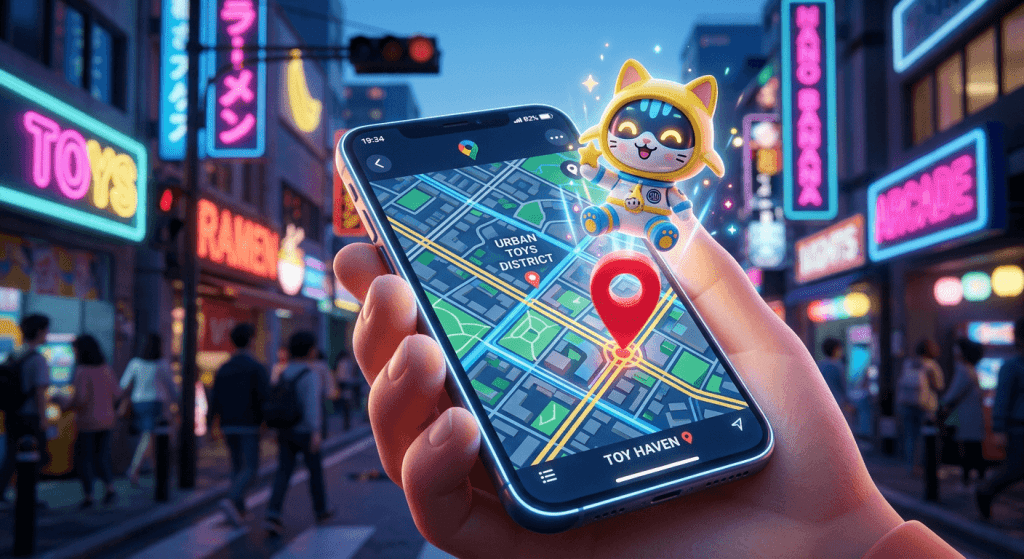
If your primary business model is a brick-and-mortar storefront or a Rent-a-Shelf micro-retail location, Instagram Reels must be your primary focus. IG is designed to convert local lurkers into immediate walk-in customers.
Retail Strategies for IG Reels:
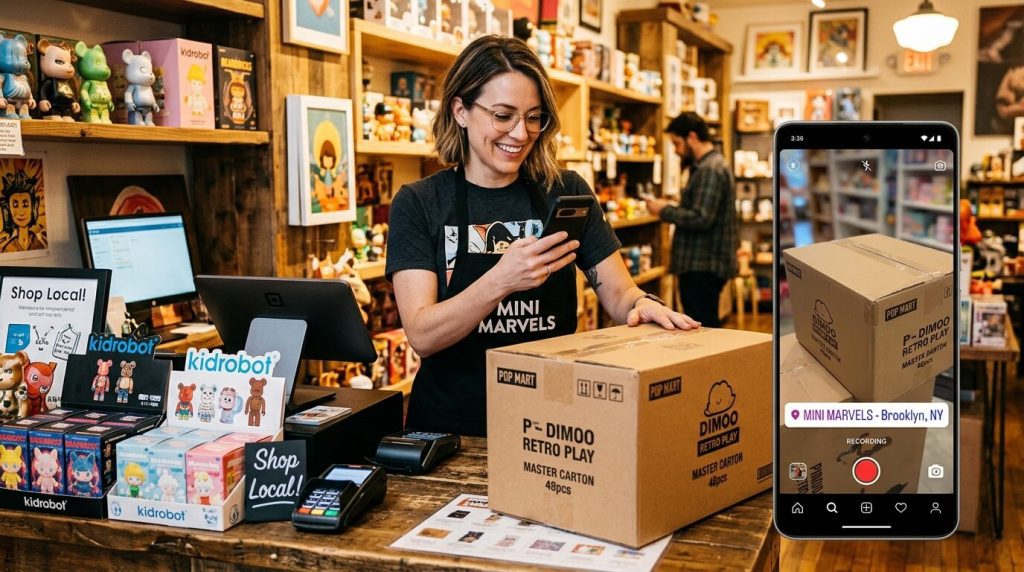
- Geo-Tagging High-Profile Drops: When you receive a highly anticipated master carton from your wholesale supplier, film a quick Reel of the pallet arriving. Always use the specific city/neighborhood location tag. This alerts the local algorithm and drives immediate weekend foot traffic, supporting your FOMO crowd control strategies.
- Showcasing UGC and the Unboxing Station: IG is the perfect platform to repost videos of your local customers pulling chase figures at your in-store unboxing station. This provides localized social proof that your inventory is authentic and unsearched.
- Feeding the VIP CRM: Use IG Reels to tease member-only sales, directing viewers to the link in your bio to join your private Discord community or CRM newsletter.
YouTube Shorts: The E-commerce & Liquidation Funnel
If you operate a Shopify store alongside your physical location, YouTube Shorts is your most powerful tool for global e-commerce and inventory management. Because Shorts rank in Google Search results, they capture high-intent buyers rather than casual local scrollers.
Retail Strategies for YouTube Shorts:
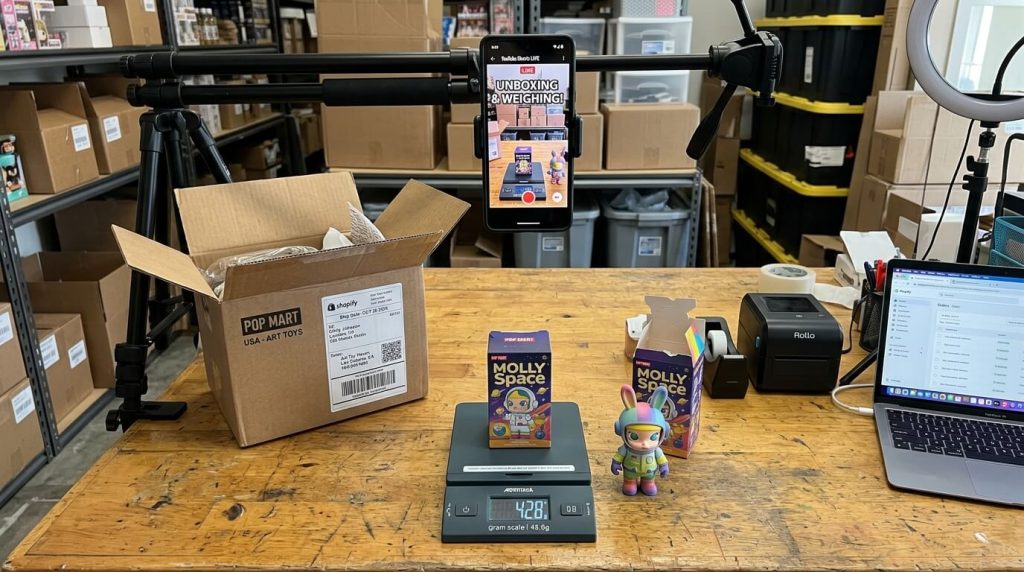
- Educational Content (Box Weight & Hacks): Hardcore collectors search YouTube for “box weights” or “shake techniques” to find rare figures. Filming a Short demonstrating the exact weight of a new blind box series captures this search traffic. While you should never allow weighing in your physical store, posting this data online drives massive clicks to your e-commerce links.
- Liquidating Dead Stock via ASMR: If you are sitting on 50 units of aging inventory, do not rely on local walk-ins to clear it. Film a silent ASMR packing video putting those clearance boxes into a “Lucky Bag” and post it to YouTube Shorts with a direct link to your Shopify. YouTube’s global reach is the most effective method for liquidating dead stock to a worldwide audience without cheapening your local boutique’s brand.
The Cross-Posting SOP: Efficiency for Store Managers
Retail managers do not have the time to produce completely different videos for every platform. To maintain retail efficiency, you must execute a “Shoot Once, Edit Natively” Standard Operating Procedure.
- Shoot Raw: Have staff film unboxing content using a standard smartphone camera app. Do not shoot directly inside the Instagram or YouTube apps.
- No Watermarks: The algorithms actively penalize and shadow-ban videos that contain watermarks from rival platforms (e.g., uploading a TikTok-watermarked video to IG Reels will throttle your reach to zero).
- Native Optimization: Upload the raw video to Instagram and add a trending local audio track and a location tag. Upload that same raw video to YouTube Shorts, but focus entirely on SEO-heavy titles and detailed descriptions filled with keywords (e.g., “Pop Mart Hirono V6 Full Case Unboxing – 2025”).
Platform ROI and Retail Objective Matrix
Use this matrix to train your marketing staff on where to deploy specific types of video content for maximum financial return.
| Social Platform | Algorithm Driver | Primary Retail Objective | Ideal Video Content |
|---|---|---|---|
| Instagram Reels | Social Proximity & Geo-location | Drive immediate local foot traffic & CRM sign-ups. | New shipment arrivals, store walk-throughs, local customer UGC. |
| YouTube Shorts | Search Intent & Evergreen Value | Drive global e-commerce sales & liquidate dead stock. | Educational (box weights, series reviews), ASMR lucky bag packing. |
| TikTok | Viral Entertainment graph | Mass brand awareness (Low immediate local conversion). | Trend-jacking, comedic retail skits, pure ASMR unboxings. |
คำถามที่พบบ่อย (FAQ)
Should I pay to “Boost” my Instagram Reels?
Generally, boosting a standard unboxing video yields a poor Return on Ad Spend (ROAS). However, if you are announcing a highly limited restock of a rare series and want to ensure your existing followers actually see it, dropping $10 to $20 on a localized boost (targeting only a 5-mile radius around your store) is a highly efficient way to guarantee a weekend sell-out.
Do I need a link-in-bio tool?
Yes. Neither Instagram Reels nor TikTok allows clickable links in the video caption. Using a tool like Linktree or Carrd in your bio is mandatory. Ensure the top link directs to your e-commerce shop, and the second link directs to your physical store’s Google Maps location to aid local SEO navigation.
Why are my YouTube Shorts getting views but no clicks to my website?
YouTube recently disabled clickable links in the comment sections of Shorts to combat spam. To drive traffic, you must use the “Related Video” feature in the YouTube Studio backend. Link your Short to a long-form video on your channel, and place your Shopify or wholesale catalog links in the description of that long-form video.
How does my wholesale sourcing affect my video performance?
The algorithm favors novelty. If you are waiting 40 days for ocean freight, by the time you post an unboxing video, the global trend has already passed, and your video will underperform. Utilizing a B2B supplier with US domestic inventory ensures you can secure, stock, and film the newest blind box series while search volume is still at its absolute peak.
Matching your content strategy to the correct platform algorithm is the key to turning social media views into actual retail revenue. If you are preparing your content calendar and need the latest, highly searchable blind box series to unbox on camera, reviewing our available B2B catalog is your first step.