



Attractive product photos are the weakest part of a wholesale decision. Assortment structure, case condition, product traceability, freight allocation, and the length of the selling window decide whether a character-figure order actually performs at retail. Treat a Pokémon Starry Dream Blind Box quote as an inventory proposal to be interrogated, not a unit price to be accepted.
This guide explains what to confirm before ordering, how to make competing quotes comparable, and how to plan a cautious opening allocation. Because specifications and wholesale terms can vary by version, supplier, and destination, ask for current written details rather than assuming that one online listing describes every available batch.
Which Retailers Can Use a Starry Dream Assortment?
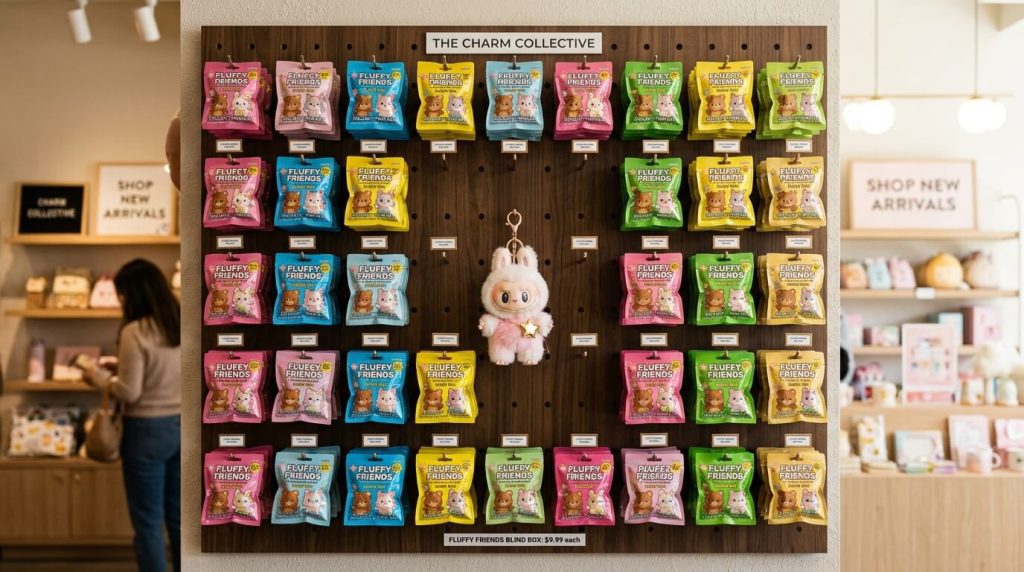
The series may suit several retail formats, but each buyer needs a different ordering plan. A specialist collectible shop can evaluate it as part of a character figure wall, while a gift retailer may position it around birthdays, impulse purchases, or themed gifting. Online sellers must pay closer attention to individual box condition because crushed corners are visible in listing photos and can trigger customer complaints.
- Collectible stores: Ask whether the assortment supports single-box sales, full-set sales, or both.
- Gift and lifestyle shops: Compare the package footprint with the shelf space assigned to other small gifts.
- Anime, gaming, and character retailers: Confirm product identity and distribution traceability before presenting the item as authorized merchandise.
- E-commerce sellers: Check whether individual boxes can be protected economically during parcel fulfillment.
- Multi-store operators: Plan how sealed cases will be divided without creating an uneven character mix at each branch.
Before adding a new figure series, compare it with the formats already competing for the same customer budget. Retailers weighing whether to diversify into lower-ticket accessories can also review this guide to fridge magnets versus bag charms.
How to Verify the Pokémon Starry Dream Blind Box Specification
A useful supplier reply should pin down the exact item being quoted. The name alone is not enough: packaging language, assortment composition, production batch, box dimensions, and sales unit all affect merchandising and import preparation.
| Detail to verify | Question for the supplier | Why it affects the order |
|---|---|---|
| Product identity | What exact series name, item reference, and version appear on the packaging? | Prevents quotes for similar-looking or differently packaged items from being compared as identical. |
| Sales unit | Is the quoted quantity one blind box, one display case, or one master carton? | Avoids major errors in unit-cost calculations. |
| Case composition | How many individual boxes are packed in a display case, and is the case factory sealed? | Determines shelf allocation and assortment confidence. |
| Design assortment | How many regular designs are listed, and is any special design possible but not assured? | Helps staff explain the series without promising a particular result. |
| Physical specification | Can you provide current dimensions, weight, materials, and clear photos of the item and package? | Supports shelving, parcel packing, and product-page preparation. |
| Batch information | Is the quote tied to a specific packaging version or production batch? | Reduces the risk of receiving a visually different version from the one approved. |
| Traceability | What invoices, supplier details, labels, or authorization-related records can accompany the goods? | Supports authenticity review and marketplace documentation. |
| Destination labeling | What language, age grading, warnings, importer fields, and product identifiers are printed? | Allows the buyer to review local labeling and sales requirements before dispatch. |
Save the supplier’s specification sheet, packaging photos, and quote under the same date or version number. If the supplier changes any detail later, request a revised confirmation rather than relying on an informal chat message.
Sealed Cases, MOQ, and the Risk of an Uneven Assortment
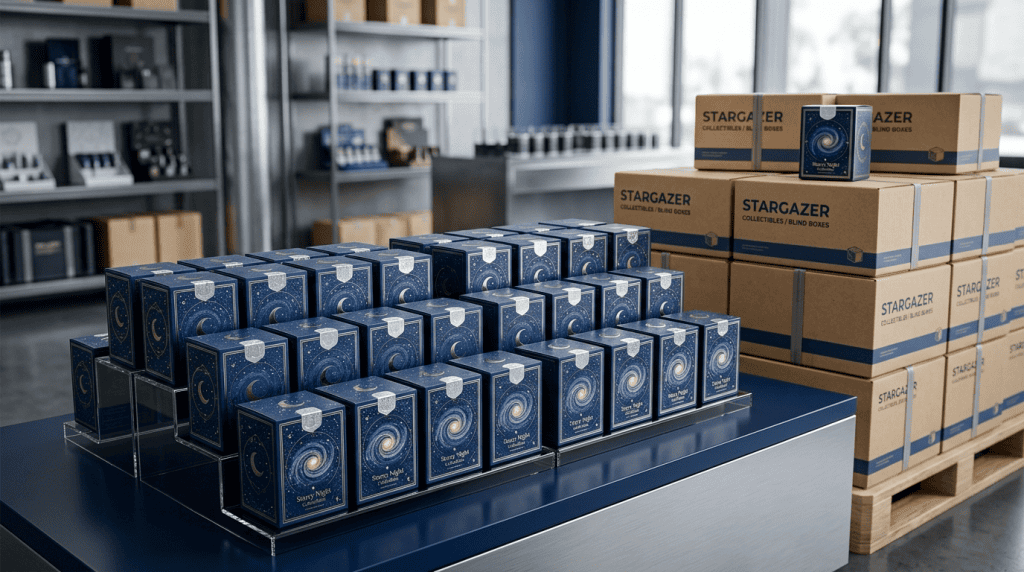
MOQ and case pack are not interchangeable. The MOQ is the minimum quantity a supplier will accept, while the case pack describes how units are physically grouped. A quote may also introduce an outer master carton containing multiple display cases. Ask for all three quantities in writing.
Sealed display cases can make inventory handling easier, but do not assume that every sealed case contains a complete set or a guaranteed special design. Request the published assortment logic and ask whether cases from the quoted batch are intended to contain non-duplicate regular designs. If full-set selling matters to your business model, clarify exactly what can and cannot be promised.
The distinction is covered in more depth in this comparison of sealed series sets and mixed blind box assortments.
Planning example: A retailer testing three branches may allocate one sealed display case to each location and hold one additional case centrally for online demand and replenishment. This is only an allocation method; the appropriate quantity depends on the confirmed case pack, sales history, cash budget, and supplier MOQ.
Ask whether sample units, one display case, and the commercial MOQ share the same specification and packaging. A sample from one version is not sufficient approval for a later batch with different labels or presentation.
Why the Lowest Unit Quote May Cost More at the Shelf
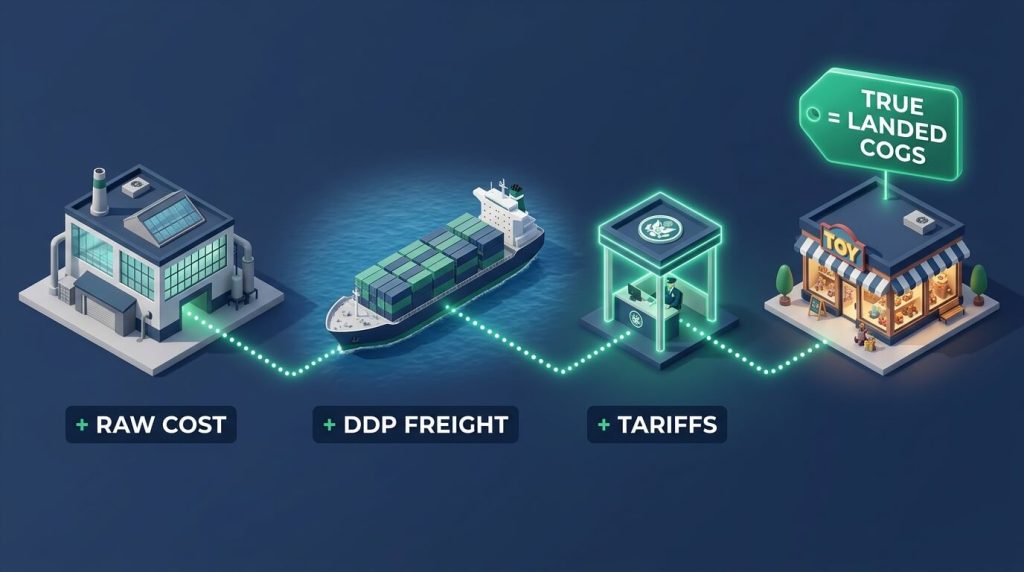
Compare landed cost per sellable unit, not the supplier’s headline unit price. The calculation should account for merchandise, freight, insurance when applicable, duties and taxes, customs or brokerage charges, payment costs, labeling work, local delivery, and a reasonable allowance for damaged or unsellable packaging.
Planning formula: Landed cost per sellable unit = total product and import-related cost divided by the estimated number of units that can be sold in acceptable condition.
Request quotes on the same basis. If one supplier quotes per blind box and another quotes per case, convert both to the same unit only after confirming case quantity. Also record the trade term, shipment origin, carton count, carton dimensions, gross weight, and quote validity. A freight-inclusive quote is not comparable until the included destination charges and exclusions are clear.
- Confirm whether sample charges are separate from the commercial order.
- Ask whether display cases and outer cartons are included in the quoted price.
- Calculate payment and currency-conversion costs rather than treating them as overhead with no product impact.
- Model a small damage allowance, but do not assume a supplier reimbursement policy unless it is written.
- Check whether the expected retail price still leaves room for promotions, marketplace fees, and fulfillment costs.
If you are comparing suppliers now, send each one the same specification checklist and quantity scenario. Standardized questions make price differences easier to explain and reduce the chance of selecting a cheaper but incomplete quotation.
Protecting Starry Dream Boxes from Shelf-Damaging Transit
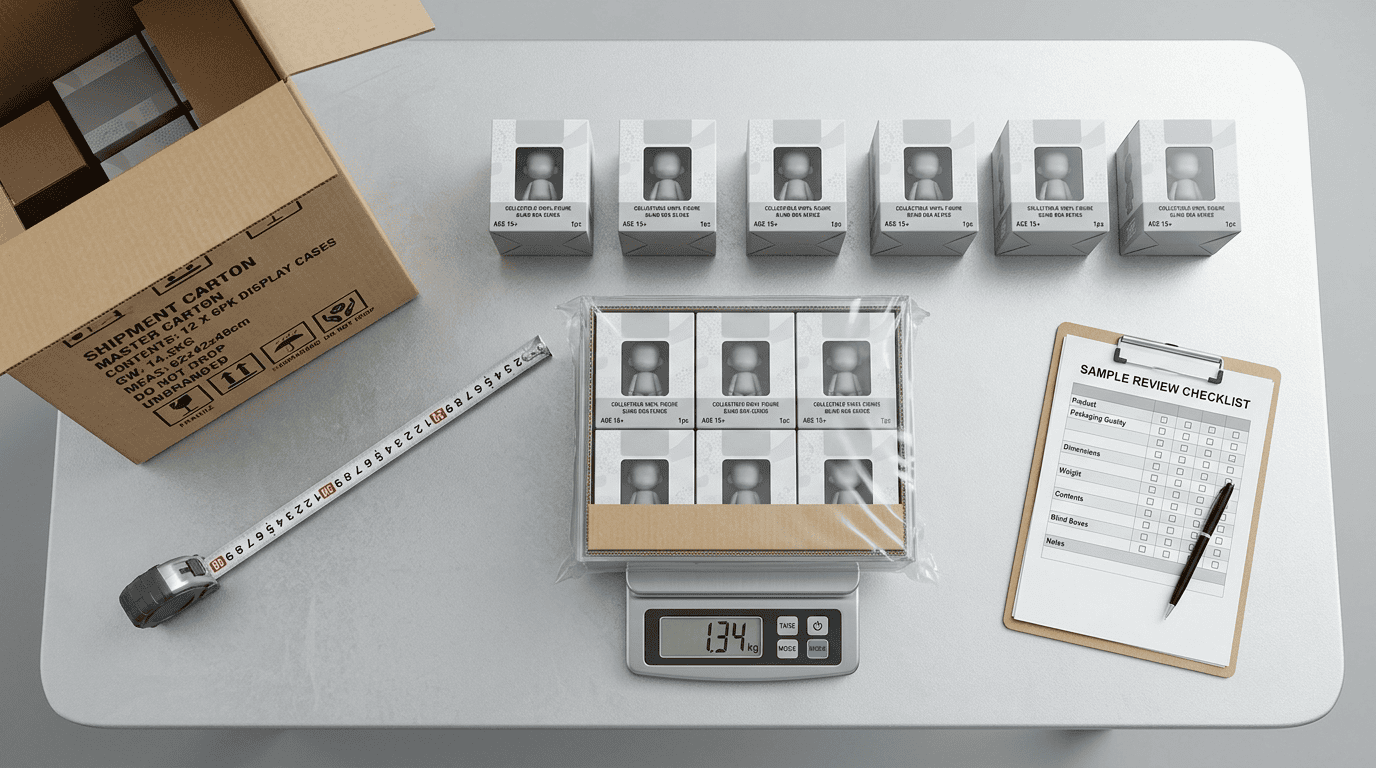
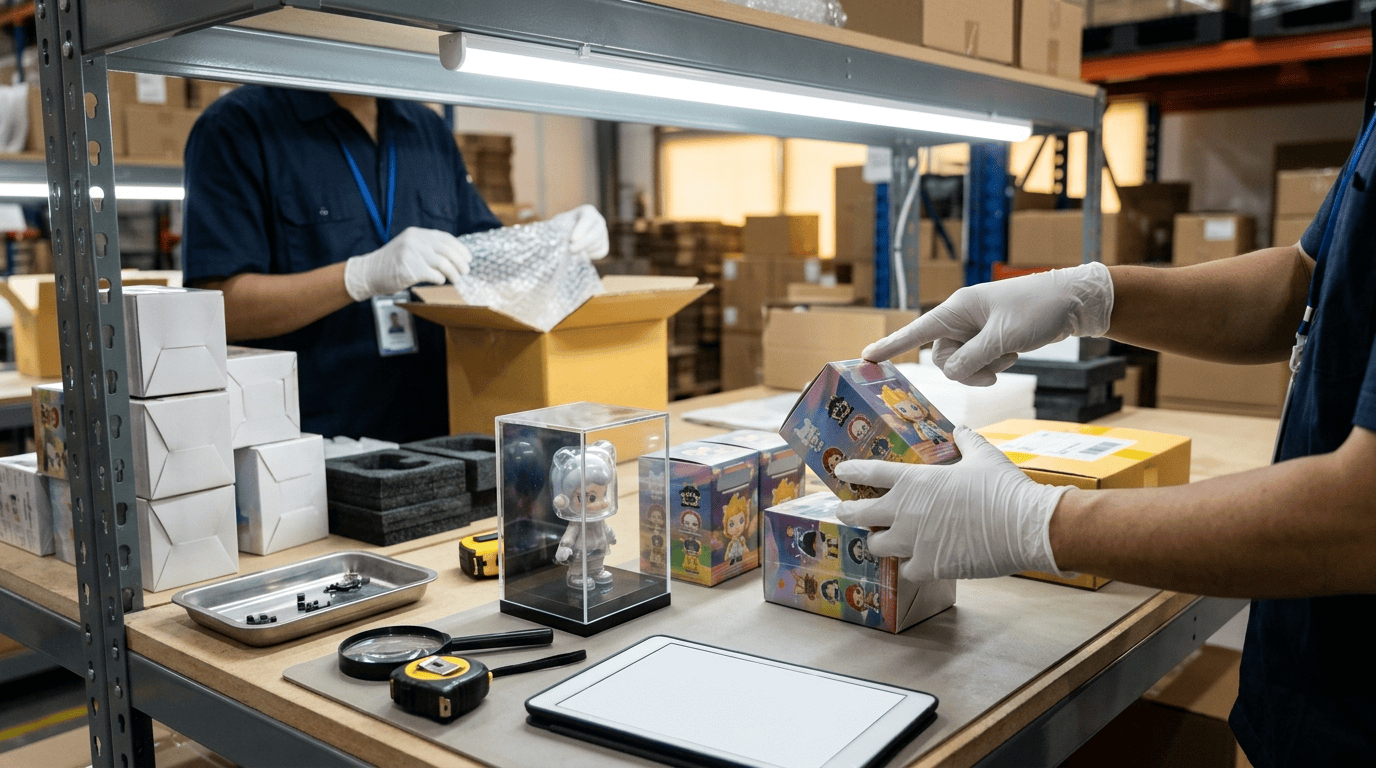
For collectible merchandise, the retail package is part of the product. A figure may be intact while a dented blind box, torn display case, or moisture-marked carton is difficult to sell at full price. Request recent photos showing an individual box, a sealed display case, internal carton arrangement, and the closed shipping carton.
Define an inspection sequence to run before shipment or on receipt:
- Match the series name, version, quantity, and carton markings to the purchase order.
- Check outer cartons for compression, punctures, moisture exposure, or resealing.
- Open a documented sample of cartons and count display cases and individual boxes.
- Review print alignment, seals, visible damage, labels, and consistency against the approved reference.
- Photograph exceptions by carton and retain packaging until any claim process is complete.
Check compliance separately from visual quality. Verify the destination market’s current rules for product safety, age grading, warnings, materials, importer identification, intellectual property, and online marketplace documentation. Ask what records are available, but do not treat a logo, packaging statement, or supplier assertion as a substitute for buyer-side verification.
Freight Timing and Reorders for a Character Collectible
Break lead time into stages: order confirmation, supplier preparation, any inspection, export handover, main transport, customs processing, and local delivery. Ask for estimated ranges and the point at which the goods are considered ready. Avoid treating an estimate as a guaranteed arrival date.
Blind box demand can be strongest soon after launch or renewed social interest, while international replenishment may arrive after that attention changes. Define a reorder trigger before the first shipment arrives.
Example reorder rule: Review sales weekly and prepare a replenishment decision when available stock falls to the quantity expected to sell during the estimated replenishment window, plus a buyer-defined buffer. Use actual sell-through after launch to replace the initial estimate.
Track performance by individual boxes, complete cases, store, and channel. If customers prefer sealed cases online but singles in stores, the next order should reflect that split. Keep some unopened cases only when doing so serves a defined sales or replenishment purpose; otherwise, excess sealed inventory still ties up cash.
Warning Signs in a Pokémon Merchandise Quote
Recognizable character merchandise demands careful document review. A low quote should not override unresolved questions about identity, source, condition, or permission to sell in the intended channel.
- The sales unit is unclear: The document says “one piece” without defining whether that means a box, case, or carton.
- Photos do not match: Packaging language, design, labels, or series naming changes across the supplied images.
- A special design is promised in every case: Request written assortment evidence rather than relying on an unsupported sales statement.
- Traceability questions are avoided: The seller will not identify the invoicing entity or provide available product records for review.
- Carton data is missing: Freight cannot be estimated responsibly without carton quantity, dimensions, and weight.
- Substitution is left open: The supplier reserves the ability to send another batch or version without buyer approval.
- Payment pressure appears before confirmation: Important specifications remain unanswered while immediate payment is requested.
A structured review process used for other figure lines can help. The Cupa blind box buyer guide shows another way to approach assortment and supplier questions from a retailer’s perspective.
Send a Quote Request That Produces Comparable Answers
Vague requests such as “send your best wholesale price” usually produce incomplete replies. Give the supplier a clear destination, quantity scenario, and required documentation. Adapt the following template without assuming that every option is available:
Please quote the Pokémon Starry Dream Blind Box for delivery to [city and country]. Confirm the exact version, price basis, MOQ, individual boxes per display case, display cases per master carton, and whether cases are sealed. Please provide current product and packaging photos, dimensions and weight, material information, assortment details, carton dimensions and gross weight, estimated preparation time, trade term, payment terms, quote validity, and available traceability or compliance-related documents. Please also state the process for approving substitutions and reporting transit damage.
Before paying, reconcile the quotation, pro forma invoice, specification sheet, and approved photos. The item name, quantity basis, version, consignee details, and shipping term should agree across documents. Record any accepted variation in writing.
Ready to evaluate an order? Prepare your destination, target quantity, preferred mix of single-box and sealed-case sales, required arrival window, and packaging expectations, then request an itemized quote. Do not approve the purchase until the supplier has answered the unresolved specification and traceability questions.
FAQ
What should a Pokémon Starry Dream Blind Box wholesale quote include?
It should identify the exact version, sales unit, MOQ, case pack, assortment information, packaging specification, carton data, preparation estimate, trade term, payment terms, quote validity, and available product records.
Does a sealed display case guarantee a complete set?
Not automatically. Buyers should request the series-specific assortment logic and written confirmation of what a sealed case is intended to contain, including any limitations concerning duplicates or special designs.
How should retailers calculate landed cost for blind boxes?
Add product cost and relevant freight, insurance, import, payment, labeling, handling, and local delivery expenses, then divide by the estimated number of sellable units.
What packaging photos should a buyer request?
Request clear images of the individual blind box, sealed display case, labels, case arrangement inside the shipping carton, outer-carton markings, and carton protection.
How can retailers reduce authenticity and IP risk?
Confirm the invoicing entity, product traceability, packaging consistency, and available authorization-related records, then verify the requirements of the destination market and intended sales channel.
Before You Commit to the First Order
The commercial decision depends on more than character appeal. Verify the exact Pokémon Starry Dream Blind Box version, understand the case structure, calculate cost per sellable unit, review packaging protection, and document the terms that affect delivery and resale. A smaller, well-specified test allocation can provide better planning data than a larger order built on unclear assumptions.