



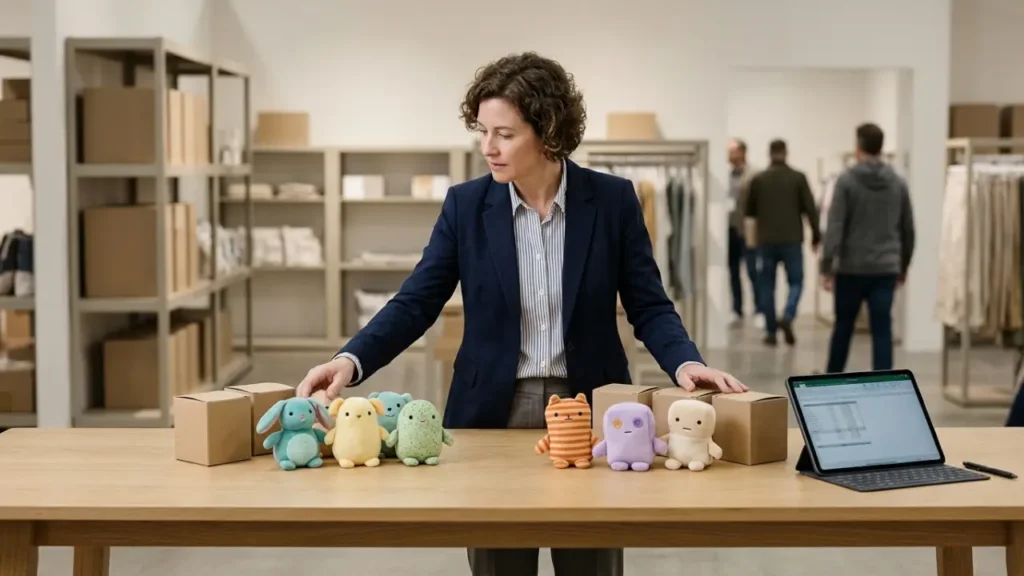
Committing shelf space and cash to a plush blind box line means betting on designs before you know which ones your customers will pick up. If you are weighing ShinWoo Bittersweet against Ragbear Clinic, the decision is not simply which looks more appealing: it is which one you can actually buy, display, and replenish on terms that work for your store.
A defensible recommendation needs confirmed specifications, physical samples, and current supplier quotes. This guide does not assume either line has a particular size, attachment, case arrangement, or availability. Instead, it shows exactly what to compare and how each finding should change your purchasing decision.
Where Would ShinWoo Bittersweet or Ragbear Clinic Fit in Your Store?
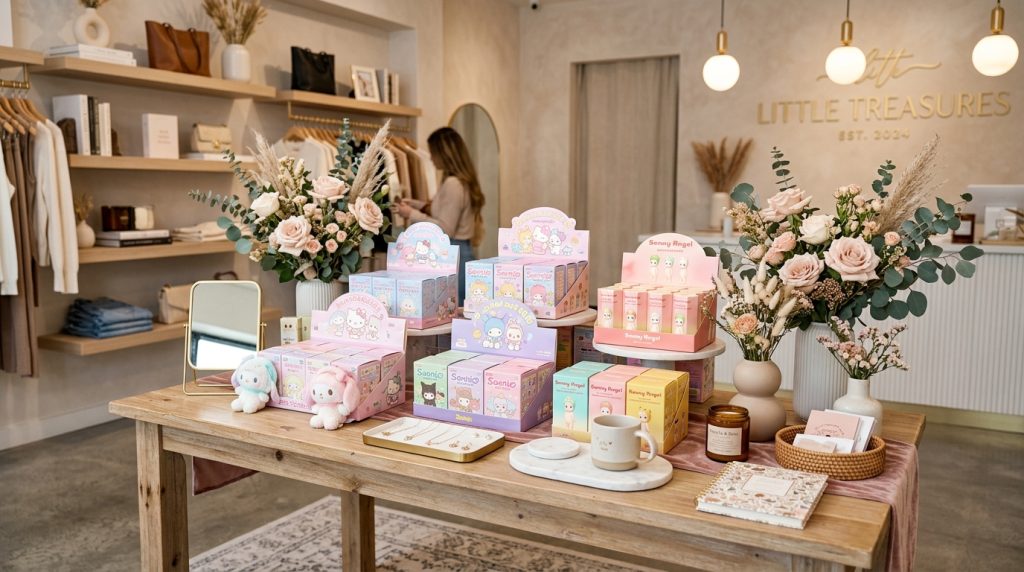
Start with the intended selling location, not the supplier’s assortment image. A checkout accessory rack, a gift shelf, and a collector display each need different product formats and packaging. Ask for current product photographs alongside dimensions before deciding either line fits your merchandising plan.
- Collectible specialists: Verify the official design lineup, any published assortment rules, and how clearly buyers can distinguish this release from other editions.
- Gift shops: Prioritize intact retail boxes, understandable product presentation, and packaging suitable for gifting without extra explanation.
- Accessory retailers: Confirm whether the quoted item actually includes an attachment such as a keyring or clasp. Do not infer pendant functionality from a styled photograph.
- Online sellers: Check whether you can describe dimensions, random selection, and included components accurately in the listing.
For a quick demand check, show equivalent official images of both lines to relevant customers or store staff. Record preference separately from willingness to buy at your intended retail price. Artwork interest alone is not enough to justify a deep opening order.
If the available purchasing terms exceed your test budget, the guide to blind box products for small stores with limited budgets offers a useful wider assortment-planning reference.
Compare the Quoted Items, Not Just the Series Names
A series name is not a complete specification. Ask each supplier to identify the exact edition, product code, format, and packaging configuration. Apply the same evidence standard to both lines; a detailed quote for one should never be compared against an attractive image and a single unit price for the other.
| Comparison point | Evidence to request for both lines | Purchasing consequence |
|---|---|---|
| Exact release | Product code, edition details, and matching retail-box photographs | Hold the order if images and quoted identifiers conflict. |
| Product format | Confirmation of plush construction, rigid components, and any attachment | Choose the format that fits your display and customer use case. |
| Dimensions | Product measurements and individual retail-box dimensions | Check shelf capacity and outbound parcel fit separately. |
| Design assortment | Official lineup and written explanation of random selection | Avoid promising designs or distributions that are not documented. |
| Order configuration | Individual boxes per display, displays per carton, and permitted order multiples | Calculate the smallest practical purchase, not just nominal MOQ. |
| Retail packaging | Photographs of seals, box panels, labels, and protective packing | Assess whether units can arrive ready for your sales channel. |
| Quality reference | A representative sample tied to the quoted release | Compare seams, finishing, components, and presentation consistently. |
| Supply evidence | Availability status, dispatch assumptions, and reorder conditions in writing | Separate a repeatable range from a potentially one-off purchase. |
Mark missing answers as unresolved rather than treating silence as confirmation. An unspecified attachment or case arrangement can change both the buying decision and the accuracy of your customer-facing descriptions.
For another format-focused comparison, see the DIMOO plush buying guide. Keep its product details separate from the specifications you verify for these two lines.
Let Case Packs Set the Size of Your First Test
Ask whether the minimum order applies per series, per SKU, per display, or across the supplier’s whole order. Then confirm whether breaking a carton is allowed and whether that changes pricing or packaging. The MOQ and the supplier’s preferred shipping quantity may be two different numbers.
As an example, a retailer planning a 24-box trial might want to allocate 12 boxes to each line. That even split only works if the confirmed order multiples permit it. If one line requires a larger commitment, compare the cash exposure of each path rather than forcing an apparently balanced trial.
A sealed case should not be treated as a complete design set unless the applicable assortment rules explicitly support that claim. Ask about duplicates, replacement rules for any special or secret designs, and whether a display is factory sealed or assembled by the supplier. These details directly affect customer expectations and your listing language.
If one candidate turns out to be a pendant format, the Baby Molly plush pendant assortment guide provides a related planning reference. Do not transfer its pack configuration to either line here.
Before increasing the order, request matching specification sheets and case-pack details for both candidates. This small comparison step often reveals whether the better-looking option is also a workable opening purchase.
Inspect Plush Finishing and the Box Customers Will Receive
Use a sample to evaluate the product and its presentation together. A satisfying plush toy inside a crushed or poorly identified blind box may still be unsuitable for gift retail. Request samples that correspond to the quoted edition, and document any differences between samples and the shipment specifications.
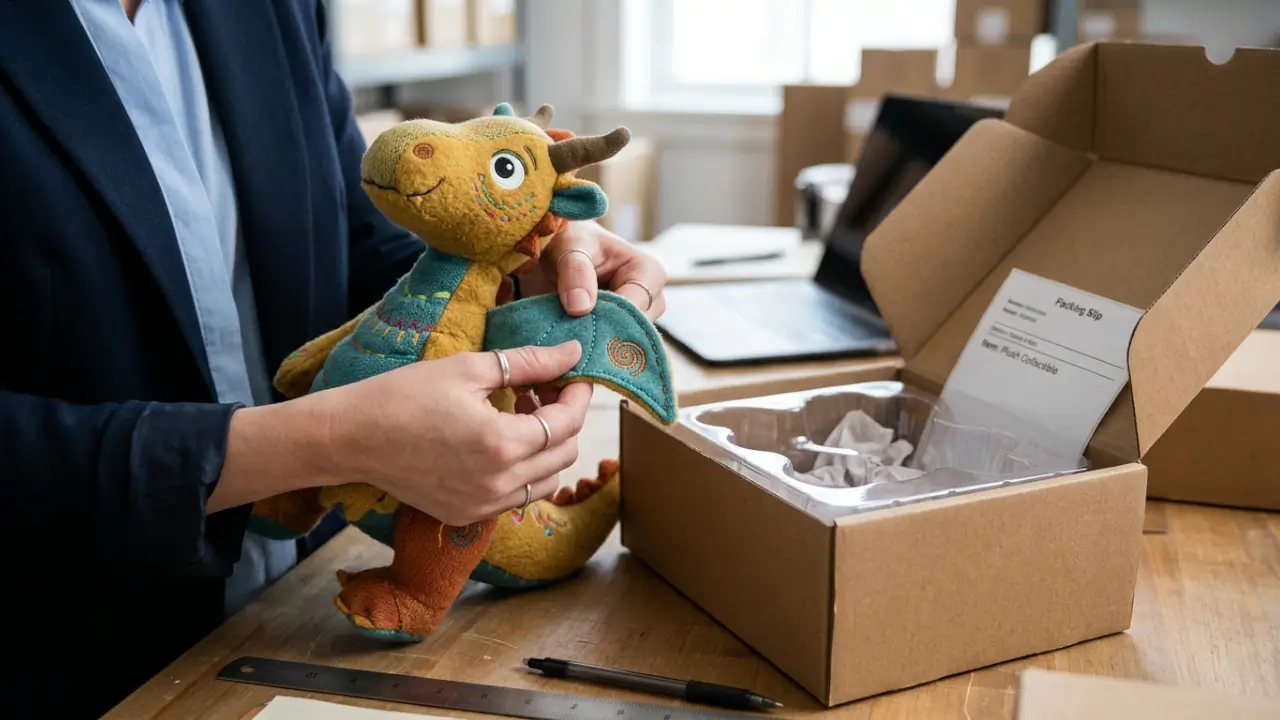
Photograph the sample from consistent angles and record observable issues instead of relying on an overall impression of softness or quality.
- Check seams, loose threads, embroidery or face-detail alignment, visible stuffing, and finishing around mixed-material components.
- If an attachment is included, inspect its connection point, closure, and any visible damage. Handling checks do not establish safety compliance.
- Inspect box corners, printing, seals, internal protection, and whether any required accessories are present.
- Compare product identifiers and labeling against the quote and available official references.
- Agree in writing how crushed boxes, missing components, and product defects will be documented and handled.
Ask for applicable age grading, material information, warnings, and documentation relevant to your destination market and intended sales channel. Verify requirements with an appropriate compliance professional where necessary. A collector-oriented description does not by itself settle legal classification, and generic documents may not cover the exact SKU you order.
Why the Lower Box Price May Not Be the Better Purchase
Compare quotes on the same delivery basis and with the same inclusions. Product price, freight, import charges where applicable, brokerage, payment fees, and necessary receiving or repacking work all affect the result. Confirm which party is responsible for each charge.
Estimated landed cost per sellable box = total purchase and inbound costs divided by the expected number of sellable boxes. Keep any allowance for damage clearly labeled as a planning assumption until shipment history supports it. Do not invent a defect rate to make one line look more attractive.
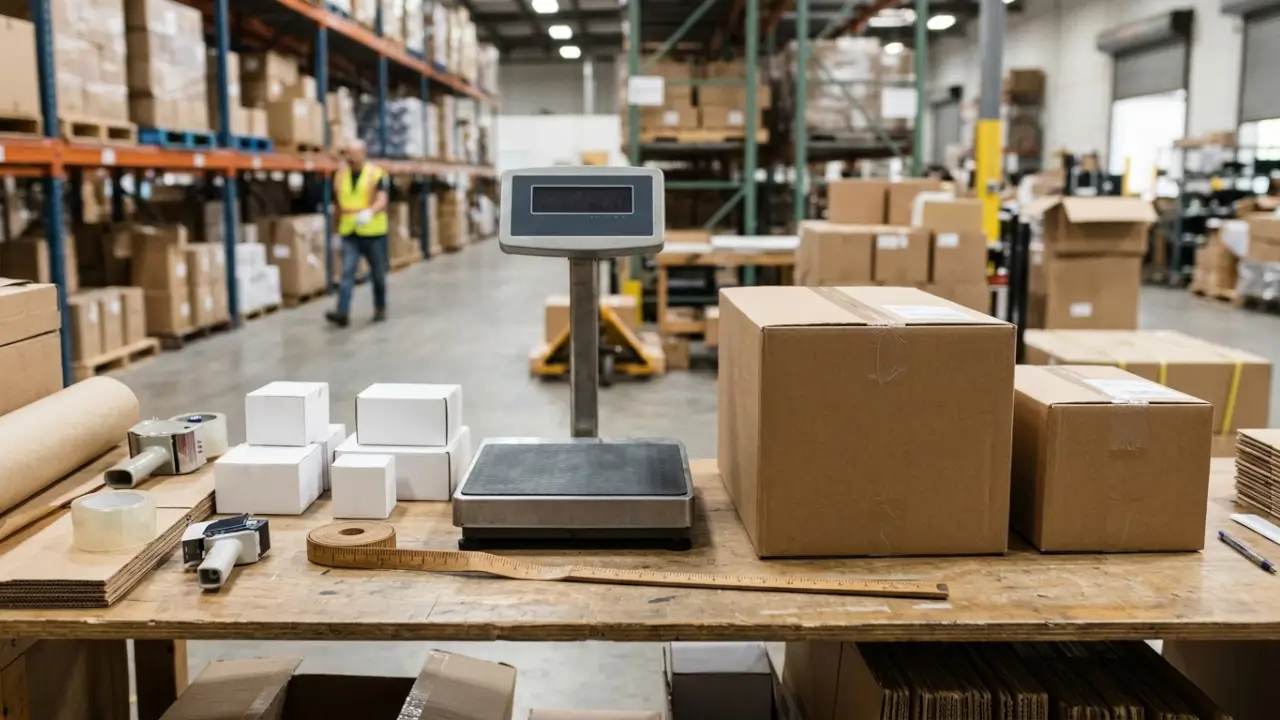
Request packed carton dimensions and gross weight for each line. A larger retail box can increase freight and storage exposure even when the plush itself is light. Online sellers should also estimate outbound packaging costs before comparing contribution at their intended selling price.
Separate supplier processing, international transit, customs clearance, and local delivery in your schedule. Ask what could delay dispatch, whether the quote concerns available goods or an expected release, and how changes will be communicated. Do not advertise a launch date based solely on an informal transit estimate.
For replenishment, compare weeks of sellable stock against the confirmed end-to-end replenishment window plus a suitable buffer. Track both lines over comparable selling periods; a promotion or a better shelf position can distort an otherwise useful test.
Make the Bittersweet–Ragbear Decision With a Matched Quote
Choose the line that meets your non-negotiable requirements first, then compare demand evidence and cost. For example, if only one has confirmed dimensions that fit your existing display, that is a practical advantage before any artwork preference enters the picture. If both qualify, a limited test usually provides better evidence than a large purchase based on artwork alone.
Pause if a supplier mixes photographs from different releases, will not define the case quantity, calls random boxes a guaranteed complete set without support, or substitutes generic compliance paperwork for product-specific evidence. An unusually brief quote is not automatically wrong, but unresolved details should be clarified before payment.
Request a side-by-side wholesale quote before committing to either line. Send the same brief to each shortlisted supplier so omissions and differences stay visible:
Please quote ShinWoo Bittersweet and Ragbear Clinic separately for our intended sales market and delivery destination. For each, confirm the exact product code and edition, format, dimensions, included components, MOQ, order multiples, boxes per display, and displays per carton.
Please include the assortment rules, current availability basis, processing estimate, delivery terms, packed carton measurements and weight, packaging photographs, sample options, applicable product documentation, and the procedure for reporting damage or missing items. Identify any proposed substitutions before accepting the order.
Add your target quantity, selling channel, desired arrival window, and any packaging constraints. Request a revised written quote after clarifications rather than piecing a decision together from scattered messages.
FAQ
Which is better for a first order: ShinWoo Bittersweet or Ragbear Clinic?
Choose the line that passes your format, packaging, documentation, and budget requirements with the smaller acceptable inventory commitment. Without verified specifications and current quotes, there is no defensible universal winner.
Does buying a sealed case guarantee every design?
Do not assume it does. Ask for the exact release’s written assortment rules, including duplicate possibilities and any special-design replacement rules, before describing a case as a complete set.
Can I compare the lines using only the quoted price per box?
No. Compare identical delivery terms, case quantities, carton dimensions, freight, applicable import costs, and packaging requirements. Use estimated landed cost per sellable box rather than product price alone.
What should I verify before listing either plush line online?
Verify the exact edition, product dimensions, included components, random-selection wording, age grading, and destination-market labeling requirements. Use images and descriptions that match the item you will actually receive.
Before You Commit Shelf Space
Keep the decision simple: verify the item, approve its presentation, calculate the purchase commitment, and compare landed costs. Order only when the quote supports your intended use. Then let actual sell-through, customer questions, and arrival condition decide which line deserves a larger reorder.