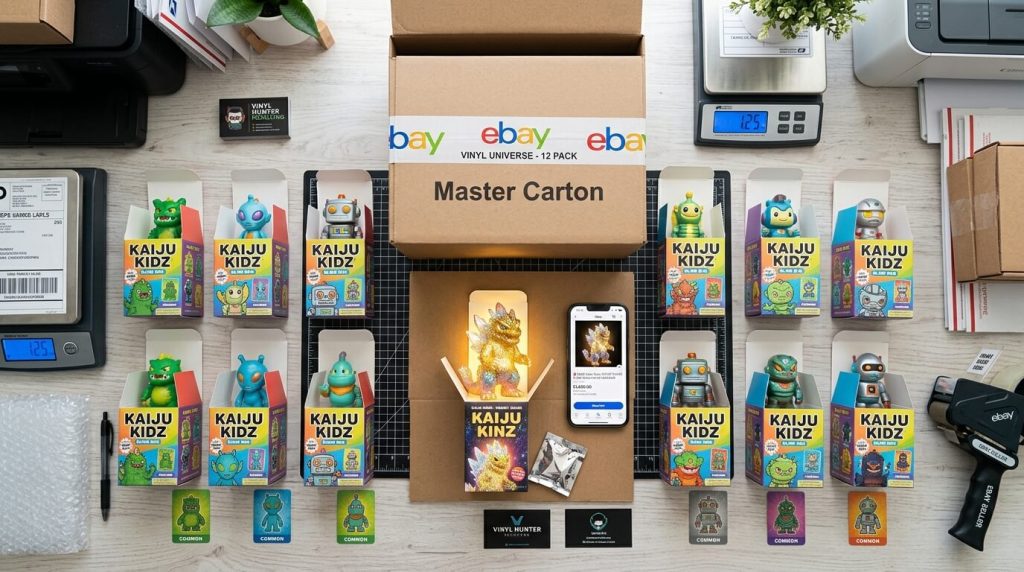




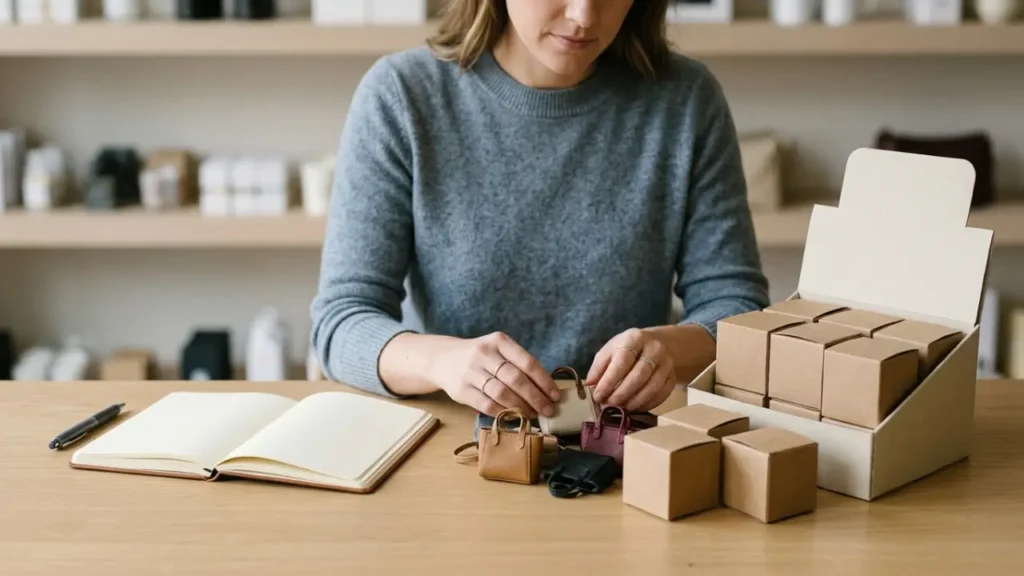
Small-format collectibles are hard to judge from a product photo alone: an item can look perfect for a checkout display, then arrive in packaging that eats far more shelf width than expected. Before comparing OYO Portable Bag mini blind boxes, settle two things in writing—the actual dimensions and exactly what each quoted set contains.
The supplied information does not establish verified measurements, materials, available variants, or set quantities. Treat this guide as a purchasing framework, not a product specification sheet. Before committing, request SKU-specific details that distinguish the item, its sealed retail box, any display pack, and the shipping carton.
Which OYO Portable Bag Measurements Matter on Your Shelf?
Start with the intended retail role. A collectible shop may prioritize sealed-box presentation, while a gift shop may need to explain whether the item has a practical carrying function. An online retailer also needs accurate product and parcel dimensions to avoid misleading listings and delivery-cost estimates.
Do not interpret “portable bag” as proof of usable storage, a detachable strap, or a particular attachment method. Ask whether the item is a functional miniature bag, a decorative collectible, or another format, and request photographs of the exact version being quoted.
- Item dimensions: Request height, width, and depth, with the measurement method stated.
- Handles and attachments: Confirm whether dimensions include them and whether they are removable.
- Usable interior: If storage is claimed, ask for opening and internal dimensions rather than relying on exterior size.
- Retail box: Obtain the sealed package footprint and height for shelf planning.
- Display pack: If offered, request its assembled footprint, not just its closed shipping dimensions.
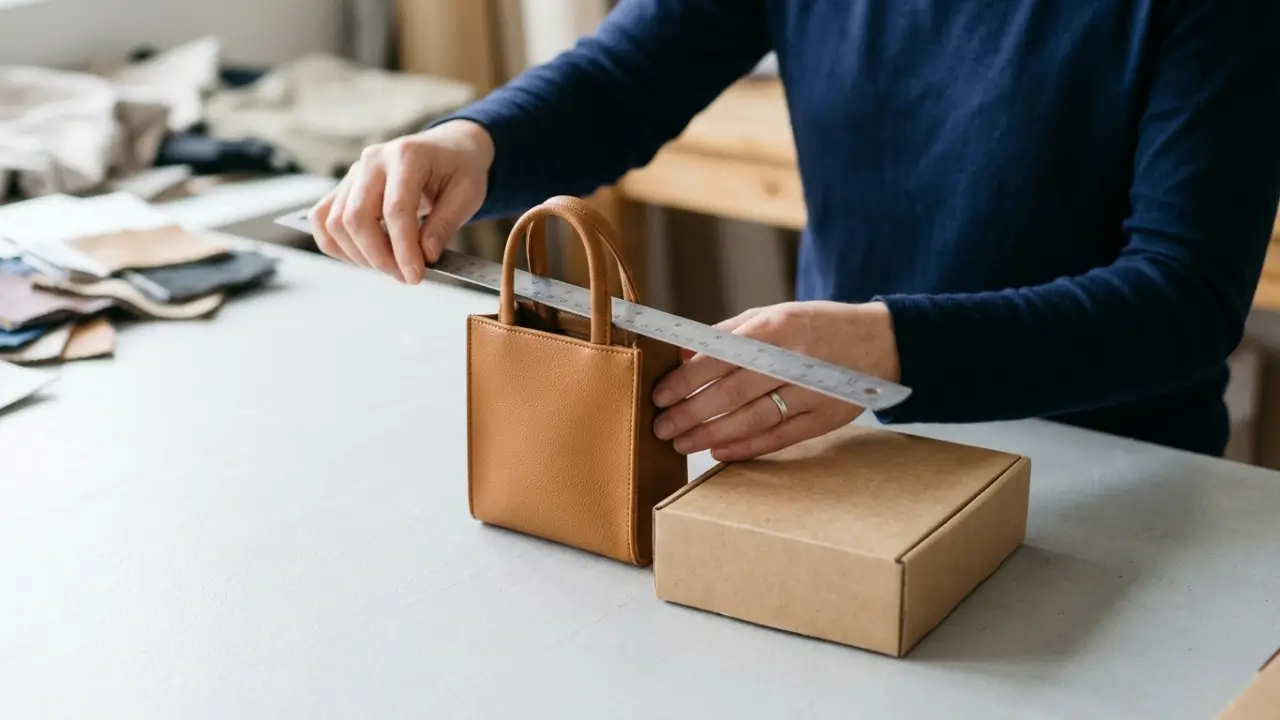
Ask for a ruler beside the item and its retail box in separate photos. This simple step catches measurement misunderstandings—such as a quote that lists the item size but not the taller sealed box—before you build shelf layouts or publish listings.
For gift-led assortments, the guide to functional collectibles for gift shops provides a useful adjacent comparison. Keep any functionality claims tied to the sample you actually review.
What Does a Mini Blind Box “Set” Actually Include?
A set is not automatically a complete collection. It might mean a group of sealed boxes, an unopened display pack, or a seller-assembled selection. Ask the supplier to define the term in the quotation and show the corresponding packaging.
Use the following checks to turn a listing description into a comparable buying specification.
| Detail to compare | Evidence to request | Retail buying decision |
|---|---|---|
| Exact product identity | Series name, SKU, version, and packaging photos | Compare matching versions rather than similar names. |
| Item size | Measured dimensions with attachments identified | Check display suitability and customer expectations. |
| Retail box size | Sealed-box dimensions and weight | Estimate shelf capacity and outbound packing needs. |
| Units per set | Written count of individual sealed retail boxes | Convert every set quote to the same unit basis. |
| Assortment rule | Written explanation of randomization and duplicates | Avoid advertising a complete collection without support. |
| Special-edition treatment | Official inclusion or replacement rules, if applicable | Do not assume special editions are included or additional. |
| Master carton | Sets per carton, total units, dimensions, and gross weight | Calculate freight and receiving requirements. |
| Packaging condition | Seal photos and retail-box damage policy | Assess whether units meet full-price selling standards. |
If the supplier claims no duplicates within a pack, ask whether that applies to manufacturer-sealed packs only. A repacked group of boxes should not inherit that claim without evidence. For a related buying framework, see the guide to comparing blind box formats and pack sizes; its product details should not be transferred to OYO.
Build a First Order Around Sealed Packs, Not Assumed Variants
Confirm three separate constraints: the minimum order quantity, the permitted ordering increment, and the number of retail units in each pack. A supplier’s minimum purchase requirement does not necessarily equal one display set or one shipping carton.
Ask whether the minimum applies per SKU, per series, or across the whole order. If mixed orders are permitted, confirm whether mixing affects price, packaging, dispatch timing, or assortment assurances.
As a planning example only, a retailer might allocate one unopened pack for online sales and another for single-box in-store sales. If an opened sample is also needed, count it separately: opening a box for photography removes it from sealed blind-box inventory.
- Reserve space using retail-box dimensions, not miniature item dimensions.
- Keep unopened packs identifiable if selling both singles and sets.
- Do not budget a complete variant display unless its contents are explicitly confirmed.
- Set a maximum cash commitment before accepting a larger quantity discount.
Retailers testing an unfamiliar series can use the small-store blind box buying guide to frame assortment breadth against available capital.
Before comparing quotes: send prospective suppliers your intended selling format, shelf constraints, and target order range. Ask which sealed pack configurations, if any, fit those requirements.
Why the Lowest Set Price May Cost More to Stock
Normalize each quote to one sealed retail unit before judging value. Then calculate the cost of getting those units into sellable condition at your store or fulfillment location.
Estimated landed cost per sellable unit = total acquisition and inbound costs ÷ expected sellable units. Include merchandise, freight, insurance if purchased, applicable duties, brokerage, handling, and nonrecoverable taxes. Keep recoverable taxes separate where appropriate, with advice from your accountant or customs adviser.
Calculate a base case, then test a clearly labeled planning scenario with fewer full-price units because of opened samples or damaged boxes. Do not present that scenario as an expected defect rate. Add outbound packing and channel fees separately when evaluating retail contribution.
Freight comparisons require carton dimensions, gross weight, delivery destination, and the quoted shipping term with its named place. A lower merchandise quote is not comparable if it excludes charges another quote includes—for example, a quote that omits brokerage can look cheaper per unit until clearance is added.
For replenishment, distinguish stock readiness, order processing, transit, and destination clearance. Ask what changes between a first order and a reorder. Once sales data exists, use average unit sales during the expected replenishment interval plus a chosen buffer as a planning reference, rounded to the permitted pack increment.
Protect Mini Blind Box Packaging Before Dispatch
For sealed collectibles, the retail box is part of the customer experience. Ask how display packs are secured inside the master carton, whether empty space is filled, and how corners are protected. Confirm whether shipping labels will be applied only to outer shipping packaging.
Request photos showing retail seals, display-pack condition, and the proposed outer packing. Receiving teams should distinguish crushed corners, moisture exposure, broken seals, missing units, and item defects rather than recording everything as generic damage.
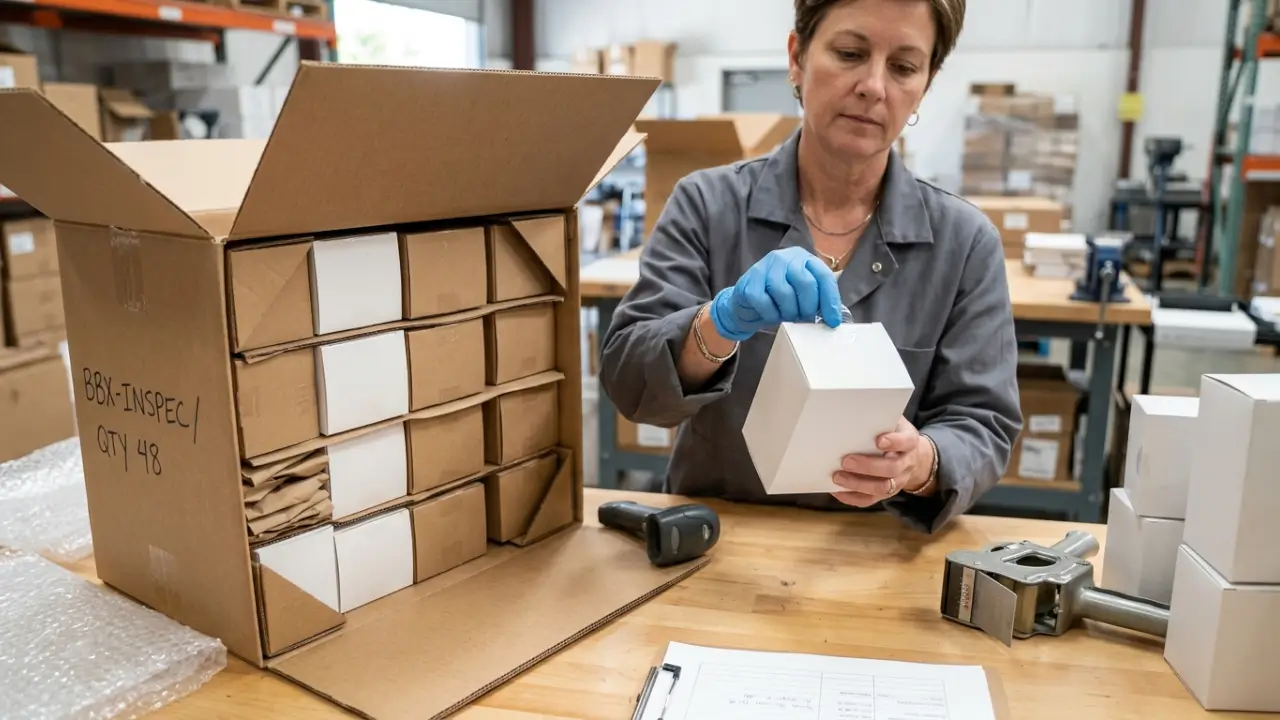
If you order a sample for inspection, review the actual construction. Where relevant, check stitching, closures, handles, attachment points, surface finish, and whether advertised storage is usable. Record observations without treating one sample as proof of an entire shipment’s quality.
Before import or resale, verify the product’s classification, intended age range, labeling, and applicable safety requirements for your destination market. Small parts, straps, and child-directed presentation may affect the assessment. Request documentation tied to the exact SKU where required; a general catalog statement is not enough.
When an OYO Set Quote Needs Clarification
An incomplete quotation is not automatically evidence of misconduct, but it should pause the purchase decision. Resolve these issues in writing before paying:
- “Full set” without a unit count: Ask whether it describes packaging quantity or confirmed variant coverage.
- Conflicting measurements: Establish whether each figure refers to the item, retail box, or carton.
- Unclear seal condition: Confirm whether boxes are unopened, inspected, or repacked.
- Changing versions: Require approval before substitution with a different SKU or packaging edition.
- No claims procedure: Ask what evidence is needed for shortages or damage and when it must be submitted.
- Unsupported authenticity assurances: Request traceable sourcing information and relevant rights or distribution evidence where applicable.
Save approved specifications, photos, and pack definitions with the purchase order. They provide a concrete reference if delivered goods differ from the quotation.
Send a Quote Request That Defines the Mini Bag Order
A useful inquiry lets suppliers price the same requirement. Fill in your destination, sales format, and target range, while leaving unverified product details as questions.
Please quote the exact OYO Portable Bag mini blind box version shown in your current listing. Our intended sales format is [sealed singles/unopened sets/both], our target quantity is [range], and delivery is to [destination and postal code].
Please confirm the SKU, item and retail-box dimensions, materials, included accessories, sealed units per set, sets per carton, assortment rules, MOQ, and ordering increments. State whether any complete-set or no-duplicate assurance applies.
Please provide carton dimensions and gross weight, sample options, merchandise and freight charges, shipping term and named place, estimated dispatch readiness, and transit assumptions. Include seal and packing photos, applicable product documentation, substitution terms, and shortage or damage claim procedures.
Request the itemized quotation and pack photos before placing your order. Approve the exact version, unit count, assortment wording, and delivery responsibilities together—not just the headline set price.
FAQ
What size are OYO Portable Bag mini blind boxes?
Verified dimensions are not provided here. Request measurements for the item, sealed retail box, display pack if offered, and master carton; confirm whether handles or attachments are included.
Does an OYO Portable Bag set include every design?
Do not assume so. Ask for the sealed unit count, assortment rules, duplicate policy, and any special-edition replacement rules for the exact version being quoted.
Can retailers order individual boxes instead of full sets?
Ordering options are not confirmed. Ask whether sealed singles, unopened packs, or mixed orders are permitted, and obtain the MOQ and ordering increment for each option.
How should retailers compare quotes for different set sizes?
Convert each quote to a cost per sealed retail unit, then add comparable inbound costs. Check that the version, seal condition, assortment terms, and shipping responsibilities match.
What should a retailer inspect before a larger order?
Check measured size, construction, any claimed functionality, retail seals, packaging condition, and carton protection. Verify destination-market labeling and safety requirements for the exact SKU before resale.
Before You Commit Shelf Space
Choose the OYO configuration that fits your selling format and cash limit after the specifications are confirmed. A clear unit count, documented assortment rule, measured package size, and comparable landed-cost estimate are more useful than an attractive but undefined set offer.