



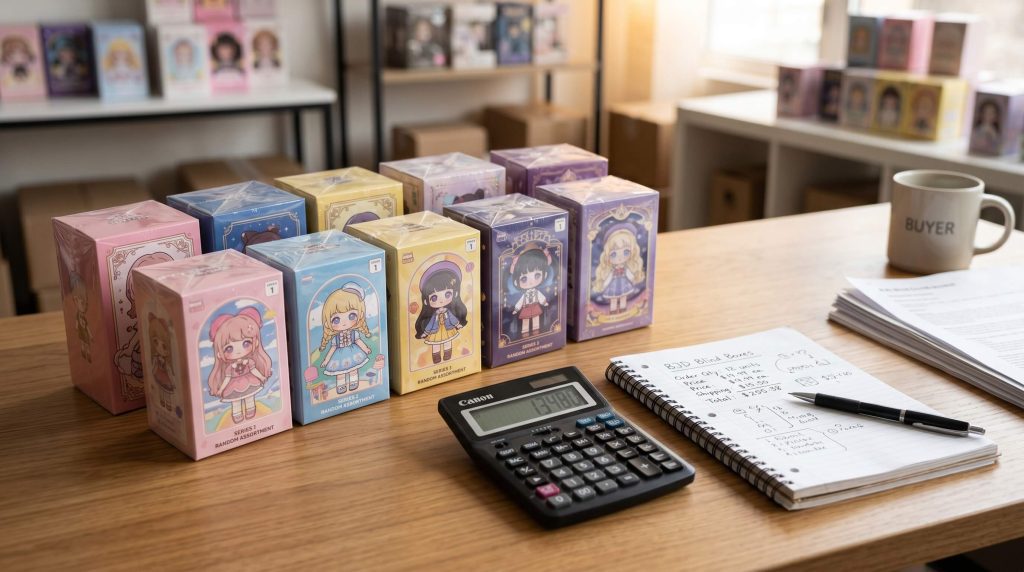
Buyers of character-driven collectibles face one core question before a bulk order: can the appeal in a product photo turn into repeat purchases at the shelf, the livestream table, or an online listing? A ball-jointed doll blind box raises that bar because shoppers respond to character design, articulation, styling, and the surprise format — yet each of those features adds its own sourcing risk that should be settled before money moves.
This guide looks at the Ten Thousand Escape Plans BJD Doll Blind Box from a buyer’s point of view. It does not assume stock status, price, MOQ, case configuration, or certification details. Instead, it gives retailers, gift shops, anime stores, and collectible sellers a practical way to compare quotes, confirm specifications, plan landed cost, and reduce avoidable order risk.
Who Should Test This Doll Line First?
Not every store needs the same buying plan. Before asking for a quote, identify where the Ten Thousand Escape Plans series would sit in your assortment and how customers would discover it. A boutique with display cabinets may care most about visual impact, while an online seller cares more about sealed-box condition and repeatable SKU data.
Common buyer types include:
- Anime and collectible shops: Use BJD-style blind boxes as a character-led collectible line, often displayed beside figures, plush, and badges.
- Gift retailers: Evaluate the box presentation, perceived value, and whether the design fits gifting occasions.
- Livestream sellers: Need clear case counts, variation information, and packaging that survives frequent handling on camera.
- Online marketplaces: Must prepare accurate listings, photos, barcode or SKU references if available, and clear policies for sealed blind purchases.
- Pop-up and event vendors: May start with a smaller test order to judge sell-through before committing more display space.
If your customers already respond to IP-inspired collectibles, you may want to compare the sourcing questions in the Alien Stage Baby Series blind box sourcing guide. The product format differs, but the quote comparison and buyer risk logic carry over.
Match Ten Thousand Escape Plans to the Right Retail Scenario
A buyer should not judge a blind box by unit cost alone. The better question is: where will this product make customers stop, inspect, and buy more than one? For BJD dolls, visual display and perceived craftsmanship often matter more than they would for a flat accessory or a simple mini figure.
| Retail scenario | What to check before ordering | Buying risk to manage |
|---|---|---|
| Anime specialty shop | Character styling, display visibility, compatibility with existing figure shelves | Too much overlap with current figure lines |
| Gift store | Outer box condition, gift-ready appearance, price tier versus other impulse gifts | Customers may not understand blind-box rules without clear signage |
| Livestream sales | Case quantity, variation information, sealed-box consistency | Damaged boxes or unclear assortment claims during live selling |
| Online store | Product dimensions, weight, listing photos, shipping protection | Higher return questions if the listing does not explain random-style purchase |
| Convention booth | Fast shelf setup, theft-resistant display, compact backstock cartons | Inventory runs out before reorder is possible |
| Test assortment | Smallest practical case or trial quantity available from the supplier | Inconclusive sales data if the sample size is too small |
As a planning reference, compare one BJD doll blind box line against a lower-cost add-on item to gauge basket-building potential. For example, collectible badges such as the Link Click plush badges for anime shops play a different price role than a doll blind box, so the two should not be held to the same turnover expectation.
Confirm Doll Details Before Two Quotes Look Comparable
Two supplier quotes can look similar until you compare what is actually included. With a BJD-style product, confirm the physical and presentation details that drive perceived value and damage risk first, because missing details can make a cheaper quote more expensive later.
Ask the supplier to confirm:
- Blind box format: Is each unit sealed and randomly packed? Are full sets, single boxes, or full cases available?
- Assortment information: How many regular styles are described in the series, and is any hidden or special style mentioned? Avoid assuming ratios unless documented.
- Doll characteristics: Confirm approximate height, joint/articulation description, hair or accessory components, and whether small parts are included.
- Packaging dimensions: Request single-box and carton measurements for freight planning.
- Case configuration: Ask how many boxes are packed per inner carton and master carton, if that information is available.
- Sales materials: Ask whether product images, style names, or display references can be used for your store listing.
- Language and labeling: Confirm packaging language, warning labels, age grading, and any destination-market labeling needs you must verify.
If you are comparing several collectible formats, a product page such as the Little Monster CUPA-I Am Undefined Series Blind Box can help you think through how figure size, box format, and display style change your merchandising plan.
Why Carton-Level Math Matters for BJD Doll Margins
Blind box margin planning should be done at carton level, not single-unit level. A BJD doll may need more protective packaging or occupy more volume than a small accessory, which raises freight cost per sellable unit. If you compare only the quoted unit cost, you can miss the real difference in landed cost.
Build a simple comparison sheet with these columns:
- Quoted unit cost
- Units per carton
- Carton dimensions and gross weight
- Estimated freight and handling cost allocated per unit
- Import duties, taxes, brokerage, or marketplace fees where applicable
- Expected damage allowance or reserve stock
- Target retail price range and markdown plan
As a planning exercise only, compare Case A — more units per carton but higher carton weight — against Case B, with fewer units and better protective spacing. The cheaper unit quote may not win once freight, damage risk, or storage cost is added. Always request actual carton data from the supplier rather than guessing from product photos.
If you are preparing a first BJD doll blind box order, gather your carton, packaging, and assortment questions together before you contact the seller. A more complete inquiry usually returns a more comparable response.
Protect Face, Hair, Accessories, and Box Corners in Transit
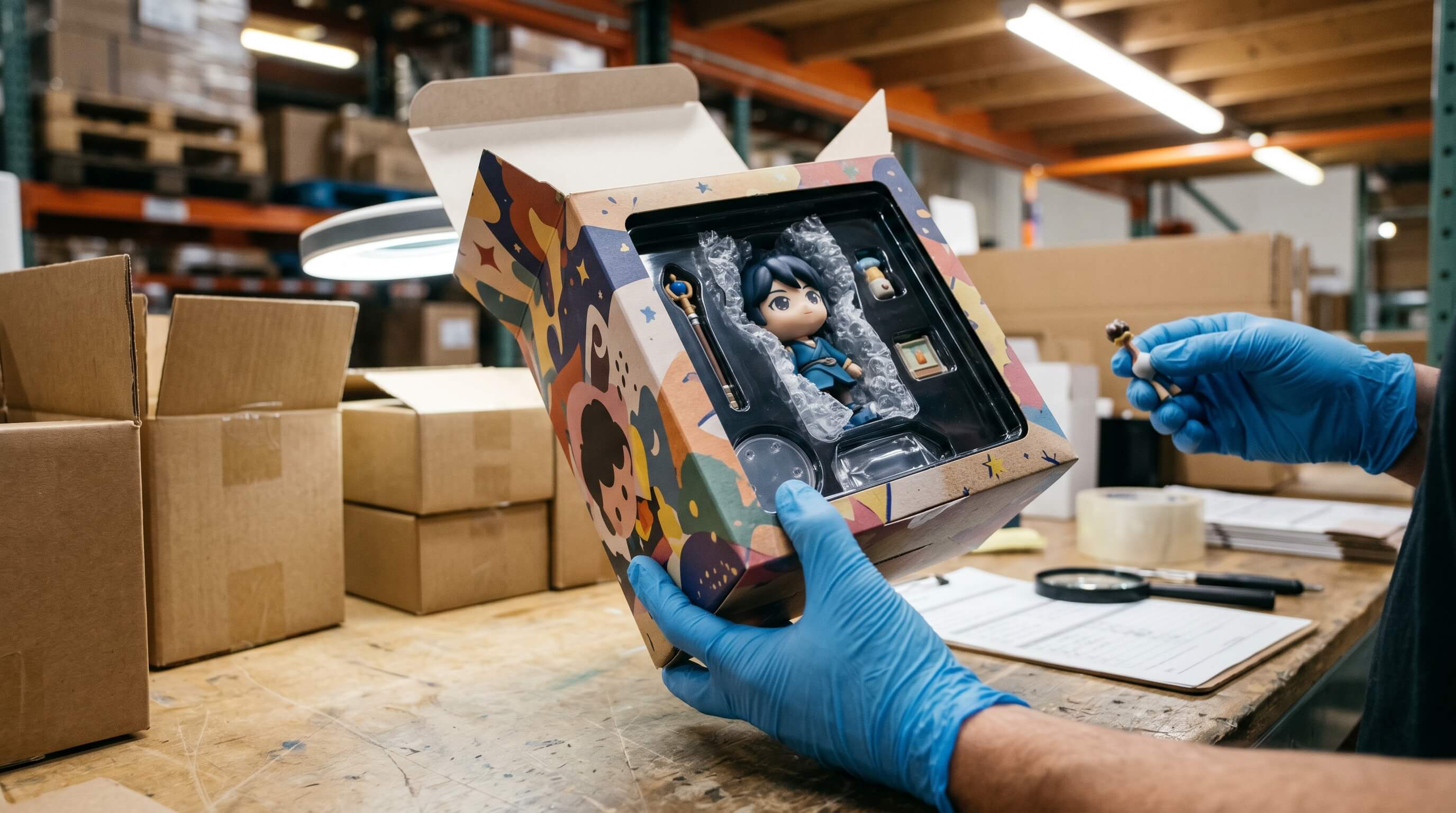
For doll-style collectibles, damage is not limited to broken parts. Bent outer boxes, scuffed display windows, loose accessories, crushed corners, or messy hair can all reduce shelf appeal. Before paying for bulk stock, ask how the supplier packs individual units, inner cartons, and master cartons.
Useful packaging checks include:
- Single-box protection: Confirm whether the doll is fixed inside the box and whether accessories are separated or secured.
- Inner carton fit: Ask if boxes are packed tightly enough to avoid movement but not so compressed that corners deform.
- Master carton strength: Request carton photos or specifications if available, especially for international freight or long-distance domestic shipping.
- Retail display condition: Define whether outer-box dents are acceptable for your sales channel. A discount bin may tolerate more than a gift shop.
- Inspection plan: For a first order, consider checking a sample of units from different cartons rather than only the top layer.
Treat compliance and labeling carefully. Verify age grading, small-parts warnings, toy safety requirements, import documentation, and marketplace listing rules for your destination market. Do not assume that packaging suitable for one country automatically meets another country’s requirements.
Plan Reorders Before the First Case Sells Through
Blind box demand can be uneven. A product may sell quickly during the first social-media push and then slow down, or it may build momentum after customers start sharing unboxings. Because reorder timing depends on supplier availability, freight method, and your own sales velocity, set a reorder trigger before launch.
As a planning reference, a retailer might set internal checkpoints like these:
- Review sell-through after the first display cycle or promotional push.
- Track whether buyers purchase one box or multiple boxes per transaction.
- Separate sealed-box sales from opened-display or livestream sales.
- Reorder before inventory falls below the amount needed for your next event, campaign, or marketplace restock window.
- Keep notes on damaged units, customer questions, and any style preferences that affect future buying.
Seasonal timing also shapes collectible orders. If this line is aimed at gift traffic, compare your planning process with the seasonal buying logic in the Nanci Christmas Gift Series retail buying guide, especially around launch windows and clearance risk.
Warning Signs When Sourcing Ten Thousand Escape Plans Stock
Red flags do not always mean a supplier is unreliable, but they do mean you should slow down and ask for documentation. The higher a product’s visual value, the more important it is to confirm details before transferring payment.
- Only one cropped product image: Ask for packaging, carton, and detail photos when possible.
- No clear case information: If the supplier cannot state how units are packed, freight estimates may be unreliable.
- Vague assortment promises: Be cautious with undocumented claims about hidden styles, ratios, or “complete set” guarantees.
- Price changes without specification changes: Confirm whether the new quote covers the same product, packaging, and quantity.
- Pressure to pay before basic details are answered: A serious retail order needs time for quote comparison.
- No discussion of damaged-box handling: Decide in advance how visible packaging damage will be handled in your receiving process.
For a broader assortment strategy, some buyers pair doll blind boxes with softer or romantic character lines. The Nommi Amaryllis Sweetheart Series buying guide is useful for weighing how material, occasion, and gift appeal change purchasing decisions.
A Practical Inquiry Template for a First BJD Doll Order
Use a structured inquiry so the supplier can answer quickly and so you can compare offers line by line. Copy, edit, and add your destination-market requirements as needed.
Hello, we are evaluating the Ten Thousand Escape Plans BJD Doll Blind Box for retail resale. Please quote the available order options and confirm the following:
1. Available quantity options, case configuration, and whether single boxes, full cases, or full sets are available.
2. Unit price by quantity level, plus any separate packing, handling, or documentation charges.
3. Single-box dimensions, carton dimensions, carton weight, and units per carton.
4. Product details including doll size, included accessories, packaging format, and assortment information.
5. Photos of the retail box, inner packing, master carton, and any available product detail images.
6. Estimated dispatch timing after payment confirmation, if available, and shipping options to our destination.
7. Labeling, age grading, warning information, and documents buyers should review for our market.
8. Policy for visibly damaged cartons or units received in unsellable condition.
Before approving a quote, line up the same quantity basis, the same packing basis, and the same shipping term. If one quote excludes freight and another includes it, they are not directly comparable. If one is for loose units and another is for sealed cases, the retail value may also differ.

Ready to evaluate this line for your store? Prepare your target quantity, destination, preferred shipping method, and retail channel notes before requesting a quote. Clear buyer information helps the supplier respond with the details you need for a confident purchasing decision.
FAQ
What should retailers confirm before buying a BJD doll blind box?
Retailers should confirm assortment format, case quantity, doll size, accessories, packaging dimensions, carton data, labeling details, and shipping terms before comparing quotes.
Is a full case better than buying loose blind boxes?
A full case may be easier for display planning and assortment control, but buyers should confirm case configuration and availability. Loose boxes may suit small tests, but they can be harder to evaluate if assortment details are unclear.
How should I estimate landed cost for Ten Thousand Escape Plans stock?
Add the quoted unit cost, allocated freight, handling, duties, taxes, marketplace fees if relevant, and a realistic allowance for damaged or unsellable packaging. Use carton dimensions and weight rather than guessing from photos.
What packaging issues matter most for BJD-style blind boxes?
Check outer-box corner strength, internal doll fixation, accessory protection, carton strength, and whether units arrive in retail-display condition. Cosmetic packaging damage can affect gift and collectible sales.
Can I use supplier images for my online listing?
Ask the supplier directly whether product images, style names, and packaging photos can be used in your store listing. Do not assume usage rights are included with a quote.
Before You Place the First Order
Treat the Ten Thousand Escape Plans BJD Doll Blind Box as a retail program, not just a product photo. Confirm the specs, calculate carton-level landed cost, protect packaging quality, and set your reorder trigger before launch.
A careful first order gives you better data: how many customers buy multiples, whether the box presentation supports your price point, and whether the supplier’s packing meets your channel requirements. Use that information before scaling into a larger restock.