



Deciding whether a grumpy-faced character line belongs on your shelves is harder than it looks: the style can attract attention fast, but the commercial result depends on case quantity, packaging condition, and reorder timing. Sleepless Grumpipi figures may read as an easy impulse-buy item, yet the outcome turns on how clearly you define the assortment, quote terms, and launch plan before placing an order.
This guide is written for toy stores, anime shops, gift retailers, online collectible sellers, and pop-up buyers comparing grumpy character figures for resale. It does not assume a specific MOQ, price, certification, material, or stock status. Instead, it gives practical checks you can use when requesting a quote and comparing offers.
Why a Grumpy Character Figure Line Needs a Clear Retail Role
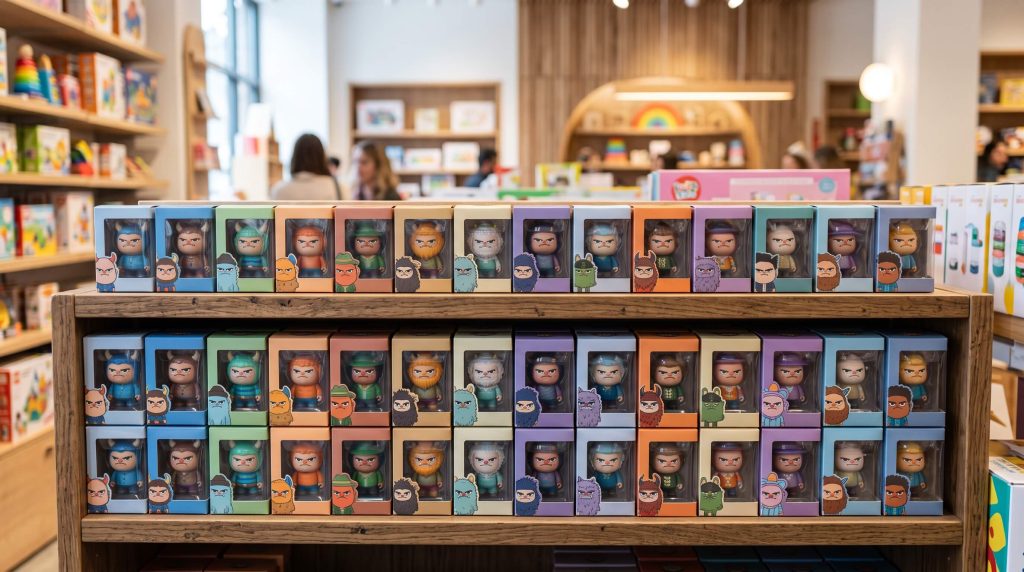
Before asking for pricing, decide what job the figure series should do in your store. A grumpy-faced character can work as a humor item, a desk accessory, a collectible display piece, or a giftable add-on. Each role changes how many units you need, where you display them, and how much packaging damage you can tolerate.
Ask these buyer-side questions first:
- Is it an impulse purchase? If yes, the display footprint and unit presentation matter more than deep backstock.
- Is it part of a character wall? If yes, compare it with adjacent cute, dark, funny, or moody series.
- Is it a gift item? If yes, outer box condition and photo-ready packaging become more important.
- Is it a collector item? If yes, buyers may care about full-set planning, duplicates, and variant confirmation.
Retailers carrying darker or moodier collectibles may also benchmark the line against products with similar visual energy, such as the dark-aesthetic Nightmare Twins blind box. The point is not to copy another product, but to judge whether Grumpipi belongs in the same customer journey.
Match Sleepless Grumpipi Figures to the Right Customer Profile
Sleepless Grumpipi figures are easier to evaluate when you connect the character mood to a buyer type. A customer who buys office desk decorations may respond differently from a collector who wants a full series. Build your order plan around the customer you can actually reach.
| Retail buyer type | Likely reason to buy | What to confirm before ordering |
|---|---|---|
| Anime and collectible shops | Character shelf variety and repeat browsing | Series lineup, packaging style, display compatibility |
| Gift stores | Funny emotional gift or desk companion | Gift-ready box condition and barcode or label needs |
| Online sellers | Photogenic product listings and small parcel fulfillment | Individual box dimensions, weight, and carton protection |
| Pop-up event vendors | Fast visual appeal and compact display | Case quantity, easy transport, and damage risk during setup |
| Bookstores or lifestyle shops | Desk, dorm, and mood-themed accessories | Whether the design feels appropriate for the store audience |
| Collector-focused retailers | Series completion and character variation | Assortment ratio, duplicate risk, and replacement process |
If your store already sells character-led mystery or figure lines, compare the customer reaction to other IP-style or personality-driven items. For example, retailers studying the Alien Stage Baby Series sourcing approach can use similar thinking when deciding whether Grumpipi should be a small test order or a broader display feature.
What to Confirm Before Two Grumpipi Quotes Are Actually Comparable
A low unit quote is not useful if the specifications are unclear. Before comparing suppliers, make sure each quote describes the same product condition and order structure. Otherwise, you may be comparing different packaging, different assortments, or different freight assumptions.
Confirm these points in writing:
- Exact series name and figure version being quoted.
- Whether items are open figures, sealed boxes, blind boxes, or mixed formats.
- Number of styles in the series and whether a full set is possible in one case.
- Case pack quantity and inner pack arrangement.
- Individual product packaging type and carton packaging method.
- Whether product photos are supplier photos, sample photos, or reference images.
- What is included in the quoted price and what is quoted separately.
- Payment terms, cancellation rules, and how shortages or defects are handled.
For example, one quote may describe individual display boxes packed into an export carton, while another may only mention loose figures or unspecified packaging. Even if both mention the same character line, the retail value is not the same.
How Case Packs Change Grumpy Character Shelf Risk
Case quantity affects cash flow, sell-through speed, and the chance of being stuck with slow-moving expressions or colors. Ask the supplier whether the series is packed evenly, randomly, or according to a fixed assortment. If the product is sold in blind or sealed format, also ask how duplicate risk is handled within a case.
As a planning reference, a retailer might compare three order scenarios without assuming any fixed MOQ:
- Small test: enough units for one shelf row, one online listing cycle, and a small reserve for defects or exchanges.
- Display launch: enough units to build a visible in-store feature plus backstock for the first reorder window.
- Event order: enough units for a weekend pop-up, with transport-safe cartons and quick restocking access.
The right quantity depends on your customer traffic, display space, and reorder access. Do not order purely because the case price looks attractive. If you cannot display, photograph, or sell through the case efficiently, the lower unit cost may not protect your margin.
Soft buying tip: before requesting bulk pricing, prepare your preferred order scenario and ask the supplier to quote the same scenario with case quantity, carton size, and estimated packed weight clearly separated.
Read Figure Quotes by Landed Cost, Not Just Character Appeal
Grumpy character art may drive interest, but landed cost determines whether the item works commercially. Buyers should evaluate product cost together with packaging, payment charges, freight, duties, local delivery, marketplace fees, and damage allowance where relevant.
Use a simple comparison table when reviewing quotes:
| Cost or risk item | Buyer action | Why it matters |
|---|---|---|
| Unit product price | Confirm what packaging and assortment are included | Prevents comparing a retail-ready item with an incomplete offer |
| Carton dimensions and weight | Ask for packed carton details before freight estimation | Collectible figures can be affected by volumetric shipping cost |
| Case pack quantity | Calculate display units and backstock separately | A case that is too large can create slow inventory |
| Packaging damage allowance | Plan inspection and photo documentation on arrival | Box damage can reduce resale value for gift or collector customers |
| Labeling or import requirements | Verify requirements for your destination market | Toy, age, language, and customs rules can vary by market |
| Reorder availability | Ask whether future batches may differ or sell out | Helps decide whether to test lightly or secure enough launch stock |
If your store sells multiple collectible figure styles, compare the landed cost logic across nearby categories. A buyer reviewing the Little Monster CUPA-I Am Undefined Series may use a similar framework: visual appeal first attracts attention, but carton-level cost and sell-through control decide the reorder.
Packaging Checks for a Sleepless, Grumpy-Faced Collectible Launch
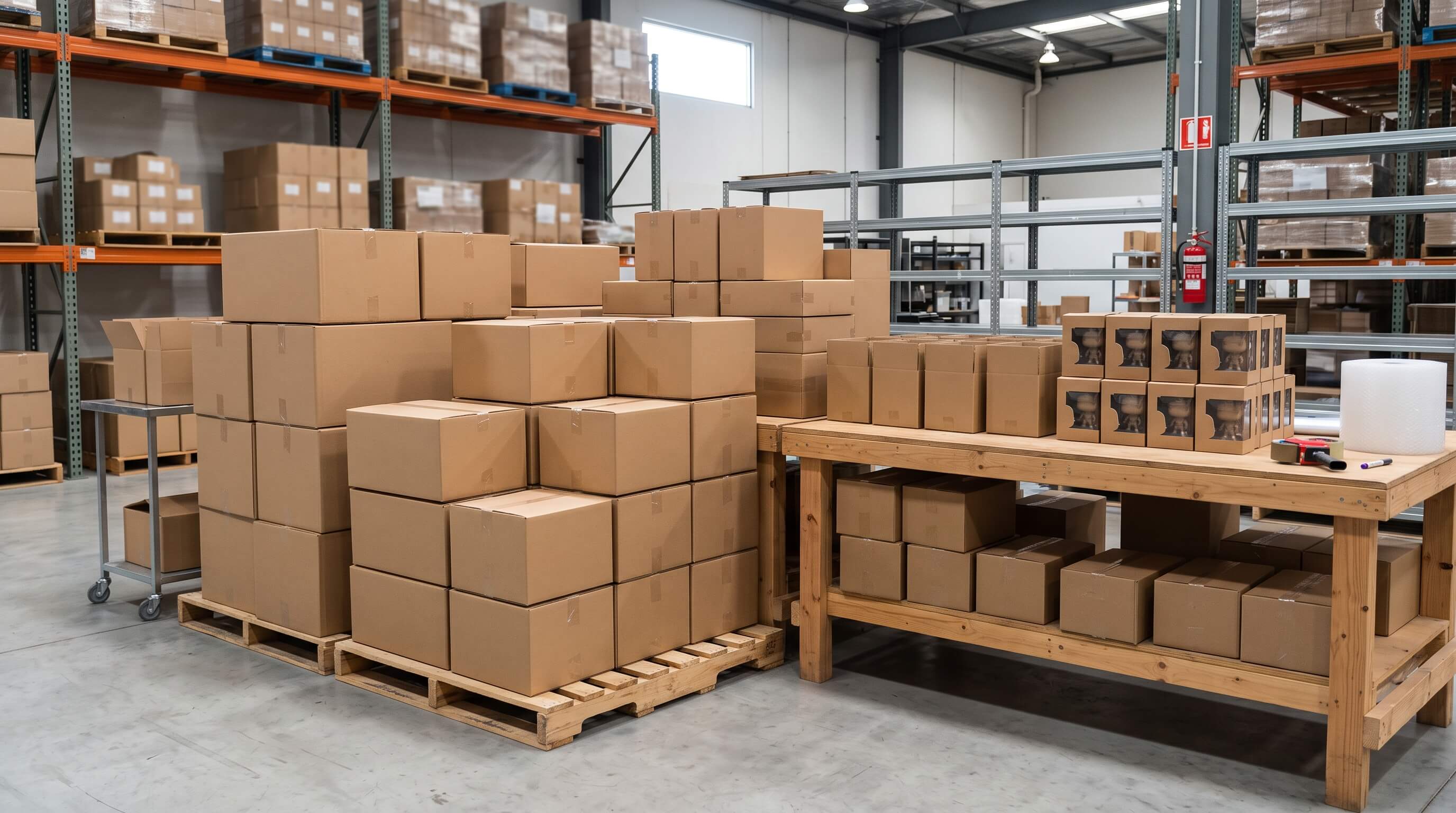
Packaging is not only protection; it is part of the retail experience. For a character series with a strong facial expression, customers often judge the product from the box image, window, or online listing photo before seeing the figure in person. Ask for packaging photos from multiple angles when possible.
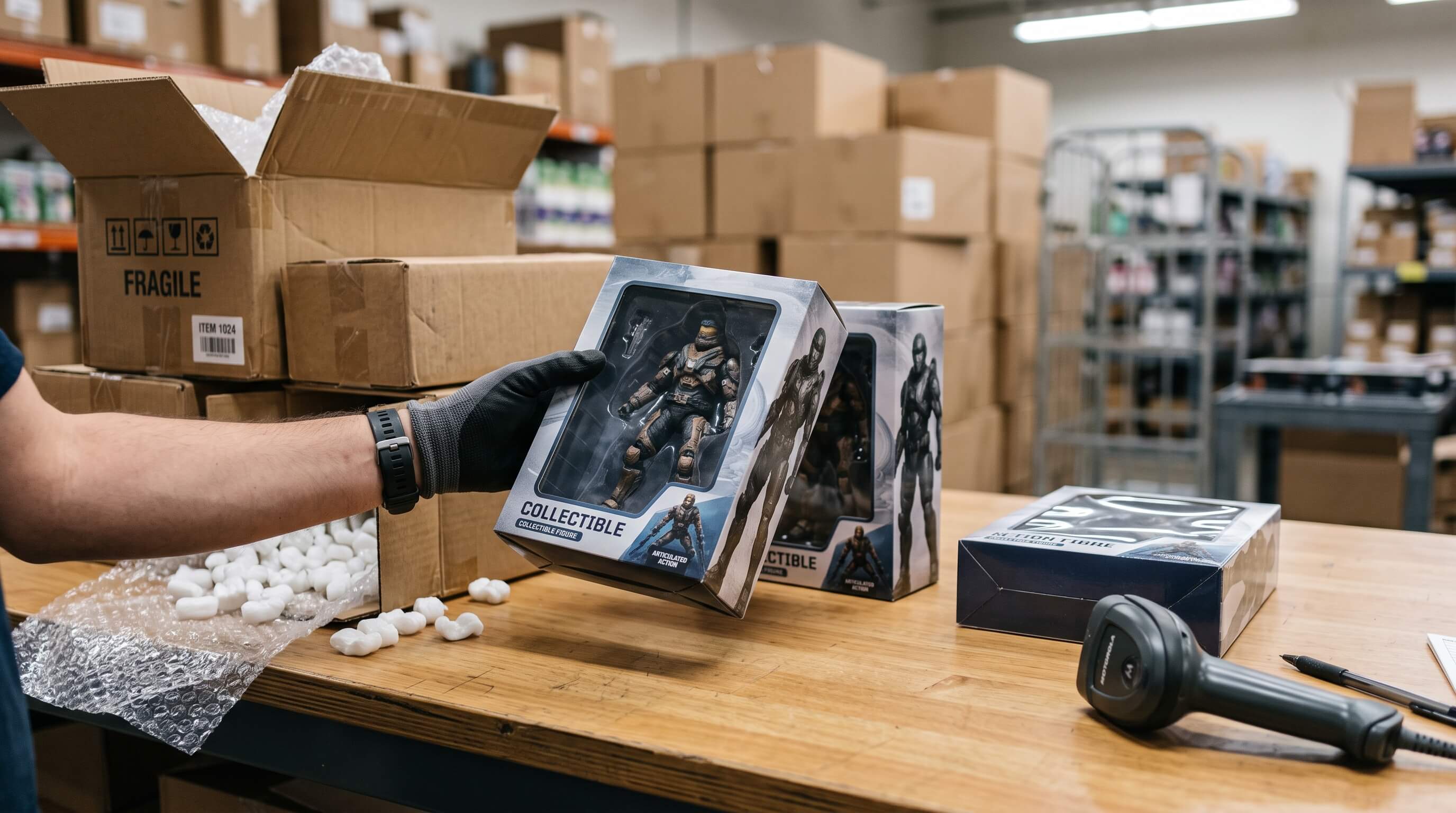
Use this arrival inspection checklist:
- Photograph unopened shipping cartons before cutting tape.
- Check carton corners for crushing, moisture marks, or retaping.
- Count inner boxes or units against the packing list.
- Inspect a sample of retail boxes for dents, scuffs, print issues, or loose seals.
- Check figure surfaces for obvious paint, assembly, or accessory issues if visible or if inspection is allowed.
- Separate sellable, discountable, and claim-review units immediately.
Buyers should also confirm labeling, age grading, language, and import requirements for the destination market. Requirements can differ by country, channel, and customer age group, so do not rely only on product photos or another seller’s listing.
Freight Timing Matters When a Figure Series Becomes a Mood Trend
Character trends can move quickly. A grumpy expression may perform well because it fits social posts, office humor, or gift moments, but timing still matters. If the first shipment arrives after the online trend has cooled or after a gift season ends, the same item may need discounting.
Build a reorder plan around decision points, not guesses. For example, a retailer may set an internal review after the first week of sales, after the first 30% of stock sells through, or after online listing engagement reaches a target level. These are planning triggers, not guarantees.
Ask suppliers for shipping options with clear assumptions:
- Estimated dispatch timing after payment or order confirmation.
- Whether the quote includes freight or only product cost.
- Carton quantity, weight, and dimensions for freight comparison.
- Whether split shipments are possible if you need a smaller launch batch first.
- How tracking, customs documents, or packing lists are provided.
For holiday or event selling, use stricter cutoffs. A general collectible may tolerate slower replenishment, but a gift-window order needs earlier planning. Retailers comparing seasonal timing can review the Nanci Christmas Gift Series buying guide for similar deadline thinking.
Red Flags When a Grumpipi Offer Looks Too Easy
Some quote problems are visible before payment. Treat unclear answers as risk signals, especially when buying for resale rather than personal collecting.
- No clear product format: the seller cannot confirm whether the item is a figure, sealed box, blind format, or mixed stock.
- Only edited images: no packaging, carton, or real sample reference is available when requested.
- Changing assortment details: the number of styles or case mix changes during the conversation.
- Freight excluded but not estimated: the quote looks low because shipping data is missing.
- No damage or shortage process: the supplier cannot explain what evidence is needed if cartons arrive damaged.
- Pressure without documentation: urgency is used before the buyer receives a written proforma, packing details, or invoice terms.
A cautious buyer does not need perfect answers to every question immediately, but the supplier should be able to document the basics before you commit.
Message Template for Requesting a Comparable Grumpipi Quote
Use a structured inquiry so suppliers quote the same information. This reduces back-and-forth and makes it easier to compare offers line by line.
Hello, we are evaluating Sleepless Grumpipi figures for retail resale. Please quote based on the following details:
- Exact series/version and available styles
- Product format: open figure, sealed box, blind box, or other
- MOQ or minimum case quantity, if applicable
- Case pack, inner pack, carton size, and packed weight
- Unit price and what is included in the price
- Packaging photos, product photos, and any available sample reference
- Estimated preparation time and shipping options to our destination
- Labeling, age, or compliance documents available for buyer review, if any
- Process for reporting shortage, damage, or incorrect assortment
We will compare quotes after receiving complete product, carton, and shipping information. Thank you.
If you are building a broader character merchandise section, compare Grumpipi with adjacent themes rather than treating it as a standalone novelty. A mood-driven line can sit beside cute, dark, fantasy, or surreal figures if the shelf story is clear.
Ready to request pricing? Prepare your target quantity, destination market, preferred product format, and packaging expectations first. A complete inquiry helps suppliers respond with a quote you can actually use for margin, freight, and launch planning.
FAQ
Are Sleepless Grumpipi figures suitable for gift shops?
They may be suitable if the grumpy character style fits the shop’s audience and the packaging is presentable for gifting. Buyers should confirm box condition, display size, labeling needs, and whether the humor matches their customer base.
Should I buy a small test quantity or a full case first?
That depends on your sell-through confidence, display space, and reorder access. A small test can reduce inventory risk, while a full case may make sense if you need a complete display or expect fast demand. Always confirm case pack and assortment details before deciding.
What information should be included in a Grumpipi figure quote?
A useful quote should include the exact series/version, product format, case quantity, carton size and weight, packaging details, unit price, shipping assumptions, preparation timing, and any available documentation for buyer review.
How do I reduce damage risk for collectible figure packaging?
Ask for carton packing details, request packaging photos, and inspect shipments immediately on arrival. Photograph cartons before opening and separate damaged retail boxes from sellable inventory so any claim or supplier discussion is documented.
Do buyers need to check compliance before importing character figures?
Yes. Buyers should verify toy, labeling, language, age grading, customs, and marketplace requirements for their destination market. Requirements vary, so supplier photos or another retailer’s listing should not be treated as compliance proof.
Final Thoughts Before You Place a Grumpipi Order
The commercial value of Sleepless Grumpipi figures depends on more than the character’s expression. Retail buyers should connect the product to a clear customer type, confirm the exact format, compare landed cost, check packaging protection, and document quote assumptions before payment.
A grumpy figure series can be a strong shelf accent when the buying plan is disciplined. Start with a comparable quote request, review the case-level details, and order in a way that matches your store’s real traffic, display capacity, and reorder timeline.