

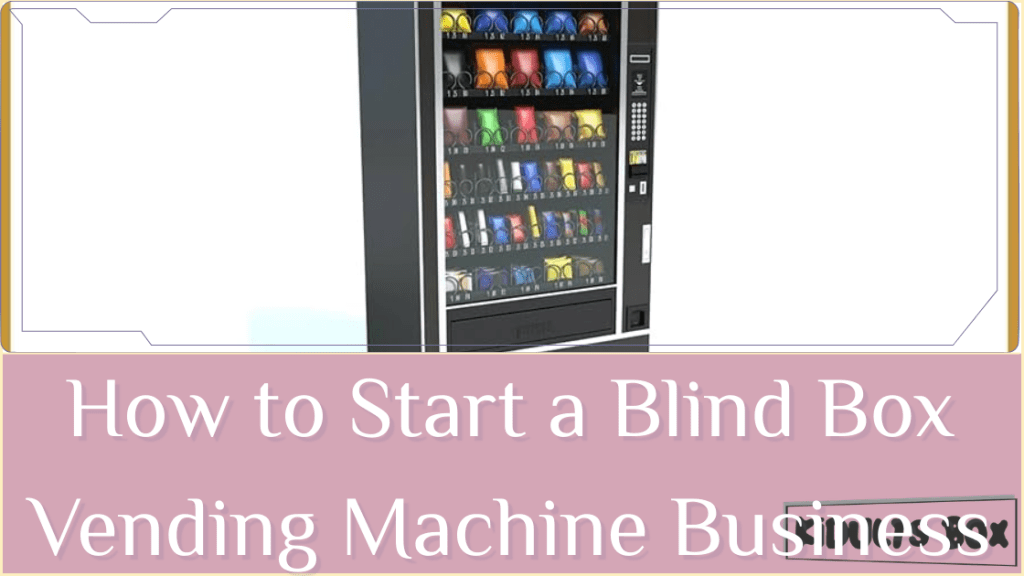
The traditional retail model requires high rent, full-time staff, and constant supervision. In 2026, smart entrepreneurs are bypassing these overhead costs by entering the “Unmanned Retail” sector. At the forefront of this movement is the Blind Box Vending Machine (Roboshop).
You have likely seen them in shopping malls, movie theaters, and airports: brightly lit machines dispensing Pop Mart figures or Bebé Tres plushies 24/7. They act as automated, high-margin, cash-generating assets. For retail partners of KidultsBox, adding a fleet of vending machines is the ultimate way to scale your business without scaling your payroll. This comprehensive guide will walk you through the hardware, location strategy, and inventory management required to succeed.
1. The Hardware: Choosing the Right Machine
Not all vending machines are created equal. If you try to sell a delicate art toy in a traditional soda machine, the drop will damage the box, leading to refunds and angry customers. You need specialized hardware.
A. The Coil/Spiral Machine (The Budget Option)
These are traditional snack machines modified for toys. The coil turns, and the box drops to the bottom collection bin.
- Pros: Cheap to purchase (often under $1,500 used), widely available, easy to repair.
- Contras: The “Drop.” A 4-foot drop will dent a cardboard blind box, which ruins the collectible value. Fix: You must install a thick foam pad or “elevator lift” bucket at the bottom, which adds to the cost. Furthermore, standard coils often jam on perfectly square boxes.
B. The Conveyor Belt / Elevator Machine (The Professional Choice)
This is the standard for high-end Roboshops. An internal robotic arm or elevator basket moves to the exact row, the product is gently pushed onto the belt, and the elevator lowers it safely to the dispensing slot.
- Pros: Zero drop damage. Perfect for selling high-ticket items like $20 BJD dolls or $30 plush toys. Accommodates various box sizes effortlessly.
- Contras: Higher initial investment ($3,000 – $6,000 per unit). Requires a stable internet connection for the robotic software to function correctly.
Hardware Insight: The Touchscreen Interface
In 2026, a machine without a massive LCD touchscreen is obsolete. Customers do not just want to press a physical button; they want to view high-resolution 3D videos of the figures inside the blind box before they buy. A 32-inch+ screen allows you to run promotional videos for KidultsBox products on a loop, turning your machine into a billboard that attracts foot traffic.
2. Location Strategy: The “High Dwell Time” Rule
A vending machine’s profitability is 90% dictated by its location. You do not just want high foot traffic; you want Tiempo de permanencia elevado (places where people are forced to wait and are easily bored).
| Location Type | Vibe & Demographic | Por qué funciona | Ideal Inventory |
|---|---|---|---|
| Movie Theaters | Entertainment, Date Nights, Families. | High dwell time before the movie starts. Customers are already in a “treat yourself” spending mindset. | Cinematic IPs, High-end plush (Kimmon), Couples’ gifts. |
| Boba Tea / Dessert Shops | Gen Z, Teens, College Students. | Waiting 10 minutes for a drink is boring. The aesthetic of boba shops perfectly matches Kawaii toys. | “Ugly Cute” trends, Bag Charms, Baby Three Macarons. |
| Transit Hubs (Airports/Train Stations) | Travelers, Business people, Tourists. | Extreme boredom. Last-minute souvenir shopping. High disposable income. | Locally themed items, high-ticket designer vinyls (Skullpanda), Easy-to-pack sizes. |
| Indoor Arcades / Dave & Buster’s | Gamers, Competitive groups. | The environment is already primed for “gacha” and claw machine mechanics. Blind boxes fit seamlessly. | Mecha, Anime IPs, Action-oriented figures. |
Negotiation Tip: Do not offer a flat monthly rent to the location owner. Offer a Revenue Share (typically 10% to 20% of gross sales). This aligns their interests with yours—they will put your machine in a better spot because they make more money when you make more money.
3. Sourcing & Merchandising: The KidultsBox Advantage
Stocking a vending machine requires a different strategy than stocking a retail shelf. You need to maximize the visual appeal of the machine’s “Planogram” (the layout of the rows).
The Visual Gradient
Organize your machine by color, not just by brand. If the top row is entirely pink boxes, the middle row is blue, and the bottom is yellow, the machine becomes an aesthetic focal point. KidultsBox provides high-res box art so you can plan your machine’s layout digitally before loading the physical stock.
The “Anchor” Product
You must have an “Anchor”—a highly hyped, recognizable product that draws people in. Currently, Pop Mart Labubu or viral Llaveros de felpa serve this role perfectly. Even if they only make up 10% of your inventory, they are the bait that gets the customer to walk up to the screen.
The Profit Maximizer (High Margin Stock)
Once the customer is at the machine, they might decide the $25 anchor product is too expensive. You need to offer $10-$15 alternatives right next to it. By sourcing indie brands or trending secondary IPs from KidultsBox at deep wholesale discounts, you can achieve 60-70% profit margins on these secondary sales.
4. Operations: Telemetry & The “Empty Slot” Killer
The biggest mistake new operators make is treating the machine as “passive income” and ignoring it for weeks. In the vending business, an empty slot is lost revenue.
Telemetry Software: Modern machines come with cloud-based inventory tracking (Telemetry). You can check your phone to see exactly which row is sold out. Set up alerts so that if an “Anchor” product drops below 3 units, you know to restock.
The Restock Route: Optimize your time. If you have 5 machines, do not drive to them randomly. Plan a weekly “Restock Route.” Bring pre-packed, organized boxes from your KidultsBox master cartons so you can load a machine in under 15 minutes.
5. Financial Modeling: ROI Expectations
Is it worth it? Let us look at a conservative baseline model for a single premium elevator machine in a medium-traffic mall.
- Hardware Cost: $4,000 (Amortized over 3 years)
- Monthly Rent/Rev Share: $300
- Average Sales per Day: 8 Boxes
- Average Revenue per Box: $18
- Gross Monthly Revenue: $4,320 (8 boxes * $18 * 30 days)
- COGS (Cost of Goods from KidultsBox): ~$1,700
- Estimated Monthly Net Profit (Before taxes/labor): ~$2,320
In this scenario, the machine pays for its own hardware cost in less than two months. Everything after that is highly profitable cash flow.
Preguntas más frecuentes (FAQ)
Q: Do I need special licenses to sell blind boxes in a machine?
A: Generally, no special “gambling” licenses are required in the US or EU, as blind boxes are classified as retail toys (you always receive a physical product of value). However, you will need a standard local business license and a seller’s permit to operate a vending machine in your municipality.
Q: How do I handle jammed machines or customer refunds?
A: Modern telemetry systems allow you to remotely issue a refund or trigger a “free vend” directly from your smartphone if a customer calls the support number posted on the machine. Always place a clear, professional sticker on the machine with a Google Voice number or support email.
Q: What is the optimal temperature for the machine?
A: If your machine is placed outdoors or in a non-climate-controlled transit hub, heat is your enemy. Temperatures above 90°F (32°C) can cause PVC figures to warp or paint to become sticky. Always place machines indoors, out of direct sunlight.
Q: Can I mix plush toys and vinyl toys in the same machine?
A: Yes! In fact, we highly recommend it. Elevator machines handle plush blind boxes (like Baby Three) perfectly. Mixing textures and price points appeals to a wider demographic of passersby.
Ready to build your Roboshop empire? Contact KidultsBox today for bulk wholesale pricing on the most viral blind boxes, perfectly sized for vending operations.