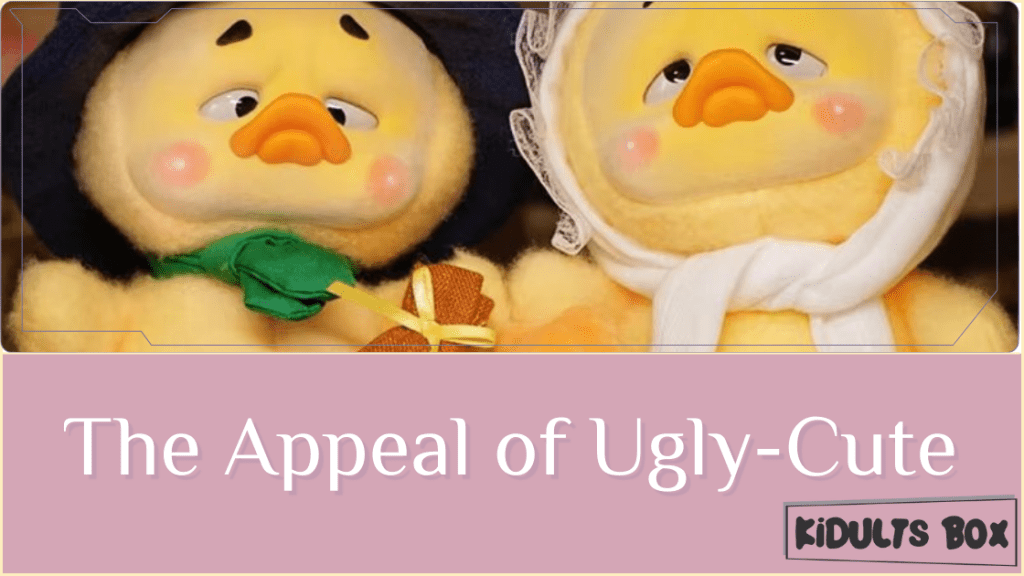





Judging a cute character product for your shelves means committing before you know whether it becomes a steady seller, a display accent, or a slow-moving novelty. The UpSetDuck Act Cute Duck may photograph as shelf-friendly, but a profitable buying decision depends on assortment fit, packaging condition, quote clarity, freight impact, and reorder timing — not on the product photo alone.
This guide is written for retailers, gift shops, toy boutiques, museum stores, lifestyle shops, and online sellers comparing cute duck gifts or character collectibles. It does not assume unsupported details about stock, MOQ, certification, or delivery. Instead, it gives buyer-side questions and checks you can use before requesting a quote or placing a test order.
Give the Cute Duck a Job on Your Shelf Before You Ask for Pricing
A cute character line should have a job on the shelf. Before asking for pricing, define whether the item is meant to attract impulse buyers, support a themed display, increase average order value, or refresh an existing collectible section.
Different retail buyers may evaluate the same duck-themed product in different ways:
- Tourist gift shops may care most about compact packaging, easy browsing, and low-friction impulse appeal.
- Toy and collectible stores may compare the line against other designer characters, blind box series, or figure formats.
- Bookstores and lifestyle shops may use cute duck gifts as counter displays, desk accessories, or small seasonal add-ons.
- Online sellers should check whether product photos, dimensions, and packaging details are complete enough for accurate listings.
- Seasonal pop-up shops need to know whether the order quantity can sell through within a limited event window.
A useful decision rule: if the product cannot be explained to staff in one sentence, it may need stronger display support. For example, “a cute duck collectible for desk, gifting, and character fans” is easier to sell than a product that only looks good in supplier photos.
How the Act Cute Duck Should Earn Its Shelf Space
The Act Cute Duck should be compared with nearby shelf options, not judged in isolation. If your store already carries character collectibles, ask whether this duck line adds a new mood, price position, size profile, or customer use case.
For buyers already studying the brand universe, the Guía de proveedores de UpSetDuck «Born This Way» can help you compare another UpSetDuck-related product angle before building a wider assortment.

| Buyer question | What to check before ordering | Why it matters |
|---|---|---|
| Will customers understand it quickly? | Character expression, product format, display photo, and visible packaging front | Impulse products need fast recognition, especially near checkout areas. |
| Does it duplicate another item? | Compare color mood, size, and price position against existing cute figures or gifts | Too many similar items split demand and slow sell-through. |
| Is it gift-ready? | Confirm outer box condition, hangtag or display orientation, and whether packaging is retail-facing | Gift shops often sell the package as much as the product. |
| Can staff merchandise it easily? | Ask for case count, display suggestions, and product dimensions | Small items can disappear on shelf without clear grouping. |
| Will it work online? | Request clean product images, SKU names, dimensions, and packaging photos | Incomplete listing data increases customer service questions. |
| Is the order mix flexible? | Ask whether styles, assortments, or case quantities are fixed or selectable | Assortment rigidity can create unwanted duplicates or weak variants. |
| What is the damage risk? | Review material, fragile parts, box protection, and carton packing method | Damaged packaging can reduce gift value even if the product is intact. |
| Can the line be reordered? | Ask about availability process and whether future batches may vary | Reorder uncertainty affects how aggressively you promote the product. |
If you sell multiple collectible styles, it can also be useful to benchmark duck-themed items against nature or fantasy themes. For example, the Echo Forest Whisper Blind Box guide shows how a different aesthetic can serve a more atmospheric display story.
Turn Product Photos Into Confirmed Buying Specifications
Photos help with first impressions, but they are not a purchase specification. Before comparing quotes, convert the visual appeal of cute duck gifts into measurable details that every supplier can answer consistently.
Ask for the following before treating a quote as complete:
- Exact product format: figure, blind box, plush, keychain, accessory, or mixed product type.
- Product size and packaged size, preferably with unit measurements.
- Material description and any parts that may bend, break, detach, or scratch.
- Whether the item is sold individually, by display box, by inner carton, or by master carton.
- Assortment structure, including whether styles are fixed, random, or selectable.
- Packaging photos from front, back, side, and inside carton if available.
- Barcode, label, language, and destination-market marking details, if required by your channel.
Do not compare one supplier’s unit quote with another supplier’s carton quote unless the same inclusions are confirmed. A lower unit number may not include the same packaging level, assortment control, or freight basis.
As a planning reference, a retailer may create a simple test matrix such as 1 counter display, 1 themed shelf display, and 1 online listing group. The actual order quantity should depend on supplier MOQ, case pack, cash flow, and expected sell-through, not on a fixed example number.
If you are comparing small display-friendly character items, the Kimmon 200% Spring New Growth figure guide offers another example of how size and shelf presence can affect retail planning.
Before you send the inquiry: prepare one short specification sheet with product format, target quantity, destination, packaging expectations, and launch date. Sending the same sheet to each supplier makes the replies easier to compare line by line.
Plan Case Depth Without Letting Cuteness Decide the Quantity
Cute character products can invite overbuying because the first impression is strong. A safer buying approach is to separate emotional appeal from inventory math.
Start by estimating where the product will sit:
- Counter basket: lower depth, faster impulse testing, frequent restock checks.
- Dedicated character shelf: more units needed to look intentional and avoid a thin display.
- Seasonal gift table: quantity tied to a campaign window, not long-term storage.
- Online listing: quantity should account for photo setup effort, packing labor, and customer service needs.
Ask the supplier whether MOQ is based on units, display boxes, cartons, or mixed cases. Also confirm whether the case pack supports your display plan. For example, if a counter display needs a visually full group, one small case may look too light; if the product is only a small add-on, multiple cartons may tie up cash too early.
For blind box or assorted character formats, ask whether the assortment is random or controlled. Random assortments can create excitement, but they also affect duplicate risk and customer expectations. If your store serves collectors, staff should understand whether buyers can choose styles or are purchasing surprise items.
For comparison, larger character formats such as those discussed in the Baby Three Sweet Dream 400% figure guide usually require a different shelf and cash-flow logic than compact impulse gifts. Use that contrast when deciding whether the Act Cute Duck belongs in a small-gift zone or a feature display.
Calculate Duck Gift Profit From Carton to Checkout
A quote is only the starting point. Gift-shop buyers should calculate landed cost before deciding whether a duck-themed collectible can meet the target retail price. Landed cost may include product cost, inner or master carton packing, freight, import-related charges, payment fees, local delivery, damage allowance, and any relabeling or listing work.
Ask suppliers to clarify the quotation basis. If terms or shipping responsibilities are unclear, request a written explanation before payment. Buyers should also verify customs, labeling, and import requirements for their own destination market, especially for products sold to children or products with small parts.
A practical comparison sheet may include:
- Unit cost at each quoted quantity tier, if tiers are offered.
- Units per display box, inner carton, and master carton.
- Carton dimensions and gross weight for freight estimates.
- Packaging type and whether retail boxes are included.
- Estimated freight method and who is responsible for booking it.
- Payment schedule and what happens if the order changes before dispatch.
- Expected restock process, without assuming future availability is guaranteed.
A useful decision rule: if two quotes differ, find the missing line item before choosing the cheaper option. One quote may include better carton protection or retail packaging, while another may be only a basic unit price.
Protect Gift-Ready Duck Packaging Before It Reaches the Shelf
For gift shops, packaging condition directly affects sellability. A product can arrive physically intact but still lose retail value if the box is crushed, scuffed, faded, or difficult to display.

Request packaging photos before ordering and ask how units are protected inside the carton. If the product has delicate parts, glossy surfaces, flocking, painted details, or window packaging, add specific inspection points to your receiving checklist.
Use a simple receiving check when stock arrives:
- Count cartons before opening and note visible outer damage.
- Check a sample of retail packages from the top, middle, and bottom of the carton.
- Compare product, packaging, barcode, and assortment against the purchase confirmation.
- Photograph any damage before separating items from original packaging.
- Record sellable, repairable, and unsellable units separately.
- Share clear evidence with the supplier quickly if there is a discrepancy.
Compliance should not be treated as an afterthought. Buyers should confirm age grading, warning labels, material declarations, and any destination-specific requirements with qualified parties or their import partners. Do not assume that a cute appearance means the product automatically fits every retail channel.
Reading a Cute Duck Quote: Warning Signs Before You Wire Funds
A professional quote should reduce uncertainty. If a supplier reply creates more questions than answers, slow down before committing funds.
Watch for these red flags:
- Only lifestyle photos are provided, with no packaging, size, or carton details.
- MOQ is stated, but the case pack or assortment method is missing.
- The quote does not explain whether pricing is per unit, per box, or per carton.
- Freight details are vague, especially if the product is needed for a launch date.
- Packaging condition is not discussed even though the product is gift-oriented.
- Supplier answers change between messages without a revised written confirmation.
- Compliance or labeling questions are dismissed instead of documented.
Use this inquiry template to make the next reply more useful:
Hello, we are evaluating the UpSetDuck Act Cute Duck for retail gift-shop sales. Please confirm product format, available styles or assortment structure, unit and packaged dimensions, MOQ, case pack, carton dimensions and weight, packaging photos, quote basis, estimated dispatch process, and any labeling or compliance documents available for review. Our destination market is [country/region], and our target selling window is [month/event]. Please also confirm whether future reorder availability may vary.
Ready to move forward? If the Act Cute Duck fits your customer profile, request a written quote with specifications, carton data, packaging photos, and reorder notes before approving a test order. A clear comparison now can prevent margin, display, and customer-service problems later.
PREGUNTAS FRECUENTES
Is the UpSetDuck Act Cute Duck suitable for gift shops?
It may be suitable if the product format, packaging, price position, and shelf story match your customer base. Buyers should confirm specifications, case packs, and packaging condition before ordering.
What should I ask before buying cute duck gifts in bulk?
Ask about product format, dimensions, materials, MOQ, case pack, assortment structure, carton size, packaging photos, quote basis, freight responsibility, and any labeling requirements for your market.
How can I avoid overbuying a cute character product?
Start with a display plan and estimate the quantity needed for a counter area, shelf feature, online listing, or seasonal table. Do not let product photos alone determine order depth.
Why does packaging matter so much for duck-themed gifts?
Gift-shop customers often judge the item and the package together. Crushed, scuffed, or poorly presented packaging can reduce sellability even when the product itself is not damaged.
Should I compare the UpSetDuck Act Cute Duck with other collectible lines?
Yes. Compare it with nearby products by character style, size, packaging, target buyer, price position, and reorder risk so it adds variety instead of duplicating existing stock.
Before You Add the Duck Line to Your Shelf
The UpSetDuck Act Cute Duck should be evaluated as a retail program, not just a cute product image. The strongest buying decisions come from matching the character to a customer use case, confirming specifications, checking carton-level cost, protecting packaging, and documenting quote assumptions.
Before you commit, build a side-by-side quote sheet and ask every supplier the same questions. If the answers are complete, comparable, and aligned with your selling window, you will be in a much stronger position to test, display, reorder, or decline the product with confidence.