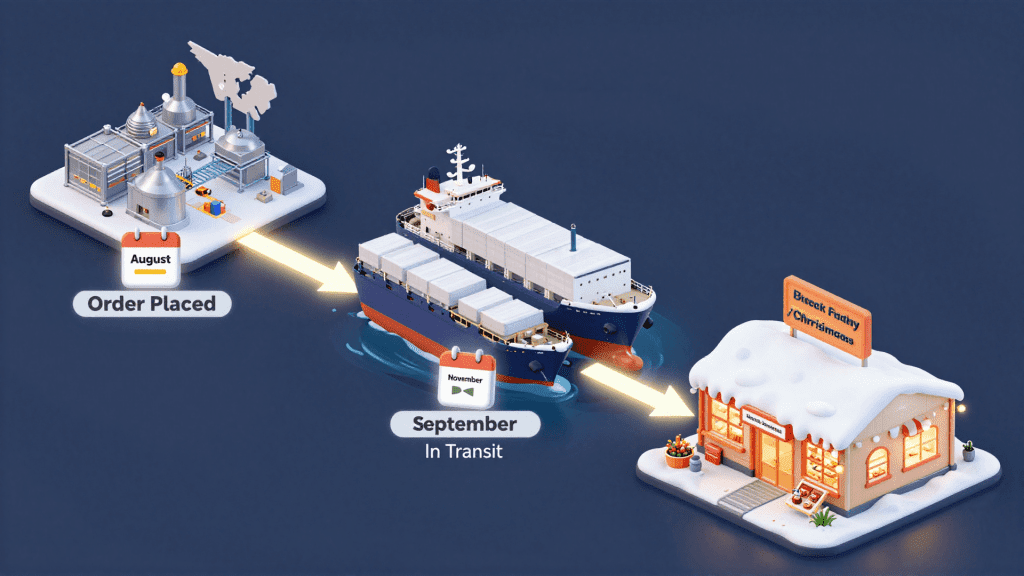




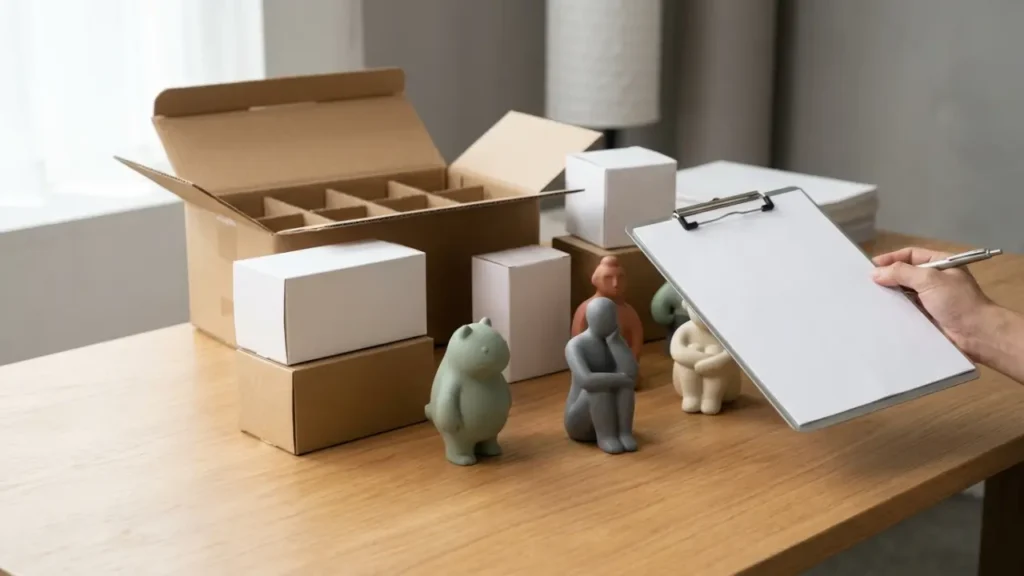
A low set price means little if the shipment arrives with a different assortment, opened boxes, or packaging you cannot sell at full retail. Before ordering HIRONO Reshape wholesale, pin down exactly what the supplier means by a figure set and what evidence backs up that description.
Collectible stores, online sellers, and convention retailers each carry different inventory risks. A store selling individual sealed boxes needs dependable retail packaging; a seller advertising complete sets needs written confirmation of set composition. Treat product counts, materials, dimensions, assortment rules, and availability as details to verify, not assumptions drawn from listing photos.
What Does a HIRONO Reshape “Set” Actually Include?
Terms such as set, display box, e case are not interchangeable. A supplier may use “set” to describe a sealed display, a selection of loose boxes, or opened figures assembled into an identified collection. Each format supports a different retail promise.
Ask for the exact series name, product identifier, packaging version, and a written breakdown of the quoted selling unit. Use the following checks before comparing prices.
| Check | Evidence to request | Buying decision |
|---|---|---|
| Identidade da série | Current photos of retail packaging and product identifiers | Match the quote to the intended Reshape release, not a general HIRONO listing. |
| Quoted unit | Individual boxes per set, sets per carton, and total boxes | Convert every offer to the same unit before comparison. |
| Set composition | Written explanation of random, non-duplicate, or identified contents | Advertise only the assortment promise supported by that explanation. |
| Sealed condition | Photos showing the applicable retail and display closures | Separate original sealed merchandise from opened or repacked stock. |
| Special variants | Documented inclusion or substitution rules, if applicable | Do not assume a special figure is included or additional. |
| Especificações da figura | Manufacturer-listed materials, dimensions, and included accessories | Confirm shelf fit and listing accuracy without guessing from photos. |
| Supply provenance | Invoice details and available upstream sourcing documentation | Investigate unsupported authenticity claims before payment. |
| Packaging version | Photos of language, warnings, barcodes, and importer information where applicable | Check suitability for the intended destination and sales channel. |
A non-duplicate assortment does not automatically mean every regular design is present. If the supplier cannot explain what “complete” means, avoid promising a complete collection to your customers.
Match the Reshape Order Unit to Your Sales Channel
Your opening quantity should follow how customers will buy, not merely the smallest advertised wholesale tier. Confirm whether the MOQ applies to individual boxes, sets, cartons, or the total mixed order.
- Lojas de artigos colecionáveis: establish whether displays can be split into individual retail boxes without disturbing those boxes’ seals.
- Vendedores online: distinguish listings for random sealed boxes from listings for identified figures. Confirm the dimensions you need for protective shipping packaging.
- Convention sellers: assess transport space and display needs. Opening a sample for a booth should not leave an advertised complete set incomplete.
- Gift shops: check whether packaging communicates the random-selection format and applicable age guidance clearly enough for unfamiliar buyers.
Ask whether additional quantities must follow full-set or full-carton increments and whether mixed-series ordering is permitted. For example, a retailer weighing a two-set opening order against a four-set order should estimate both shelf capacity and cash tied up in unsold inventory, rather than choosing the larger order solely for a lower unit quote.
If your opening budget spans several collections, this guide to planning blind box purchases for a small store can help you allocate it. Comparing other figure lines? The CRYBABY figure series comparison for retailers offers another assortment-planning reference; it does not establish Reshape specifications.
Why the Cheapest Reshape Set May Cost More to Sell
Request quotes on an identical basis: the same product version, set definition, quantity, packaging condition, currency, and delivery terms. An offer excluding freight cannot be compared directly with a delivered quote.
Estimated landed cost per sellable unit = total acquisition and inbound costs divided by the expected number of sellable units. Include merchandise, freight, insurance if selected, applicable duties, non-recoverable taxes, brokerage, payment charges, and destination handling. Review tax treatment and import charges with an appropriate adviser or broker.
Keep outbound fulfillment and marketplace fees separate from landed cost, then add them back when assessing contribution per sale. For collectible figures, protective mailers, storage, and reduced resale value from damaged packaging can materially change the result.
- Request packed carton dimensions and gross weight for the actual order configuration.
- Ask the freight provider how chargeable weight is calculated.
- Clarify who pays customs clearance, duties, and final delivery charges.
- Compare the standard packing method with any proposed extra protection.
Do not count damaged boxes as fully sellable inventory when testing order economics. Model a downside scenario rather than inventing a damage allowance or assuming every unit will sell immediately.
Before increasing quantity, ask the supplier to reissue the quote with a complete packing breakdown and named delivery terms. That makes the next comparison far more useful than another unexplained per-set price.
Protect Sealed Boxes Without Skipping Figure Quality Checks
For collectible merchandise, packaging is part of the saleable condition. Request current photos of retail boxes, display packaging, internal protection, and the proposed shipping carton. Catalogue images alone cannot demonstrate the condition of an allocated shipment.
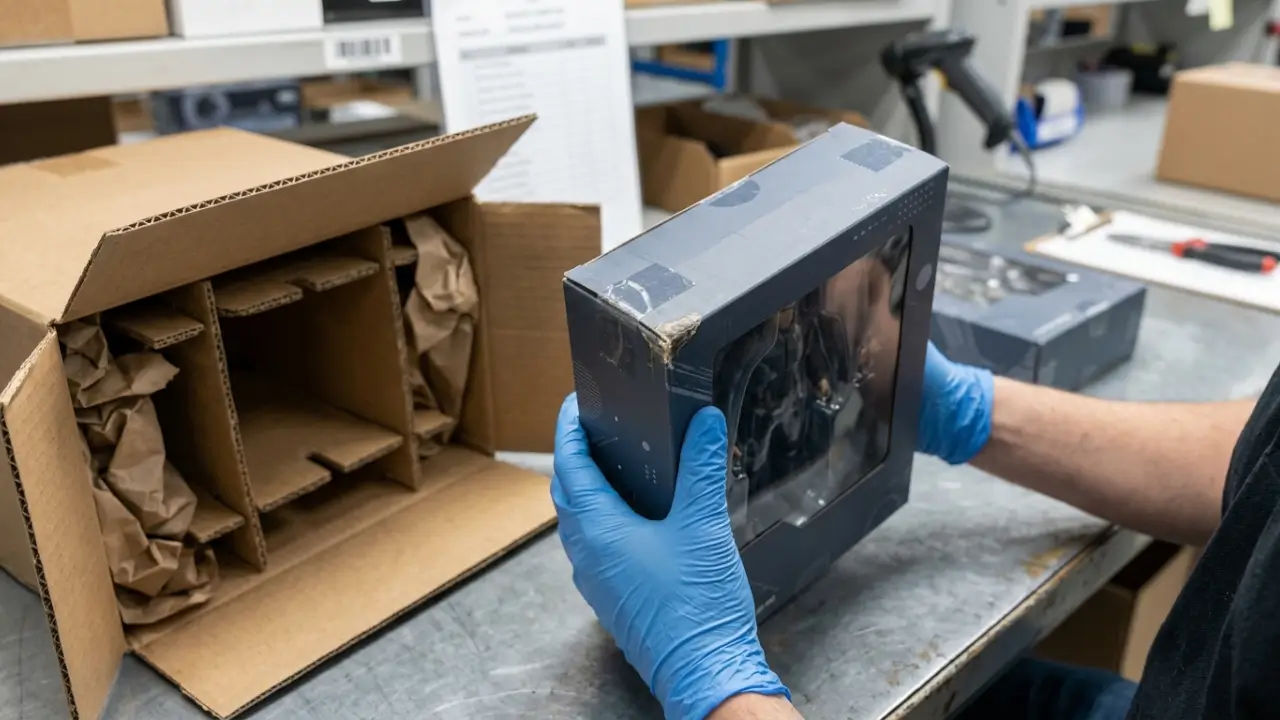
Agree on acceptable condition in writing. Spell out how you will treat crushed corners, tears, moisture marks, dents, and stickers covering original artwork or identifiers. Ask whether shipment labels attach only to the outer shipping carton and whether carton voids will be filled to prevent movement in transit.
Inspection creates a trade-off: opening a retail box allows closer examination but changes its sealed status. Agree whether one designated sample may be opened while the remaining stock stays sealed. Sample checks can cover visible paint defects, loose components, missing stated accessories, and stability where the figure is intended to stand. A sample does not prove the condition of every unit.
Authenticity checks also require more than a seal or barcode. Review the seller’s invoice identity, available supply documentation, and any manufacturer-provided verification method where applicable. Do not describe a seller as authorized without evidence supporting that specific claim.
Verify applicable product classification, safety documentation, warnings, labeling, and importer obligations for your destination market. Calling an item a collectible does not automatically exempt it from product-safety rules. Online retailers should also review channel-specific documentation needs before building listings; this guide to selecting blind boxes for online merchandise stores offers related planning context.
When a Reshape Delivery Promise Is Not Ready for Your Launch
Separate stock confirmation, allocation, dispatch readiness, carrier transit, customs clearance, and final delivery. “Available” may not mean the quoted quantity is reserved, and dispatch is not the date merchandise reaches your shelf.
For an event or scheduled release, give the supplier your required receipt date and destination postcode. Ask which timing elements are estimates and what happens if allocation or dispatch changes. Avoid taking customer preorders based only on an informal shipping message.
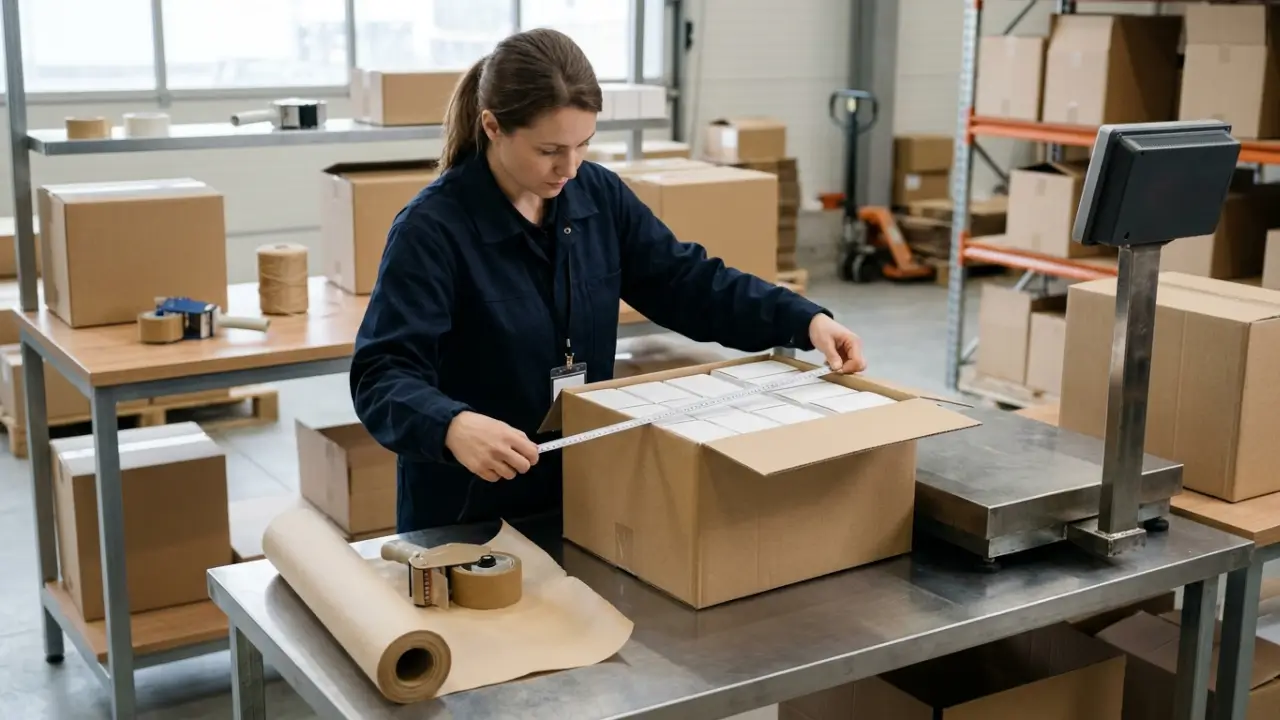
Once sales data exists, plan reorders against expected demand during the replenishment window plus an appropriate buffer. Track complete-set availability separately from individual-box inventory: enough loose boxes to equal a set numerically may not satisfy a complete-set listing.
Pause an order when these warning signs remain unresolved:
- Changing unit descriptions: the invoice says “case” while the conversation says “set,” with no quantity reconciliation.
- Unsupported assortment promises: “all designs guaranteed” appears without an explanation consistent with the supplied format.
- Unexplained payment identity: the requested payee differs from the invoicing entity without a documented reason.
- Vague damage remedies: the supplier promises to help but will not state claim deadlines, evidence requirements, or remedy options.
Send a Reshape Inquiry That Can Become a Purchase Order
A useful inquiry gives the supplier enough information to quote the actual order. Include your destination, sales channel, preferred sealed or identified format, desired quantity, and required receipt date. Ask the supplier to mark uncertain details explicitly rather than leaving gaps.
Please quote HIRONO Reshape for delivery to [country and postcode]. Our intended sales channel is [channel], and our preferred format is [sealed boxes, sealed sets, or identified figures].
Please confirm the product identifier and packaging version; boxes per set and sets per carton; assortment rules; sealed condition; MOQ and ordering increments; current availability and allocation conditions; unit and total price with currency; packed dimensions and weight; delivery terms; and estimated dispatch and transit timing.
Please provide current packaging photos, available sourcing documentation, and applicable product information for destination-market review. State payment terms, quote validity, shortage and damage claim requirements, and proposed remedies. Our desired quantity is [quantity], with a required receipt date of [date].
Request a written, itemized quote using this brief before paying for an opening order. Reconcile the final invoice with the agreed contents, condition, freight scope, and payment recipient. Keep the confirmed specifications and supporting photos with the purchase record.
PERGUNTAS FREQUENTES
Does a HIRONO Reshape set contain every regular figure?
Do not assume it does. Ask whether the quoted set is random, non-duplicate, or an identified complete collection, and request written confirmation of any variant substitution rules.
What is the wholesale MOQ for HIRONO Reshape?
No verified MOQ is provided here. Ask each supplier whether its minimum applies to boxes, sets, cartons, or order value, and confirm the increments required for additional quantities.
How can buyers check authenticity before ordering?
Review current packaging photos, invoice identity, available sourcing documentation, and any applicable manufacturer verification method. A barcode, intact seal, or seller assurance alone is not conclusive evidence.
Should buyers open boxes during inspection?
Agree on a designated inspection sample if figure-level checks are needed. Keep the rest sealed when that is the intended retail format, and document that an opened sample cannot be sold as unopened stock.
What information is needed for a useful freight estimate?
Provide the destination postcode and order quantity, then request packed carton dimensions, gross weight, delivery terms, and the included charges. Separate dispatch preparation from transit and customs timing.
Before You Commit to the First Reshape Order
Proceed only when the quoted unit, assortment promise, packaging condition, and delivered-cost assumptions are clear enough to support your retail listing. Start with a quantity justified by your sales channel, document the agreed inspection and claim process, and use actual sell-through to guide the next order.