


Product photos create excitement, but they rarely answer the commercial questions that decide whether a fantasy doll line will actually work in-store. Before adding the Lulu Elf BJD blind box to a retail assortment, buyers need to confirm audience fit, case planning, packaging durability, quote comparability, and reorder timing.
This guide is written for toy shops, anime retailers, gift stores, collectible sellers, and online blind box merchants evaluating an elf-themed BJD doll series. It does not assume stock, MOQ, price, licensing status, or shipping terms. Instead, it gives a practical checklist for asking better supplier questions and comparing offers with fewer surprises.
Which Shops Are a Real Fit for an Elf BJD Doll Line?
An elf-style BJD blind box is usually most relevant to retailers that already sell cute fantasy characters, art dolls, anime-inspired collectibles, or decorative desk toys. The buyer question is not simply whether the product looks attractive. It is whether the theme matches the store’s current customer behavior.
Use the following decision rule: if customers already buy character figures, doll accessories, fantasy plush, or mystery-box collectibles, an elf-themed doll may fit naturally. If the shop mainly sells low-price stationery or impulse keychains, the buyer may need to test a smaller opening quantity first, depending on supplier terms.
- Anime and collectible shops: Compare the elf theme with darker, cuter, or story-driven BJD ranges.
- Gift stores: Review whether the packaging is giftable without extra wrapping.
- Online blind box sellers: Confirm whether product images, case details, and character lineup information are available for listing pages.
- Pop-up shops and events: Estimate whether the visual theme is strong enough for table display and social sharing.
For wider BJD category context, buyers can also compare this elf-themed concept with other art doll buying guides such as Creator’s Essence BJD Blind Box and the darker cute styling of Cooze Devil Horns BJD Doll Blind Box.
Use the Elf Theme to Plan Shelf Placement
The Lulu Elf BJD blind box should be assessed as both a doll product and a mystery-box product. That affects where it sits in the store, what it is displayed beside, and how much explanation the customer needs before buying.
Buyers should ask: will the elf theme sell as a fantasy collectible, a cute gift, an art doll, or a blind box surprise? The answer may change the display strategy. A fantasy-focused shop might place it near other woodland, fairy, or magical themes. An anime shop may place it near BJD dolls and character collectibles. A gift retailer may position it near boxed novelty gifts, provided the packaging looks presentable.
A practical test is to imagine the product on three shelves: a premium collectible shelf, a general blind box shelf, and a gift counter. If the product only works in one position, order planning should be more conservative. If it fits multiple zones, the retailer may have more flexibility to move slow units before markdowns become necessary.
Compare Doll Details Before Comparing Unit Quotes
A low unit quote is not useful if buyers are comparing different product assumptions. BJD blind boxes can vary by doll size, articulation, material feel, accessories, packaging style, case configuration, and character lineup. Before judging price, request the same specification set from each supplier.
The table below gives a practical evaluation framework. Buyers can copy it into a sourcing sheet and mark each line as confirmed, unclear, or not applicable.
| Ponto de avaliação | What to ask or compare | Why it matters for retail |
|---|---|---|
| Character lineup | Ask how many regular designs are in the series and whether any special styles exist. | Helps plan customer expectations and avoid misleading product listings. |
| Blind box case logic | Confirm whether a carton or display case has a fixed assortment, random mix, or other packing method. | Affects duplicate risk, full-set buyers, and reorder planning. |
| Doll size and articulation | Request dimensions and basic articulation details if available. | Customers may compare it with other BJD dolls or display accessories. |
| Accessories and small parts | Ask what is included in each box and whether parts are removable. | Important for age labeling, customer communication, and loss prevention. |
| Packaging format | Confirm individual box, inner display, master carton, and any protective packing. | Impacts shelf presentation, damage rate, and freight efficiency. |
| Product images and listing assets | Ask what images may be used for online retail listings. | Reduces delays when preparing product pages or preorder campaigns. |
| Labeling and compliance | Check destination-market labeling, safety, and import requirements with the supplier and local advisor. | Helps avoid customs, marketplace, or retail compliance problems. |
| After-sales handling | Ask how missing parts, crushed boxes, or obvious defects are documented and handled. | Clarifies risk before the first shipment, without assuming any guarantee. |
How Blind Ratios and Case Packs Change Inventory Risk
Blind box inventory behaves differently from open-choice dolls. A retailer is not only buying units; the retailer is buying uncertainty. Case pack, character ratio, and duplicate risk can influence sell-through and customer satisfaction.
As a planning example, a shop may want enough units to make the display look complete, but not so many that duplicate designs build up before demand is proven. Another retailer may prioritize full-case selling to collectors who want a better chance at completing a series. Neither approach is automatically better. The right plan depends on customer type and supplier case information.
- Ask whether cases are sealed or mixed: This affects whether buyers can sell full cases as a collector option.
- Confirm if individual boxes are identifiable: If packaging codes or markings exist, buyers should understand how that affects blind-box fairness and customer trust.
- Plan for duplicates: A store that sells individual pulls should decide how it will merchandise repeated designs.
- Avoid assuming full-set probability: Do not advertise complete-set odds unless confirmed and allowed by the supplier.
Retailers comparing more BJD mystery doll formats may also find it useful to review the assortment questions in Ten Thousand Escape Plans BJD Doll Blind Box, especially when building a broader art doll shelf.
Soft CTA: Before requesting a final quote, prepare one short sourcing sheet with the required case quantity, listing needs, packaging expectations, and destination market. A structured request usually makes supplier replies easier to compare.
Why Carton-Level Cost Matters More Than the Unit Quote
For a BJD blind box, buyers should not judge margin only by the quoted unit cost. The more practical number is landed cost per sellable unit after freight, payment fees, import costs, damaged packaging allowance, marketplace fees if applicable, and expected markdowns.
Use a carton-level calculation because doll blind boxes often include packaging volume that can raise freight cost. A compact small item and a boxed doll may have very different shipping economics even when the product count is similar.
As a planning reference, compare two hypothetical offers this way:
- Offer A: Lower unit quote but larger cartons, unclear packing, and uncertain box protection.
- Offer B: Higher unit quote but clearer carton dimensions, better packing explanation, and easier case planning.
Offer A may still be attractive, but only after the buyer estimates freight and damage risk. Ask for carton dimensions, gross weight, units per carton, packing photos if available, and shipping options to the destination. Do not assume the cheapest quoted unit price creates the best retail margin.
Protecting Gift-Ready Elf Doll Boxes in Transit
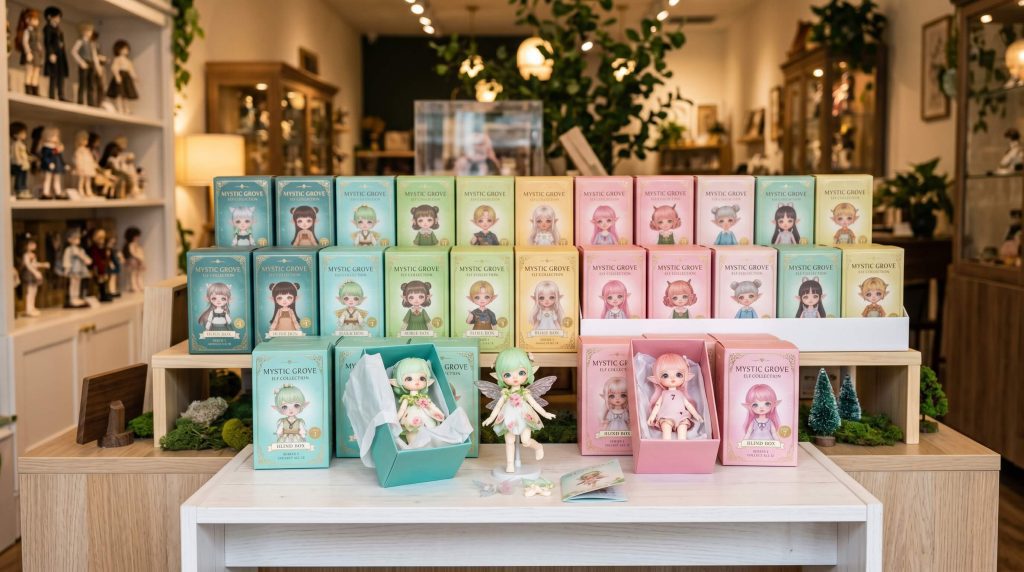
Blind boxes sell partly because of the unopened packaging experience. Crushed corners, dented display boxes, or moisture damage can turn a full-price collectible into a discounted item. Packaging quality should be checked before the order is treated as ready for retail.
Buyers should ask how individual boxes are packed inside the master carton, whether display boxes are included, and how cartons are protected during transit. If the product will be sold online, consider whether individual blind boxes need additional mailer protection when shipped to end customers.
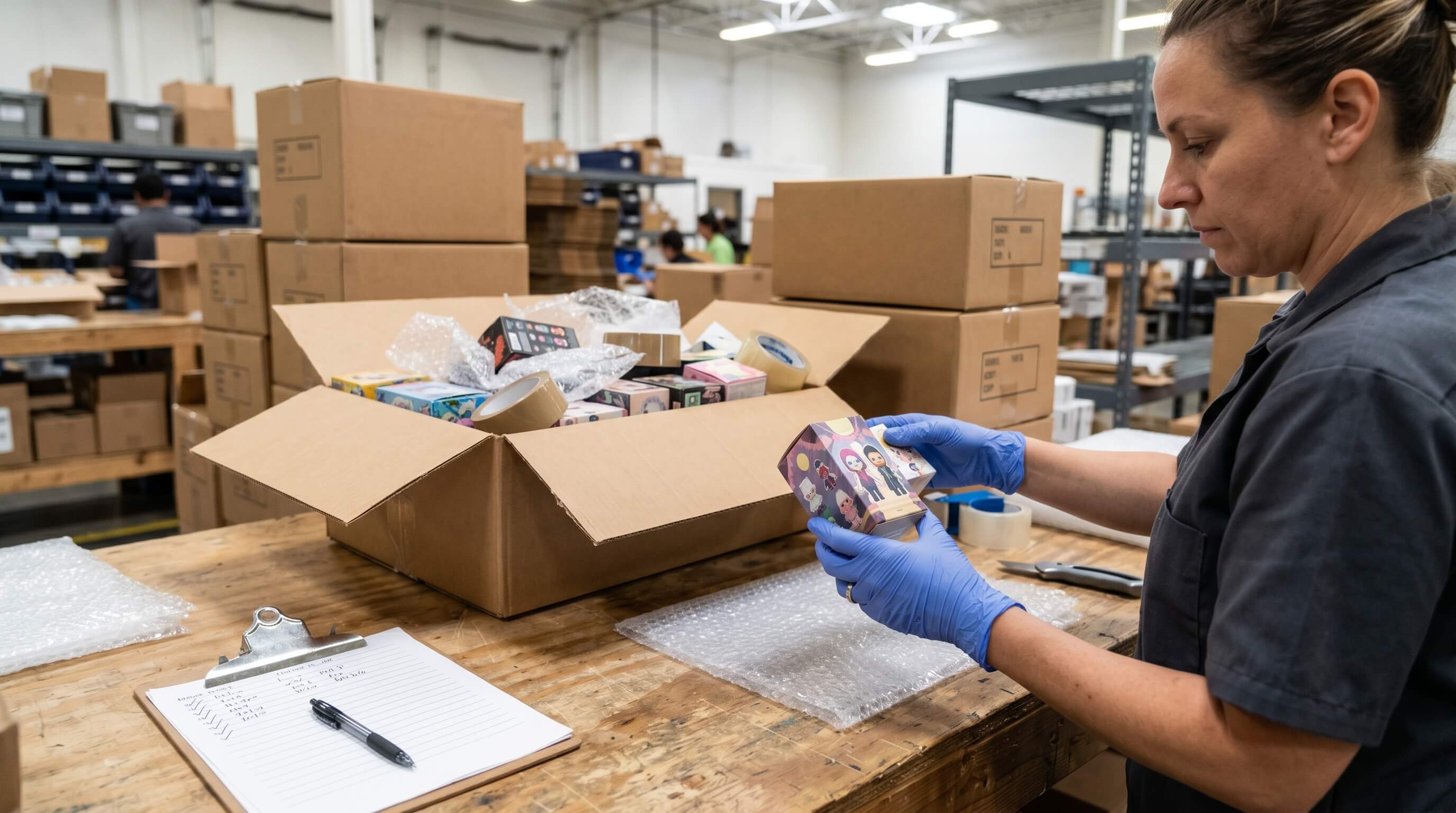
For a first order, buyers often create a simple inbound inspection checklist. For example, inspect outer cartons, count units, photograph any crushed packaging, open a small sample of boxes for visible product issues, and record findings before moving stock to the sales floor. This does not replace formal inspection, but it creates evidence if a supplier conversation is needed.
Compliance should also be handled cautiously. Buyers should confirm age grading, warning labels, small-parts considerations, material declarations, and local rules for the destination market. Requirements can differ by country, sales channel, and product classification, so do not rely on product images alone.
When to Launch a Fantasy Doll and How to Time Freight
Elf themes may work year-round for fantasy collectors, but demand can also rise around gift seasons, conventions, holiday displays, or themed retail events. The buying risk is timing: stock that arrives after the promotion window may need to compete with newer releases.
Ask the supplier for current availability, production or preparation timing if applicable, packing schedule, and shipping options. Treat any lead time estimate as something to verify at the quote stage, especially before advertising a launch date to customers.
A practical reorder rule is to track sell-through weekly after launch. If a first test batch sells steadily and customers ask for more, prepare reorder questions before inventory drops too low. If sales are concentrated only in the first few days, buyers may need to separate collector hype from repeat demand.
For shops that build seasonal blind box calendars, it may help to compare timing logic with other occasion-led products such as the Nanci Christmas Gift Series blind box guide, where launch windows and late-arrival risk are especially important.
Signals That an Elf Doll Quote Needs More Questions
Some quote problems are easy to miss because the product looks attractive. Buyers should slow down when a supplier response does not define the actual commercial offer.
- Only a unit price is provided: Ask for carton quantity, carton size, gross weight, and packing method.
- Assortment details are vague: Confirm character lineup, case logic, and whether special designs are handled differently.
- Product images are inconsistent: Request clarification on which version is being quoted.
- Compliance answers are too broad: Ask what documents or labeling information can be provided, then verify requirements for your market.
- Shipping terms are unclear: Separate product cost from freight, duties, taxes, and delivery responsibilities.
- No damage process is discussed: Ask how visible defects or crushed boxes should be reported after receipt.
Red flags do not always mean a supplier is unsuitable. They mean the buyer does not yet have enough information to compare the quote responsibly.
Inquiry Template for a Lulu Elf BJD Blind Box Quote
A clear inquiry reduces back-and-forth and makes competing quotes easier to compare. Buyers can adapt the template below when contacting a supplier.
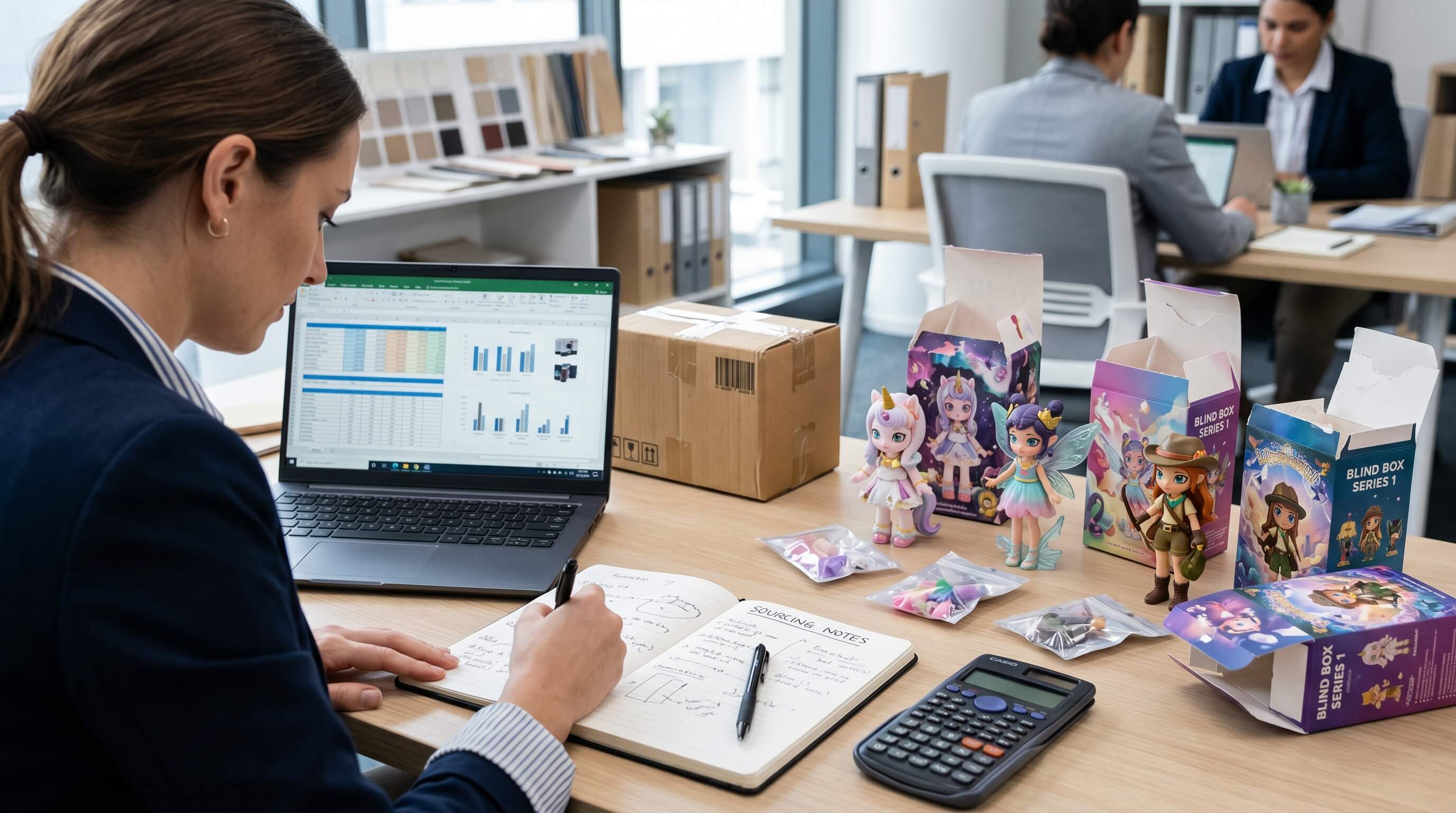
Hello, we are evaluating the Lulu Elf BJD blind box for retail sale in [destination market]. Please provide a quote and product details for the following:
1. Available quantity and ordering terms for a first retail order.
2. Number of designs in the series and case assortment details, if available.
3. Individual box size, display box details, units per carton, carton dimensions, and gross weight.
4. Product photos or approved listing images that can be used for online retail.
5. Packaging method and how blind boxes are protected during shipping.
6. Estimated preparation time and shipping options to [destination].
7. Labeling, age grading, safety, or import information available for our compliance review.
8. Process for reporting missing parts, visible defects, or damaged packaging after receipt.Please separate product cost, freight estimate, and any other charges so we can calculate landed cost per sellable unit.
Stronger CTA: Before placing the first order, send this checklist to each potential supplier and compare replies line by line. If a quote cannot answer the carton, assortment, packaging, and compliance questions, request clarification before paying for stock.
PERGUNTAS FREQUENTES
What should retailers confirm before buying the Lulu Elf BJD blind box?
Retailers should confirm character lineup, case pack, carton dimensions, packaging method, available listing images, destination-market labeling needs, shipping terms, and how damaged or defective items are reported.
Is an elf-themed BJD blind box better for gift stores or collectible shops?
It can fit both, depending on customer base and presentation. Collectible shops should focus on assortment and full-set demand, while gift stores should pay extra attention to packaging condition and shelf appeal.
How can buyers compare quotes from different suppliers?
Compare landed cost per sellable unit, not only unit price. Ask each supplier for the same details: unit quantity, case pack, carton size, gross weight, freight options, packaging protection, and compliance information.
Should retailers order a large quantity for the first launch?
That depends on supplier terms, customer demand, and available cash flow. Many buyers prefer a cautious test order when assortment risk, duplicate risk, or seasonality is uncertain.
What packaging checks matter most for BJD blind boxes?
Check individual box condition, display box structure, carton protection, moisture exposure, and whether packaging remains suitable for full-price retail after shipping.
Before You Place the First Fantasy Doll Order
The Lulu Elf BJD blind box may be a strong fit for retailers that understand fantasy doll customers, blind box behavior, and gift-ready packaging expectations. The commercial decision should be based on confirmed specifications, not only visual appeal.
Build a comparison sheet, ask for carton-level details, verify compliance needs for the destination market, and estimate landed cost before committing. A careful first order gives buyers better information for reorders, pricing, display planning, and future BJD blind box selections.