





The global “Pet Economy” is currently valued at over $300 billion. Millennials and Gen Z are delaying traditional milestones like homeownership and parenthood, instead channeling their disposable income and emotional energy into their “Fur Babies.” For traditional toy boutiques and e-commerce dropshippers, this demographic shift represents an unparalleled retail opportunity.
However, the opportunity extends far beyond traditional toy stores. Non-Endemic Retail—selling products in unexpected environments—is the defining strategy of 2026. High-end pet boutiques, veterinary clinics, and Cat Cafes are realizing that selling a $15 pet-themed designer blind box to a dog owner yields a vastly higher profit margin than selling a $15 bag of dog treats.
By partnering with KidultsBox to source premium, animal-themed Art Toys, you can capture the irrational, emotion-driven spending habits of pet lovers. This comprehensive B2B whitepaper will decode the “Cloud Pet” psychology, map out the aesthetic divide between Cat and Dog collectors, and provide the exact cross-merchandising strategies needed to multiply your store’s Average Order Value (AOV).
1. The Psychology of the “Cloud Pet” (云养宠)
To sell a plastic or plush animal successfully, you must understand the psychological void it fills. In dense urban centers (New York, London, Tokyo, Shanghai), millions of young professionals are forbidden from owning real pets due to strict landlord rules, grueling work hours, or prohibitive veterinary costs.
The “Substitute Pet” Phenomenon
This massive, unfulfilled desire has birthed the “Cloud Pet” (云养宠) economy—where people consume millions of hours of cat and dog content on TikTok to satisfy their craving for animal companionship.
A premium Designer Art Toy is the physical manifestation of a Cloud Pet. When an exhausted corporate worker buys a feline-themed blind box like Floresta Secreta Emma or a puppy from Pop Mart, they are purchasing a low-maintenance, desk-friendly emotional surrogate. The toy requires no feeding, no vet bills, and zero space, but it provides a tangible hit of “Cute Aggression” and dopamine every time they look at their monitor.
2. Feline vs. Canine: The Demographic Divide
Not all animal IPs perform equally. The aesthetic and behavioral traits of cats versus dogs attract completely different types of consumers. You must curate your KidultsBox wholesale orders based on your store’s specific brand identity.
| The Aesthetic / IP | The Cat Series (Feline) | The Dog Series (Canine) |
|---|---|---|
| Core Vibe | Independent, Mysterious, Cozy, “Soft Girl” Aesthetic, Introverted. | Energetic, Loyal, Goofy, Extroverted, Humorous. |
| Target Demographic | Bookstore shoppers, Cafe patrons, Alt-Fashion/Goth-lite, Introverts. | Outdoor lifestyle shoppers, Streetwear fans, Families, Extroverts. |
| Design Language | Usually designed with half-closed eyes, elegant postures, magical or cottage-core props. | Designed with wide eyes, open mouths (smiling), dynamic running/jumping poses. |
| Top IPs to Source | Emma Secret Forest, Peach Riot (Feline variants), Lulu The Piggy (Cat cosplay editions). | Sweet Bean (Puppy themes), Dimoo (Pet companions), Baby Three (Flocked Pups). |
The Retail Strategy: If your store has a “Dark Academia” or cozy reading vibe, heavily over-index on Cat blind boxes. If your store is bright, loud, and focuses on streetwear or pop-culture hype, over-index on Dog and “Meme-Animal” blind boxes.
3. Non-Endemic Retail: The Pet Boutique Hack
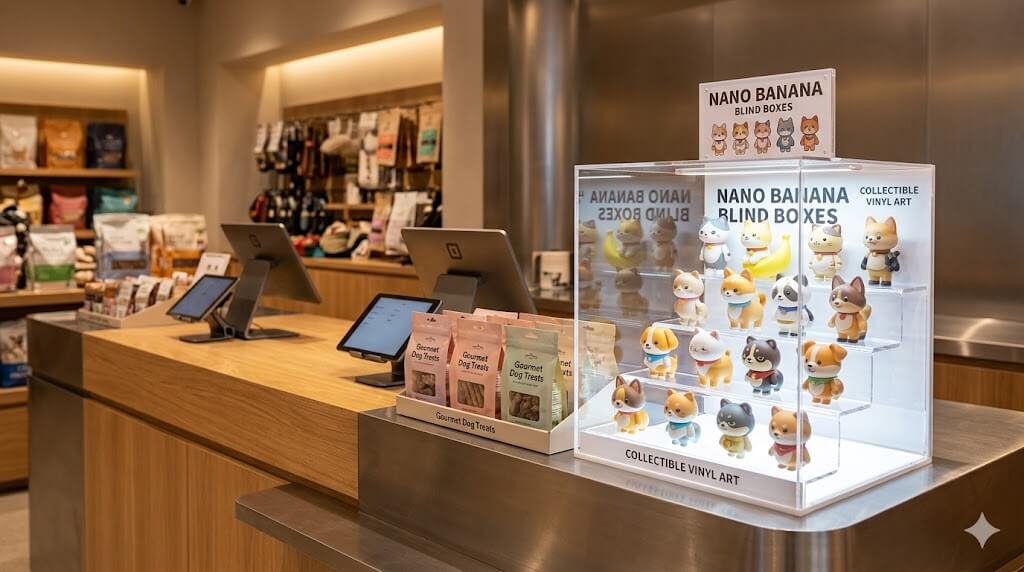
This strategy is for B2B clients who own Premium Pet Stores, Grooming Salons, or Cat Cafes. You are already attracting high-net-worth individuals who treat their pets like children. Why are you only selling them dog leashes?
The margins on commercial pet food are notoriously brutal (often 15% to 25%). The gross margin on a Designer Blind Box from KidultsBox is 50% to 65%.
The “Point of Sale” (POS) Ambush
Place a beautifully lit, clear acrylic tiered display case directly next to your cash register. Fill it with animal-themed blind boxes. Do not mix them with the dog toys. They must be presented as “Gifts for the Human.”
The Script for Pet Store Employees:
“I love your Golden Retriever! By the way, we just got these new imported Designer Blind Boxes in, and this specific series actually has a Golden Retriever ‘Secret’ figure hidden in one of the boxes. Did you want to grab one for your desk?”
The conversion rate on this interaction is astronomically high because you are validating their specific breed preference and offering a “Gacha” thrill.
4. The UGC Goldmine: “Real Pet vs. Plastic Pet”
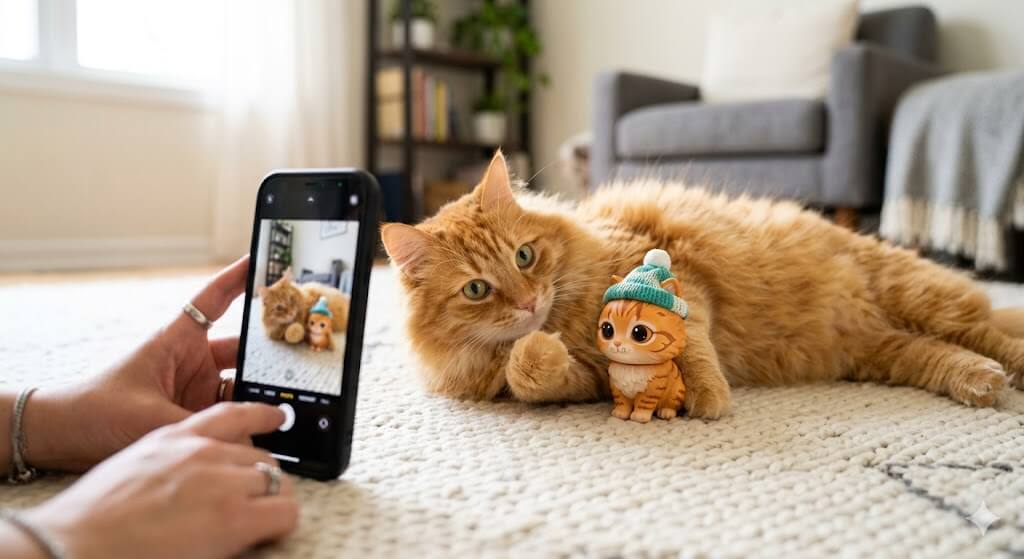
In 2026, social media marketing relies on User-Generated Content (UGC). The absolute most viral content format for animal-themed blind boxes is the “Paw-trait” Comparison.
Pet owners love taking photos of their pets. If they buy a cat blind box from you, they will inevitably place the 3-inch vinyl cat next to their real, sleeping, 15-pound Maine Coon cat and take a photo of the size contrast.
The Retail Marketing Campaign: #MyPetDouble
Leverage this behavior aggressively. Put a sign on your register or an insert card in your e-commerce shipping boxes:
“Does your new Blind Box match your real pet? Post a photo of your new figure sitting next to your real cat or dog on Instagram/TikTok, tag [@YourStoreName], and use the hashtag #MyPetDouble. Every month, we pick our favorite photo to win a FREE Full Case (End Box)!”
The ROI: Pet photos guarantee high engagement on social media algorithms. Your customers’ friends will see the cute photo, see your store tag, and immediately want to buy a box to recreate the trend with their own pets. You are getting hyper-local, viral advertising for the wholesale cost of one case.
5. Material Science: The “Flocked” Liability & The Upsell
When curating animal-themed toys, you will encounter Flocked (植绒) materials. Flocking is the process of applying millions of tiny synthetic fibers to a vinyl toy, giving it a soft, “peach fuzz” texture that perfectly mimics animal fur (e.g., Sylvanian Families or specific Série Kimmon Plush).
While flocked toys are highly desirable because they feel premium and tactile, they have a massive vulnerability in homes with real pets: They are magnet for real cat and dog hair.
If a customer puts a flocked toy on their shelf and their real Persian cat walks past it, the toy will be covered in dander within 24 hours. Trying to clean a flocked toy with water ruins the adhesive, causing “balding.”
The “Problem-Solution” Upsell Strategy
As a professional retailer, you do not hide this flaw; you use it to increase your Average Order Value (AOV).
When a customer brings a flocked animal blind box to the register, the cashier executes the upsell:
“These flocked figures are gorgeous, but just a heads-up, if you have real pets at home, this material attracts pet hair like crazy. Do you want to grab one of our UV-protected acrylic display cubes for $12 to keep it completely dust and hair-free on your desk?”
You have just solved a future pain point for the customer while securing an 80% margin on a cheap acrylic accessory.
6. The “Rainbow Bridge” Market (Memorial Gifts)
This is a delicate but highly relevant market segment. When a pet owner loses a beloved dog or cat (crossing the “Rainbow Bridge”), they often seek physical memorials.
High-end, peaceful, or angelic animal figures (such as those featuring wings or sleeping postures, like Rolife’s Nanci series crossovers) are frequently purchased as memorial items for a desk or a mantle.
If your store offers “Confirmed” (Opened) Figures, this demographic is highly lucrative. A customer grieving a Siamese cat will not want to gamble on a blind box; they will gladly pay a 30% premium to buy the “Confirmed” Siamese cat figure directly from your glass display case to serve as a comforting memorial. Always keep a stock of confirmed, popular breeds available for this exact buyer intent.
Perguntas frequentes (FAQ)
Q: Can I sell these toys in a veterinary clinic?
A: Yes! Vet clinics often have small retail sections for prescription food and treats. Placing a small, sleek display of “Healing” aesthetic animal blind boxes (like sleepy cats or cozy dogs) provides a welcome distraction and a cheerful impulse buy for owners sitting in the waiting room, often alleviating the stress of a vet visit.
Q: Are there Blind Boxes for exotic pets (birds, reptiles, frogs)?
A: While cats and dogs dominate the volume, the industry is expanding. Brands frequently release “Forest Animal” or “Aquatic” series that feature frogs, axolotls, and parrots. These niche animals often have fierce, cult-like followings. If a customer is looking for a frog, they will buy the entire case if you have it. Check the KidultsBox catalog for exotic animal drops.
Q: Are the toys safe if a real dog chews on them?
A: Não. You must make it explicitly clear to pet-owning customers that Designer Art Toys are NOT pet toys. They are made of PVC, ABS, and contain small parts (like tiny coffee cups or hats) that are severe choking hazards for both children and real animals. They are meant strictly for display out of reach of pets.
Q: How do I source specific breeds of dogs/cats?
A: Blind box series are usually thematic (e.g., “The Puppy Camp Series”) and will feature 12 different breeds (Corgi, Poodle, Frenchie, Shiba Inu). As a retailer, you must order the Master Carton (Full Cases) from KidultsBox to ensure you receive the complete spectrum of breeds to satisfy the diverse breed preferences of your local customers.

