






In the independent retail sector, launching an art toy store requires passion, but selling one requires ruthless financial discipline. For many boutique owners, the business eventually reaches a point where the founder wishes to exit—whether due to burnout, relocation, or the desire to cash out a profitable asset. However, putting a “For Sale” sign on the door without proper succession planning guarantees you will leave tens of thousands of dollars on the negotiating table.
Based on retail M&A (Mergers and Acquisitions) data, commercial buyers do not purchase your emotional attachment to the store; they purchase a turnkey, risk-mitigated cash flow machine. In this B2B operational guide, we will break down how to escape the “Founder Trap,” how to execute a pre-sale inventory cleanse, and how to properly package your CRM and wholesale B2B supply chain to command a premium valuation multiplier.
Escaping the “Founder Trap” (SOP Implementation)

The single greatest threat to a toy store’s valuation is “Founder Dependency.” If you are the only person who knows how to spot a fake blind box, how to handle aggressive box searchers, or how to negotiate with your B2B supplier, you do not own a sellable business—you own a job.
A buyer wants to acquire a system that runs itself. At least six months before listing your business, you must transition your daily actions into documented Standard Operating Procedures (SOPs).
- Inventory Receiving SOP: Document exactly how your staff executes the video-recorded inbound receiving protocol for master cartons to secure freight insurance claims.
- Merchandising SOP: Create a visual playbook detailing your store’s hot and cold traffic zones, ensuring a new owner knows exactly where to place high-velocity items versus 400% anchor displays.
When you hand a prospective buyer a comprehensive Operations Binder, their perceived risk plummets, directly increasing their willingness to pay your asking price.
The Pre-Sale Inventory Cleanse
As detailed in our core guide on valuing your art toy retail business, buyers will heavily discount or completely reject aging inventory. If your stockroom is bloated with unpopular series from 18 months ago, the buyer views those boxes as a liability that ties up their working capital.
The 90-Day Liquidation Protocol:
Do not wait for the buyer to audit your inventory; take the financial hit before they arrive. Three to four months prior to valuation, execute aggressive clearance strategies. Utilize the “Lucky Bag” Dump Bin strategy at the POS counter to covertly liquidate dead stock at wholesale cost or a slight loss.
Your goal is to present the buyer with a highly efficient, high-GMROI (Gross Margin Return on Investment) stockroom containing nothing but fast-moving, trending caixas cegas de pelúcia and premium evergreen PVC IPs. Lean, high-velocity inventory commands a 100% wholesale value transfer during an acquisition.
Transferring the “Moat”: CRM and Wholesale Channels
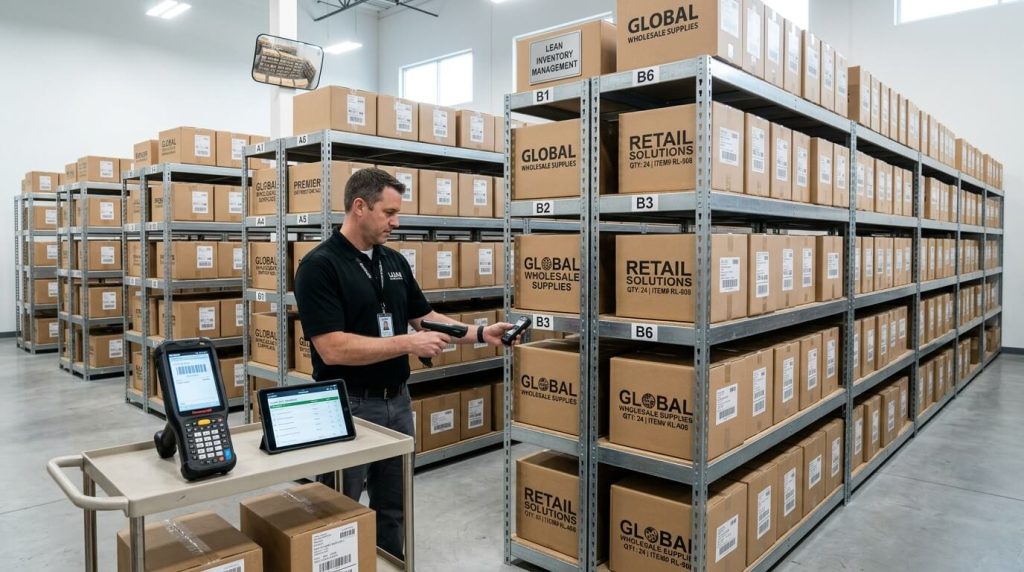
A physical lease and acrylic shelves can be replicated. To command a premium multiplier, you must prove you have a “moat”—assets that a competitor cannot easily duplicate.
1. The VIP CRM Database
If your revenue relies entirely on random mall foot traffic, your business is vulnerable. However, if you can present the buyer with an active art toy CRM system containing 1,500 local collectors who consistently prepay for master cartons, you have proven that your revenue is sticky and predictable. This digital asset must be cleaned, organized, and legally transferable in the sale agreement.
2. The B2B Procurement Pipeline
An art toy store is useless without a reliable pipeline of untampered, highly anticipated inventory. If your sourcing strategy relies on your personal WeChat relationships with shady gray-market distributors, the buyer cannot replicate that.
You must establish official, transferable corporate accounts with verified B2B aggregators. Proving to a buyer that the store has priority allocation status with a supplier that offers domestic US warehouse fulfillment drastically lowers the buyer’s anxiety regarding international freight logistics and customs clearance.
The Pre-Sale Financial Triage Matrix
Use this operational matrix to audit your business 6 to 12 months before you intend to seek a buyer.
| Business Component | Current “Founder” Status | Required “Acquisition-Ready” Status |
|---|---|---|
| Financial Records | Mixed personal/business expenses; paper receipts. | Clean P&L generated from a dedicated sistema de ponto de venda para brinquedos artísticos. All cash sales logged. |
| Inventory Health | Bloated stockroom; hoarding dead stock. | Lean inventory. Dead stock fully liquidated via dump bins prior to listing. |
| Store Operations | Owner works the register 6 days a week. | Manager in place; daily operations governed by written SOP binders. |
| Supply Chain | Personal relationships; scattered vendors. | Centralized B2B corporate account ready for immediate ownership transfer. |
Perguntas frequentes (FAQ)
Should I restock inventory while trying to sell the store?
Yes. A common mistake sellers make is starving the store of new inventory to save cash while negotiating a sale. This causes your trailing revenue to plummet, which lowers your ultimate valuation. You must maintain standard ordering cycles (especially for fast-moving items) so the store looks vibrant and profitable during buyer walk-throughs.
How do commercial leases affect the sale of my toy store?
The lease is often the most critical legal hurdle. Most commercial leases contain an “Assignment Clause,” requiring the landlord’s approval to transfer the lease to the new buyer. You must quietly review your lease terms before listing the business. If you only have 6 months left on your lease, buyers will demand a massive discount due to the risk of eviction. Ideally, secure a 3-to-5-year lease extension option before selling.
Should I use a business broker to sell my store?
For businesses generating over $100,000 in Seller’s Discretionary Earnings (SDE), utilizing a specialized retail business broker is highly recommended. While they charge a commission (typically 10%), they insulate you from tire-kickers, maintain confidentiality, and know how to present your financials to maximize the SDE multiplier.
How can I prove to a buyer that my supply chain is reliable?
Provide the buyer with your B2B supplier order history. Showing consistent, on-time deliveries of highly sought-after blind box series from a centralized wholesale platform demonstrates that the business is not at the mercy of volatile overseas factory delays. Utilizing platforms like Kidults Box ensures you have the clean commercial invoices required for rigorous buyer due diligence.
Preparing your art toy store for acquisition is the final, most lucrative step in your retail journey. If you are cleaning up your balance sheet and need to replace stagnant inventory with fast-moving, high-margin items before listing your business, evaluating a reliable wholesale catalog is your immediate operational priority.
Confira aqui o catálogo de brinquedos artísticos para atacado »

