






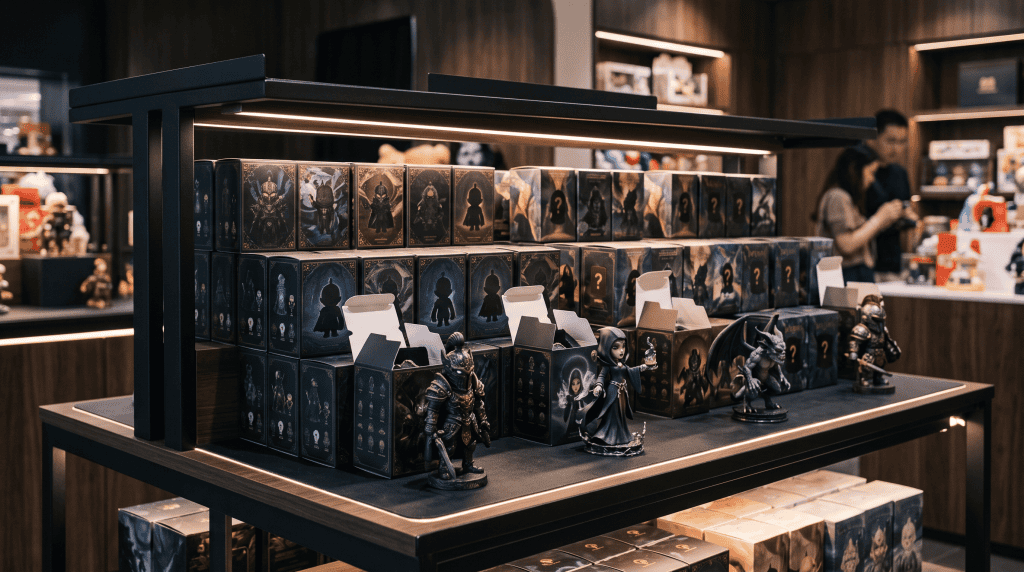
A series can look visually strong in photos and still be a poor buy on the shelf. The decision to stock collector figures turns on authenticity risk, packaging condition, case structure, landed cost, and how easily you can reorder when demand hits, not on how the promo images look. Before adding the Skullpanda Paradox Series to a retail assortment, it pays to work through each of those factors deliberately.
This guide is written for toy shops, anime and art-toy retailers, concept stores, gift boutiques, and online sellers evaluating Pop Mart Skullpanda The Paradox Series as commercial stock. It does not assume a specific MOQ, price, release quantity, or supplier capability. Instead, it gives practical questions and comparison steps that help buyers request a cleaner quote and avoid common purchasing mistakes.
Where the Skullpanda Paradox Series fits in a collectible retail assortment
Before asking for a quote, decide what role this line should play in the store. Skullpanda’s visual identity usually appeals to collectors who like character-driven design, stylized fashion, and display-ready figures. That makes the series different from low-cost impulse toys or generic novelty items.
A retailer may position the line in several ways:
- Collector shelf traffic driver: used to bring repeat buyers back to check new arrivals.
- Giftable blind box item: placed near checkout, art books, stationery, or lifestyle accessories.
- Online drop product: listed with careful photography, case options, and clear condition notes.
- Assortment anchor: paired with other recognizable designer toy and blind box lines.
For comparison, a retailer that already carries space-themed or large-character collectibles may also review the Mega Space Molly 100% Series 3 blind box to see how different Pop Mart lines can serve different buyer moods. Stores that prefer more abstract or identity-driven designs may compare customer response with the Little Monster CUPA I Am Undefined series.
Which shoppers are likely to buy this dark-art figure line?
Not every blind box customer buys for the same reason. When planning the Pop Mart Skullpanda Paradox Series, segment the likely shopper before deciding order quantity.
| Buyer type | Likely motivation | Retail action |
|---|---|---|
| Established Skullpanda collectors | Following the character line and completing displays | Ask about full case options, sealed box condition, and assortment structure. |
| Art-toy shoppers | Looking for visual style, mood, and shelf presence | Use product photos and in-store display lighting to show the aesthetic clearly. |
| Gift buyers | Choosing a premium-looking collectible without needing character knowledge | Confirm outer box condition because packaging affects gift value. |
| Online blind box customers | Comparing availability, box condition, and trust signals | Document whether listings are sealed, opened, confirmed, or random. |
| Dark-cute aesthetic fans | Buying moodier character designs and alternative styles | Merchandise near gothic, fantasy, or character-art items where relevant. |
| Repeat impulse buyers | Trying one box now and returning later for another | Track sell-through by week so reorders are based on real demand, not only hype. |
If your shop already performs well with darker collectible styles, the Light Nightmare Twins dark-aesthetic guide may be useful for comparing how moodier designs behave in retail displays.
How to compare Paradox figure quotes beyond the unit price
A low unit price is not automatically a better purchase. For collector figures, quote comparison should include box condition, case integrity, authenticity documentation, freight terms, and the supplier’s ability to clearly describe what is being sold.
Use the table below when comparing supplier replies. If any answer is missing, the quote is not yet comparable.
| Quote factor | What to ask | Почему это важно |
|---|---|---|
| Product format | Is the offer for single blind boxes, sealed cases, confirmed figures, or mixed stock? | Different formats carry different duplicate, display, and resale risks. |
| Case structure | How many boxes are in a case, and is the case sealed? | Case quantity affects assortment planning and collector trust. |
| Packaging condition | Are there dents, crushed corners, stickers, tape marks, or opened cartons? | Collectors and gift buyers often care about box condition. |
| Authenticity support | What documents, purchase channel information, or traceability can be provided? | Branded collectibles carry reputational and marketplace risk if authenticity is unclear. |
| Price basis | Does the price include domestic handling, export packing, payment fees, or only product cost? | Buyers need landed cost, not just item cost. |
| Freight method | What shipping options are available, and how is carton protection handled? | Slow or poorly packed shipments can miss selling windows or damage retail packaging. |
| After-sale process | How are shortage, damage, or wrong-item claims documented? | Clear evidence requirements reduce disputes after arrival. |
Prepare the same quote sheet for every supplier you contact. Comparable answers make it easier to decide whether the Skullpanda Paradox Series belongs in a test order, a full retail launch, or a wait-and-watch list.
Case packs, full sets, and duplicate risk in a Paradox order
Blind box inventory has a special challenge: the customer may want surprise, but the retailer needs inventory control. Before buying, confirm whether the offer is for random individual boxes, sealed cases, full sets, opened confirmed figures, or a mixture.
As a planning reference, a small store might test one or two case quantities if the supplier’s case structure is clear, while an online seller with strong collector traffic may plan a larger batch. These are not recommended MOQs; they are examples of how buyers can think about risk. The right quantity depends on budget, selling channel, local demand, and reorder access.
- If buying random singles: ask how boxes were sourced and whether any sorting has occurred.
- If buying sealed cases: confirm carton seals, case quantity, and whether outer cartons will remain intact.
- If buying confirmed figures: ask how identification was done and whether inner packaging was opened.
- If buying full sets: request a written list of included figures and clarify whether any secret or chase item is included or excluded.
Stores comparing single-character display strategy with larger-format products may also review the Kimmon 200% figure sourcing guide, because larger figures often require different shelf planning and shipping protection than standard blind boxes.
Packaging checks that protect collector value
Packaging is part of the product experience for many collector figure buyers. A figure may be undamaged, but a crushed retail box can still reduce perceived value, especially for gift shoppers and sealed-box collectors.
Ask the supplier to confirm packaging condition before payment. Useful evidence may include recent carton photos, close-up photos of retail box corners, and images of how the goods will be packed for transport. Avoid assuming that “new” automatically means display-ready.
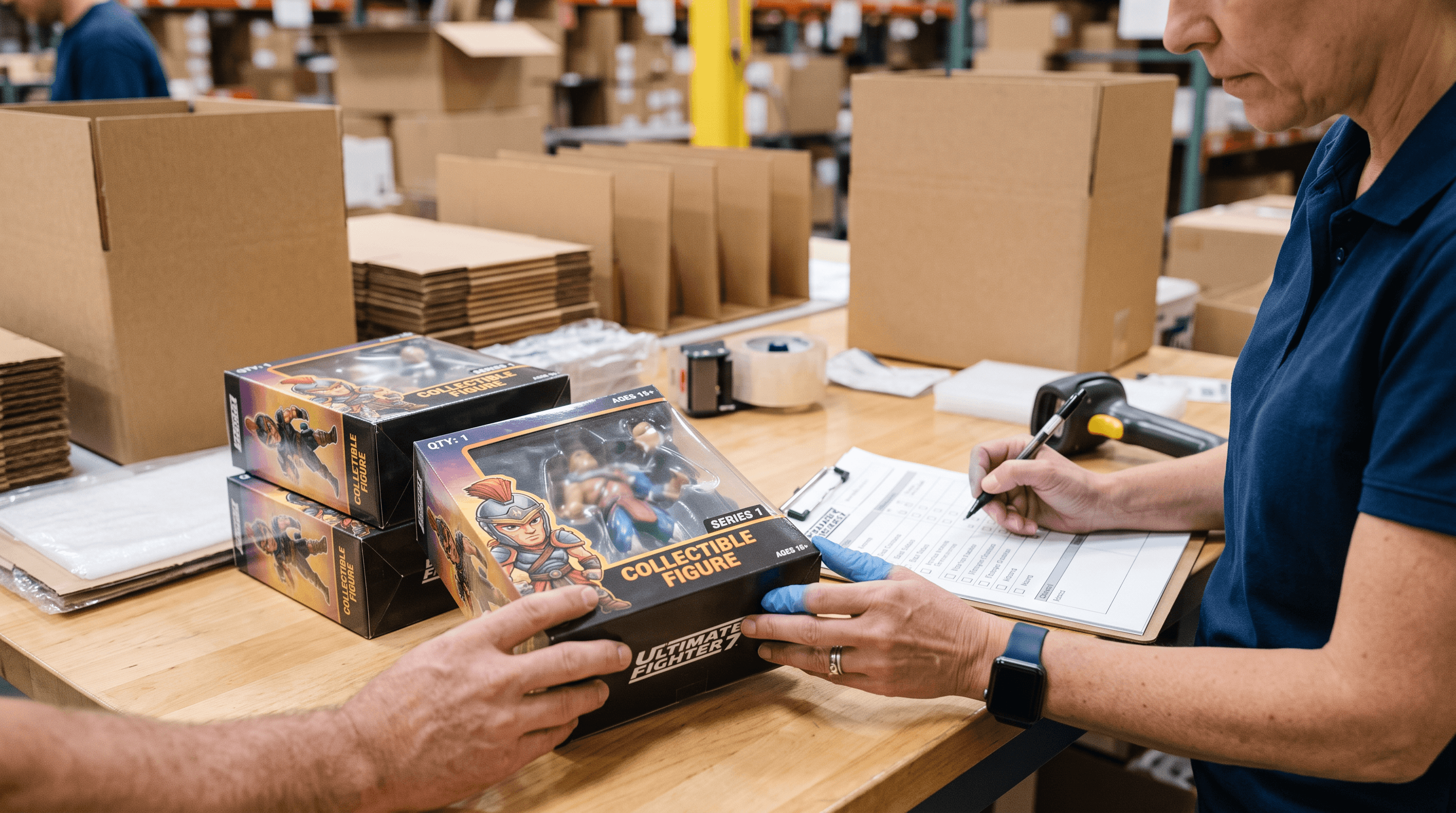
Retail packaging checklist
- Confirm whether retail boxes are sealed, opened, or inspected.
- Ask whether outer cartons show water marks, crushing, punctures, or relabeling.
- Check if export cartons will include added cushioning around retail boxes.
- Request a simple photo record before shipment for higher-value orders.
- Clarify whether damaged boxes will be excluded, discounted, or shipped as-is.
- Document claim requirements before the goods leave the supplier.
For stores selling in marketplaces, packaging notes should also match listing language. If a listing says “sealed box,” buyers should be prepared to prove that condition if a customer disputes it.
Freight timing and reorder signals for the Paradox Series
Freight planning matters because collector demand can move quickly. If a figure line gains attention online, late arrivals may sell slowly after the demand peak. If the first order sells out but reorders are uncertain, customers may move to another shop.
Instead of relying on a single promised arrival date, ask for the shipment stage and what must happen before dispatch. For international purchases, buyers should also confirm customs paperwork, import requirements, and destination-market restrictions with qualified logistics or compliance support.
Use these reorder signals once the first batch is live:
- First-week sell-through: if a meaningful share sells quickly, prepare reorder questions immediately.
- Design-specific demand: if confirmed figures sell faster than random boxes, adjust the next order format.
- Customer waitlist: collect requests before committing to a larger reorder.
- Damage rate: if box condition problems appear, improve packing requirements before reordering.
- Channel split: compare in-store sales with online conversion before repeating the same quantity.
As an example, a retailer may set an internal reorder trigger when half of the initial batch has sold and supplier availability is still uncertain. That trigger is a planning tool, not a guarantee that stock will remain available.
Authenticity, compliance, and reseller-risk questions to ask early
Branded collectible products require careful sourcing discipline. Buyers should not assume that every supplier has the same authorization, traceability, or right to resell into every market. This is especially important for retailers selling through marketplaces that may request documentation.
Ask direct questions before payment:
- What is the source channel for the goods?
- Can the supplier provide invoices, batch information, or other traceability where applicable?
- Are the items original retail products, opened figures, customer returns, or mixed lots?
- Are there market restrictions or labeling requirements for the destination country?
- Who is responsible if customs, marketplace, or platform documentation is requested?
- What photos or documents will be provided before shipment?
Compliance requirements for toys, labeling, age grading, and imports vary by destination market. Buyers should verify local requirements with appropriate compliance professionals or logistics partners rather than relying only on supplier statements.
Warning signs before paying for collector figure stock
Collector figure sourcing is not only about finding availability. It is also about avoiding stock that creates customer complaints, marketplace issues, or margin loss after freight and damage are counted.
- Vague product descriptions: the supplier cannot say whether stock is sealed, opened, confirmed, or random.
- No packaging photos: only catalog images are provided, with no current stock condition evidence.
- Давление с целью быстрой оплаты: urgency is used instead of clear quote details.
- Unclear claim process: there is no written method for handling shortage, wrong item, or transit damage.
- Suspiciously broad availability: the supplier claims easy access to every rare or high-demand item without explanation.
- Changing terms: case quantity, freight method, or product format changes after the buyer asks detailed questions.
Retailers that sell character lines with strong moods may also compare risk and merchandising notes with the Sleepless Grumpipi retail guide, especially when planning displays for expressive or niche-aesthetic figures.

The inquiry message to send before requesting availability
A clear inquiry saves time and reduces misunderstanding. Instead of asking only “How much?”, send a structured request that forces key details into writing.
Hello, I am evaluating Pop Mart Skullpanda Paradox Series stock for retail resale. Please quote available formats, including single blind boxes, sealed cases, confirmed figures, or full sets if available. Please include product condition, case quantity, packaging photos, price basis, payment terms, freight options, estimated dispatch stage, and claim process for shortage or damage. Also confirm what authenticity or source documentation can be provided and whether any destination-market restrictions apply.
Before approving the order, review this checklist:
- Product format is clearly written.
- Case quantity or set contents are confirmed.
- Packaging condition is documented with recent photos.
- Landed cost estimate includes freight, handling, duties, taxes, and payment fees where applicable.
- Claim process and evidence requirements are understood.
- Compliance and import questions are assigned to the right person or partner.
- Reorder availability is discussed, even if it cannot be guaranteed.
If you are comparing suppliers now, use this template to request consistent answers before choosing stock. A quote that answers these points clearly is usually easier to evaluate than a cheaper quote that leaves important risks undefined.
ЧАСТО ЗАДАВАЕМЫЕ ВОПРОСЫ
Is the Skullpanda Paradox Series better for collectors or casual gift buyers?
It can serve both, but the buying strategy is different. Collectors may care more about sealed cases, full sets, and box condition, while gift buyers may respond to visual appeal and display-ready packaging.
Should retailers buy single blind boxes or sealed cases?
Sealed cases are often easier to document and merchandise, but single boxes may suit smaller test orders. Buyers should confirm the format, case quantity, and whether any sorting or opening has occurred.
What should be checked before paying for Pop Mart Skullpanda stock?
Buyers should check product format, packaging condition, authenticity support, source documentation, freight method, landed cost, and the supplier’s claim process for damage or shortages.
How can a retailer reduce duplicate or assortment risk?
Ask whether the offer is random, sealed case, confirmed figure, or full set. Then match the format to your sales channel, customer expectations, and ability to sell duplicates or confirmed designs.
Одинаковы ли требования к соблюдению нормативных требований во всех странах?
No. Toy labeling, import, safety, and marketplace documentation requirements can vary by destination market, so buyers should verify requirements with qualified local or logistics support.
Before You Place That First Paradox Order
The strongest buying decision is not the one with the lowest quoted unit cost. For the Skullpanda Paradox Series, retailers should compare total landed cost, packaging condition, product format, authenticity support, and reorder feasibility before committing budget.
Start with a testable order plan, keep supplier answers in writing, and review actual sell-through before scaling. That approach helps protect collector trust, reduce damaged-box complaints, and make the next purchase decision based on real retail data.

