






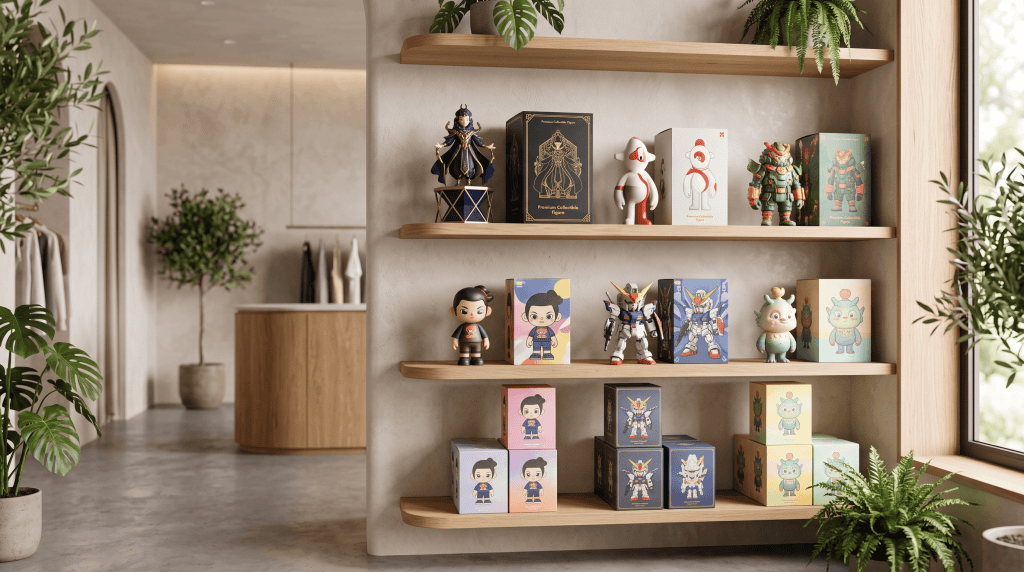
Product photos create demand, but they rarely tell you what you actually need to know before spending money. The purchasing decision for a premium figure depends on authenticity, packaging condition, case planning, and whether the landed cost still works after freight and handling. For retailers considering Skullpanda Light Weaving Garden, the goal is not only to stock a beautiful collectible, but to avoid preventable sourcing mistakes that quietly erode margins and customer trust.
This guide is written for toy shops, blind box retailers, anime and art toy stores, online collectible sellers, and gift boutiques comparing premium figure options. It focuses on the buyer-side questions to settle before requesting a quote, placing a test order, or planning a wider launch.
Why a Photo Check Is Not Enough for This Series
Visual appeal matters for a premium collectible, but no order should be approved from images alone. A figure line tied to a well-known IP attracts collectors who care about box condition, authenticity, display quality, and whether the product truly matches the advertised series.
Before buying, pin down the exact product format being quoted. Is the offer for single figures, sealed blind boxes, a full case, or a display set? Are you receiving a random assortment or a specified configuration? If a quote uses vague wording such as “Skullpanda figure” without the exact series name, ask for clarification before you compare any prices.
- Ask for the exact series name: The quote should clearly reference Skullpanda Light Weaving Garden, not just a general Skullpanda label.
- Confirm unit format: Single unit, blind box, case, or full display should be stated in writing.
- Check packaging expectations: Collector buyers routinely reject dented boxes, crushed corners, or broken seals.
- Document photos: Request front, back, side, seal, barcode or product label, and carton condition photos where possible.
If you also stock other premium Pop Mart-style collectibles, comparing this series against the Mega Space Molly 100% Series 3 blind box can help you see how character recognition, display size, and case format shape buyer demand.
Which Stores Should Actually Carry This Figure?
Not every figure line fits every shelf. Skullpanda Light Weaving Garden tends to suit buyers who already serve collectors, designer toy fans, gift shoppers, or customers drawn to fashion-forward character art. A store built around low-priced impulse items should test carefully before committing to a larger order.
| Buyer type | Why it may fit | Question to ask before ordering |
|---|---|---|
| Blind box shops | Customers may already understand random-format buying and series chasing. | Can staff explain assortment rules clearly to reduce returns or disputes? |
| Anime and hobby retailers | Premium figures can sit beside character goods, art toys, and display collectibles. | Does the current customer base buy higher-ticket display pieces? |
| Gift boutiques | The garden theme and refined presentation may support gifting occasions. | Will packaging arrive clean enough for gift-ready display? |
| Online collectible sellers | Detailed listings can highlight series name, format, box condition, and photos. | Can you protect outer boxes through parcel shipping to the end customer? |
| Pop-up stores | Limited shelf space benefits from recognizable, visual products. | Is the case quantity manageable for the length of the event? |
| Collector-focused resellers | Demand hinges on authenticity, condition, and completeness. | Can the supplier provide documentation and consistent packaging standards? |
Use this table as a fit check before asking for bulk pricing. If two or more questions are hard to answer, start with a smaller test quantity or request more supplier detail before committing.
How to Compare Skullpanda Quotes on Equal Terms
A lower unit quote is not automatically the better offer. For premium figures, the truly comparable price depends on unit format, carton protection, payment terms, freight responsibility, and whether the goods are sealed and authentic. Request the same details from every supplier before deciding.
When comparing quotes, build a simple spreadsheet with these fields:
- Exact product name and series
- Unit format and case quantity
- Assortment details, if applicable
- Quoted unit price and currency
- Carton dimensions and gross weight, if available
- Packaging protection method
- Estimated dispatch timing or preparation period
- Shipping term or freight responsibility
- Payment method and refund or replacement policy for damaged goods
- Evidence requested for authenticity and unopened condition
As a planning example, imagine Supplier A offers a lower unit price but unclear carton protection, while Supplier B offers a slightly higher unit price with better photo documentation and clearer shipping details. If your customers are strict about box condition, Supplier B’s quote may be the safer one even though it costs more per unit.
If you are still building a premium figure assortment, the Kimmon 200% Spring New Growth sourcing guide shows how retailers can weigh figure size, display appeal, and sourcing risk before expanding a collectible line.
Case Quantity, MOQ, and Sizing a First Test Order
MOQ and case quantity affect both cash flow and customer experience. Do not assume every supplier can split cases, guarantee a particular character mix, or provide one exact configuration. Ask directly how the product is packed and whether the order ships as sealed case goods or loose units.
Size a first test order around your selling channel, not around ambition. An online seller with a small but loyal collector audience may test fewer units than a physical store preparing a launch display. The right number depends on expected sell-through, storage space, cash cycle, and how quickly you can reorder.
MOQ questions to send before you request pricing
- What is the minimum order quantity for this exact series?
- Is the MOQ based on units, cases, cartons, or order value?
- Can sealed cases be supplied, or only individual units?
- Is the assortment random, fixed, or supplier-selected?
- Can the supplier confirm whether outer packaging remains unopened?
- Are sample or trial quantities available, and how are they packed?
Do not treat MOQ as only a negotiation point. If the minimum quantity outstrips your sell-through, the risk shifts from supplier price to inventory aging. Premium figures can tie up capital quickly if a store buys deep before validating demand.
Working Out Cost Per Sellable Unit Before You Approve
The landed cost of Skullpanda Light Weaving Garden is more than the quoted product price. Freight, payment fees, import duties or taxes, repacking materials, damage allowance, platform fees, and local delivery can all move the final retail margin. Verify destination-market rules with a qualified customs or compliance professional when needed.
Ask for carton dimensions and gross weight where available. Even lightweight collectibles become expensive to move if packaging is bulky or if outer cartons need extra protection. For online sellers, plan for the second layer of shipping: the cost to send each figure to the final customer without crushing the box.
Buyer rule: Do not approve a premium figure order until you can estimate cost per sellable unit after inbound freight, expected packaging waste, and customer delivery materials.
A simple landed-cost worksheet may include: product cost, inbound freight, customs-related charges, warehouse handling, protective mailer or box, damage allowance, marketplace commission, and return handling. The exact figures differ by market, but every category should be visible before you set retail pricing.
Keeping Collector Boxes Intact Through Freight and Store Handling
Collectors judge a premium figure by both the figure and its packaging. A flawless figure inside a crushed box still generates complaints, discount requests, or returns. Treat packaging condition as a commercial requirement, not an afterthought.
Request photos of inner boxes and master cartons before shipment if possible. Ask whether cartons are reinforced, whether void fill is used for partial cartons, and whether fragile collectible packaging is separated from heavier goods. If the supplier is consolidating multiple product types, confirm that figure cartons will not sit under bulky or heavy items.

Packaging checks before payment
- Confirm whether units are sealed and unopened.
- Ask how individual boxes are protected inside the carton.
- Request photos of carton corners, seals, and labels before dispatch.
- Clarify how damage discovered on arrival should be reported.
- Keep arrival photos and unboxing videos for claim documentation.
Retailers who sell large-format figures already understand box sensitivity. If you are weighing sizes and display risks, the Baby Three Sweet Dream 400% figure guide is useful for thinking through how larger collectible packaging affects storage, freight, and shelf planning.
Building your inquiry? Frame your quote sheet around unit format, case condition, carton protection, and landed-cost assumptions before you ask any supplier for their best price.
Authenticity, Labeling, and Compliance You Should Not Skip
Branded collectibles demand extra caution. Confirm that the goods are authentic and suitable for resale in your target market. Do not rely on attractive listing images or social media screenshots. Request documentation, product photos, packaging details, and any information your import or retail compliance process requires.
Compliance requirements vary by country, product type, material, age grading, labeling, and sales channel. Verify the rules for your destination market rather than assuming that a product accepted in one market automatically meets another market’s requirements.
| Check area | What to ask | Why it matters |
|---|---|---|
| Series identification | Can the supplier confirm the exact Skullpanda Light Weaving Garden series name? | Prevents confusion with similar figures or unrelated stock. |
| Packaging status | Are boxes sealed, unopened, and suitable for collector resale? | Opened units may reduce buyer confidence. |
| Authenticity evidence | What proof can be provided that goods are genuine? | Protects the retailer from counterfeit and IP risk. |
| Labeling | Are labels, warnings, and product information visible and suitable for your market? | Some sales channels require specific product details. |
| Age suitability | Is the product intended for adult collectors, older children, or another audience? | Affects merchandising and compliance review. |
| Damage process | What evidence is required if items arrive damaged? | Reduces dispute risk after delivery. |
For stores that also carry darker or more stylized collectibles, the Light Nightmare Twins Blind Box guide is a helpful comparison for how theme, age positioning, and shelf presentation influence product selection.
When to Reorder a Collector-Driven Launch
Reorder planning is hard because collectible demand can spike fast when social posts, unboxing videos, or customer photos create attention. Order too late and you get stock gaps; order too early and you sit overexposed if demand cools.
Use a simple sell-through trigger. As a planning reference, a store might start reviewing reorder options once roughly 50% to 60% of the first batch has sold and customer inquiries are still active. This is not a guaranteed threshold—just a practical point to begin checking supplier availability, current pricing, and freight timing before stock runs out.
- Track daily sell-through: Separate online orders, in-store purchases, and reserved units.
- Record customer requests: Note whether buyers ask for the same series, same character style, or any Skullpanda-related product.
- Check supplier availability early: Do not wait until the last unit sells before requesting a reorder quote.
- Watch freight changes: A profitable first order can turn marginal if freight costs shift.
- Plan markdown rules: Decide in advance when slow-moving units will be bundled, promoted, or held for collector events.
If premium figures act as shelf anchors in your shop, compare their reorder timing with other collectible formats such as BJD dolls, plush badges, or smaller blind boxes. Different formats turn at different speeds and demand different storage space.
Warning Signs When a Skullpanda Offer Looks Too Easy
Some supplier offers look attractive precisely because they remove the hard questions. That is exactly when to slow down. Premium figure sourcing runs on evidence, not enthusiasm.
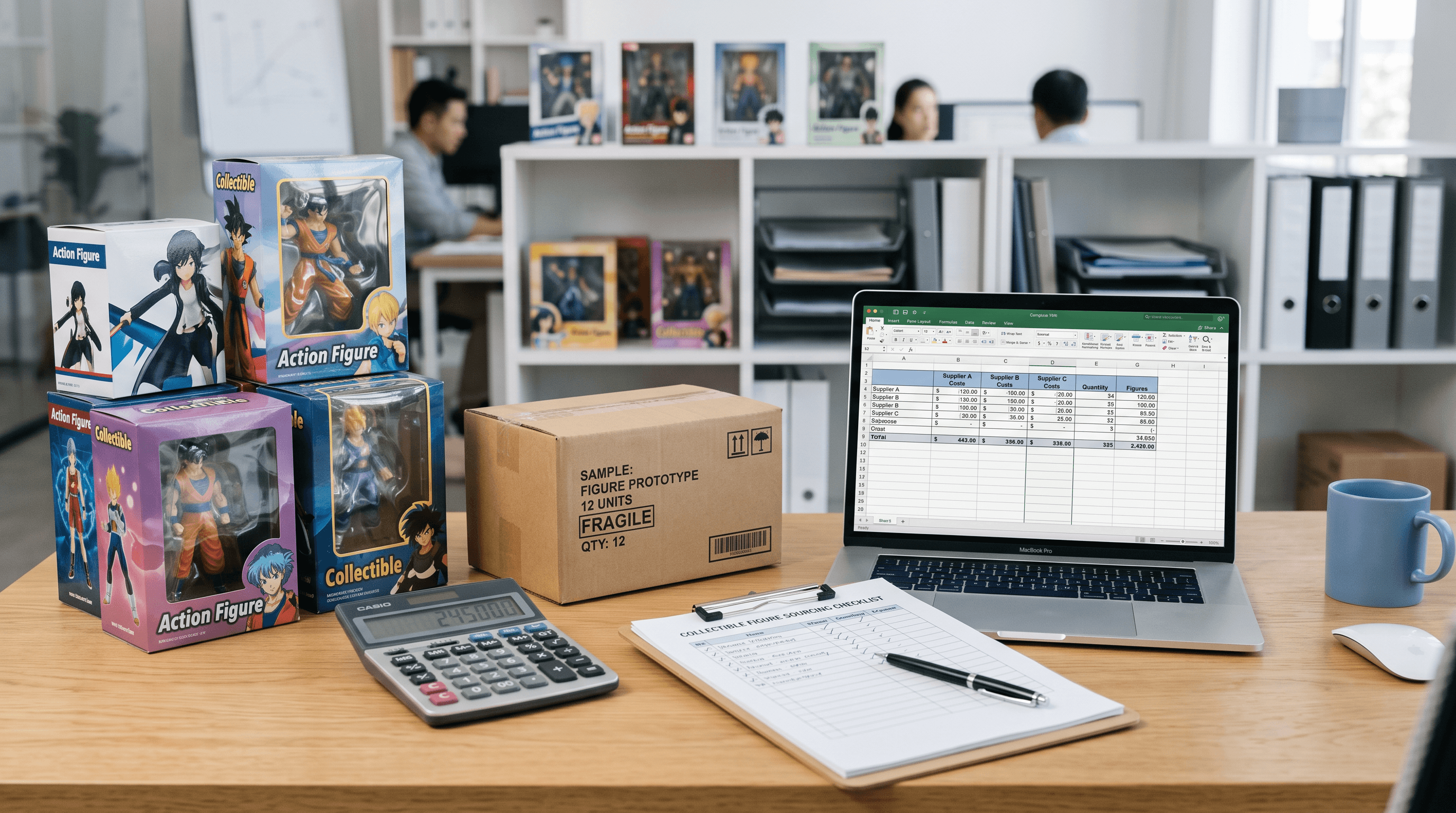
- Vague product naming: The listing does not clearly identify Skullpanda Light Weaving Garden.
- No packaging photos: Only promotional-style images or cropped product shots are offered.
- Unclear unit format: You cannot tell whether the quote covers singles, cases, or mixed stock.
- Pressure to pay quickly: The supplier dodges specification, carton, or authenticity questions.
- No damage process: There is no agreed method for reporting crushed boxes or missing units.
- Too-good-to-check pricing: A very low quote may be explained by condition, source, authenticity, or hidden costs.
A useful quote is not necessarily the cheapest one. It is the one that lets you understand what you are buying, how it will arrive, and what happens if the delivered condition does not match the agreed expectation.
A Ready-to-Send Inquiry Template
Use the template below when contacting suppliers. It keeps the discussion specific and makes quotes easier to compare.
Hello, we are evaluating Skullpanda Light Weaving Garden for retail resale. Please confirm the exact product format, MOQ, case quantity, unit price, packaging condition, and whether items are sealed and unopened. Please also provide available product and carton photos, carton dimensions and gross weight if available, expected preparation timing, shipping options, payment terms, and the process for reporting damaged packaging on arrival. If authenticity or resale documentation is available, please include details. Our destination market is [country/region], and we will review any local compliance or import requirements before ordering.
Before payment, summarize the agreed details in writing. Include product name, quantity, packaging condition, shipping responsibility, and what evidence is needed for a damage claim. This protects both buyer and supplier from misunderstandings.
Ready to compare offers? Prepare one quote sheet for Skullpanda Light Weaving Garden, request the same details from each supplier, and evaluate total landed cost and packaging risk before choosing where to place your first order.
FAQ
What should retailers confirm before buying Skullpanda Light Weaving Garden?
Retailers should confirm the exact series name, unit format, case quantity, packaging condition, authenticity evidence, shipping responsibility, and damage reporting process before approving a quote.
Is the lowest quote the best option for premium figures?
Not always. A lower unit price may become more expensive if packaging is damaged, freight terms are unclear, or the quote does not include enough detail to verify authenticity and sellable condition.
How can stores reduce the risk of crushed collector boxes?
Ask for carton photos, confirm inner protection, avoid mixing figure cartons under heavy goods, and document arrival with photos or video so damage claims can be handled more clearly.
Should buyers start with a small test order?
A test order can be useful when demand is uncertain, but buyers should still confirm MOQ, case format, freight cost, and packaging standards. A small order with poor documentation can still create risk.
What compliance issues should buyers check?
Buyers should verify labeling, age suitability, import rules, and any destination-market requirements that apply to collectible figures. Requirements vary, so local review is important.
Before You Place That First Order
Skullpanda Light Weaving Garden can be a compelling premium collectible for the right retail audience, but it deserves the same discipline as any high-interest branded figure. Confirm what is being quoted, protect box condition, calculate landed cost, and keep authenticity and compliance questions in writing.
The strongest buying decision is never based on a single product image. It comes from a clear comparison of format, packaging, supplier documentation, freight impact, and realistic sell-through planning.

