






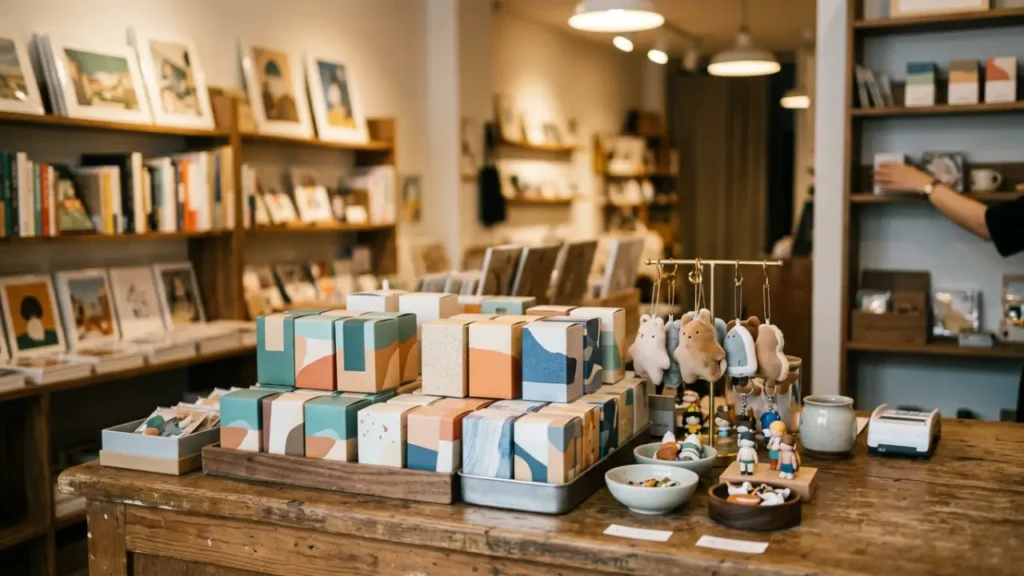
A limited buying budget can vanish into an attractive series that takes far too long to sell. The real challenge for a small store is balancing customer appeal against the cash tied up in each case, the space needed to display it, and the cost of replenishing whatever sells.
For an independent collectible store, “best” should mean the strongest fit for a manageable test—not the biggest assortment or the lowest quoted unit price. Start with formats your customers already understand, compare complete order costs, and leave enough cash to restock whichever series earns repeat purchases.
Which blind box products deserve your first shelf space?
Match the product to the purchase occasion. A collector-focused store may prioritize small display figures with clearly documented series details. A gift-led shop may favor portable accessories or plush formats. A store with only a checkout display should judge packaged dimensions before judging promotional photos.
The following options are a sourcing shortlist, not verified claims about specific suppliers. Compare actual samples, dimensions, and quotations before selecting a format.
| รูปแบบผลิตภัณฑ์ | Best-fit buyer situation | Budget exposure | สิ่งที่ต้องตรวจสอบ |
|---|---|---|---|
| Compact character figures | Shops serving desk-display collectors | Too many similar series can divide demand | Box footprint, figure dimensions, stability, and case assortment |
| Licensed character figures | Stores with demonstrated interest in a particular character | Recognition does not automatically justify a higher buying cost | Authenticity evidence, sourcing documentation, and customer price acceptance |
| Plush pendants | Gift-led stores and bag-accessory shoppers | Package volume can raise freight and storage costs | Packed dimensions, attachment construction, and surface finish |
| Keychain blind boxes | Checkout displays and accessory-focused shops | Weak hardware can create avoidable returns | Clasp operation, ring closure, material, and decoration durability |
| Miniature scene collectibles | Customers who build shelf displays | Fragile parts or assembly requirements can add service work | Loose components, protective inserts, and assembly instructions |
| Seasonal or occasion-themed series | Stores with a defined gifting event | Unsold stock may lose relevance after the occasion | Arrival window, display readiness, and a post-event selling plan |
For a figure-led shortlist, review the Little Monster CUPA I Am Undefined product page และ Upsetduck x Carebears Secret Wish Duck listing. Treat them as candidates for comparison; their names alone do not establish affordability, availability, licensing documentation, or suitability for your customers. A deeper CUPA blind box buyer guide can help you weigh one of these series in detail.
If shelf width is your main constraint, the guide to blind box selection for space-limited booths offers a relevant buying angle. Measure the usable display area in your store before asking for a proposed assortment.
Buy a testable assortment, not a pile of minimum orders
A supplier’s minimum order may apply to the total purchase, each series, or each individual SKU. These are different commitments. Ask whether mixed-series orders are permitted and whether mixing changes the price, packaging, or assortment terms.
Also distinguish a retail display box from a shipping carton. One carton may contain several displays, and one display may contain multiple sealed units. Request a written breakdown rather than relying on the word “case.”
- What is the minimum purchase per series and per order?
- How many individual boxes are in each display and outer carton?
- Can the order contain multiple series without buying a full carton of each?
- Does a sealed display have a documented assortment, or are duplicates possible?
- Is an opened display sample available separately, and what does it cost?
For example, a retailer comparing two cases of 12 units with four cases of six units should not assume the broader assortment is safer. It may require more display samples, more staff explanations, and more replenishment decisions. These are planning quantities, not supplier pack sizes.
A sensible first assortment often pairs one familiar customer theme with one exploratory series. Keep the initial commitment small enough that weak sales will not block essential store purchases.
Why a cheaper blind box can consume more buying cash
Compare quotes at the same delivery point and for the same pack configuration. A low product price is not directly comparable with a quote that bundles freight, protective packaging, or destination delivery.
Estimated landed cost per saleable unit = total acquisition cost ÷ units expected to remain available for sale. Include merchandise, freight, insurance if selected, applicable duties, brokerage, handling, and nonrecoverable taxes. Confirm tax treatment and import charges for your destination with an appropriate adviser.
Account for opening stock used as display samples. If a planning example includes 24 purchased boxes and two are opened for display rather than sold, the acquisition cost is spread across 22 saleable sealed boxes. That difference matters on a small order.
Then compare the anticipated selling price with landed cost plus payment fees, selling costs, and any promotional allowance. Avoid calling the remainder net profit before store overhead is considered.
Request packed carton measurements and gross weight, especially when comparing plush pendants with compact figures. Ask the carrier or freight provider which weight basis applies. A lightweight item is not necessarily cheap to transport if its packaging occupies substantial space.
Before narrowing your shortlist, ask for comparable quotations for the same destination and intended order size. A written case breakdown often reveals more than another round of product photos.
Protect the sealed-box experience before stock reaches the shelf
Collectors and gift buyers may care about the condition of the outer box as much as the item inside. Ask how retail boxes are separated from the shipping carton walls, whether display trays travel assembled, and how corner protection is handled.
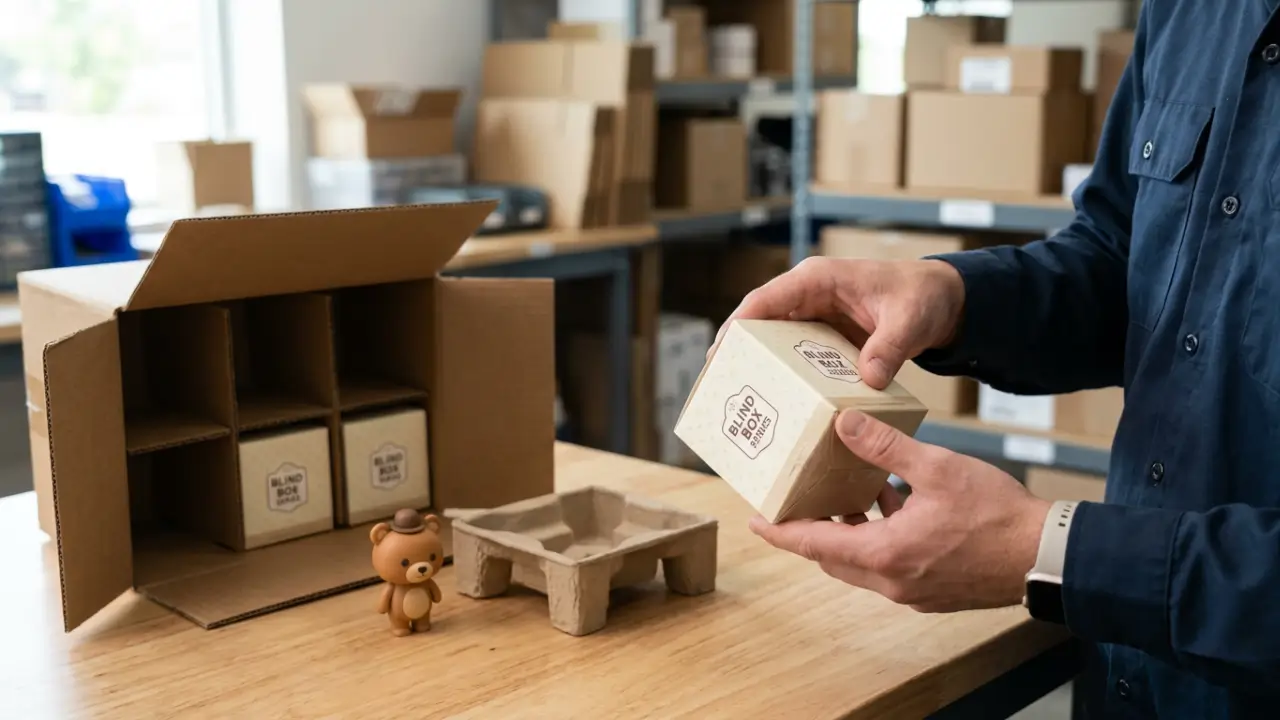
Request photographs of actual retail packaging and a packed shipping carton. Promotional renders do not show tape placement, crushed corners, weak inserts, or whether the packaging conceals the contents properly.
- Figures: inspect visible finish, loose parts, sharp edges, and standing stability on an agreed sample.
- Plush formats: inspect seams, attachments, loose fibers, and overall shape.
- อุปกรณ์เสริม: test clasps and check exposed edges or poorly secured fittings.
- Retail boxes: check seals, legibility of required information, and consistency with the ordered series.
A visual check does not establish regulatory compliance. Confirm intended age grading, destination-market labeling, applicable safety requirements, and relevant supporting documents before purchase. For branded characters, request evidence supporting authenticity and lawful sourcing rather than relying on a logo in a product image.
Agree on how shortages, crushed packaging, and product defects are reported, including required photographs and the claim window. Do not assume cosmetic box damage qualifies for the same remedy as a defective figure.
Reorder winning series without filling the back room
Track sales by series, not just total blind box revenue. Record units received, units sold, remaining sealed stock, display samples, and customer requests. Note whether sales came from normal shelf placement or a temporary promotion.
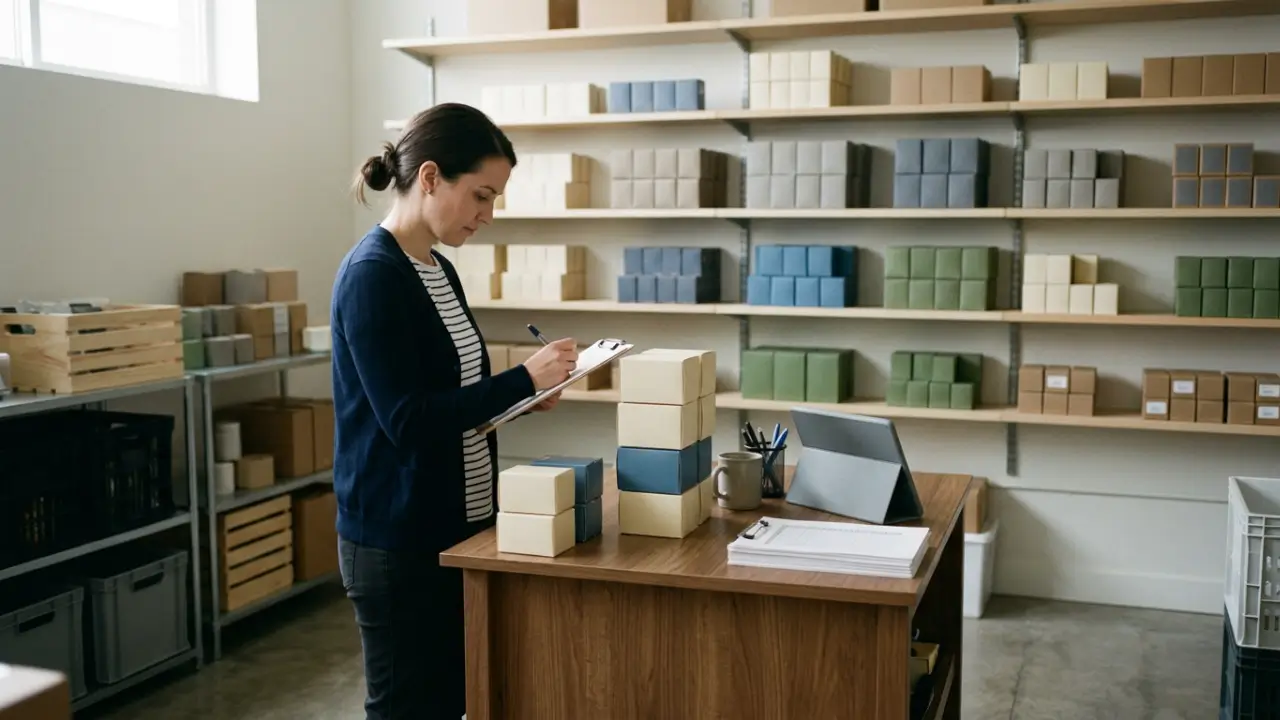
Use a simple replenishment calculation: expected sales during the confirmed replenishment period, plus a modest buffer, minus usable stock and inbound units. Treat the result as an estimate when a series has little sales history.
Ask the supplier to separate order preparation time from transit estimates and any likely clearance steps. Confirm whether a reorder would be the same series and packaging version, and whether partial dispatches require approval. Do not promise customers an arrival date based on an unconfirmed estimate.
A series that sells steadily may deserve a deeper reorder; one that sells only after discounting may need less space. Avoid automatically replacing a slow seller with another visually similar line. First ask whether the problem was theme, price, visibility, or customer misunderstanding of the blind-box format. If you also sell online, the approaches in blind box products for online anime merch stores can inform how you cross-sell leftover stock.
Send a small-store brief that makes supplier quotes comparable
Useful quotations start with a defined buying situation. Provide your destination, preferred formats, available display space, and whether the budget must cover freight and import-related costs. Ask suppliers to distinguish confirmed details from estimates.
Use this inquiry template and replace the bracketed details:
We are planning a test order for a small collectible store in [destination]. Our customers mainly buy [themes/formats], and our available display area is [dimensions]. Please quote [selected series] and state the minimum order per series, units per display and carton, mixed-order options, and assortment rules.
Please include retail and carton dimensions, gross weight, sample options, packaging photographs, relevant product documentation, payment terms, and the delivery basis. Separate preparation and transit estimates, explain damage and shortage claim procedures, and confirm reorder conditions. Our intended total acquisition budget is [budget and currency]; please identify any charges excluded from your quote.
Pause when a quotation uses “full set” without defining it, leaves shipping scope unclear, or promises a secret figure without documented allocation terms. Unexplained substitutions and missing pack quantities also prevent a meaningful comparison. Request clarification before payment rather than trying to resolve the meaning after delivery.
Ready to place a controlled first order? Send the completed brief with your shortlist and request a written, destination-specific quote. Approve the purchase only after the case commitment, estimated landed cost, packaging, and remaining reorder cash all fit your budget.
คำถามที่พบบ่อย
Which blind box format should a small collectible store test first?
Start with a format your existing customers already buy. Compact figures suit display collectors, while pendants or keychains may suit accessory shoppers. Compare actual case commitments and landed costs before choosing.
Is buying a full case always cheaper?
A full case may have a lower unit price, but it can tie up more cash. Compare the total delivered cost, expected sell-through, and whether mixed-series ordering is available.
Does a sealed display guarantee no duplicates?
Do not assume so. Ask for the specific series’ written assortment rules, including duplicate possibilities and whether any special figure replaces a regular design.
How should display samples affect the buying budget?
Include sample costs in the test-order budget. If purchased boxes are opened for display and will not be sold, remove them from the saleable-unit count when estimating acquisition cost per sealed box.
What should buyers verify before importing branded blind boxes?
Request authenticity and sourcing evidence, confirm intended age grading, and check applicable safety, labeling, and customs requirements for the destination. Verify relevant documentation rather than treating branded packaging as proof.
Keep the first order small enough to learn from
Select a narrow assortment, document the actual pack structure, and reserve cash for a proven seller. The right first purchase gives your store evidence about demand without letting unopened cartons dictate the next buying decision.

