



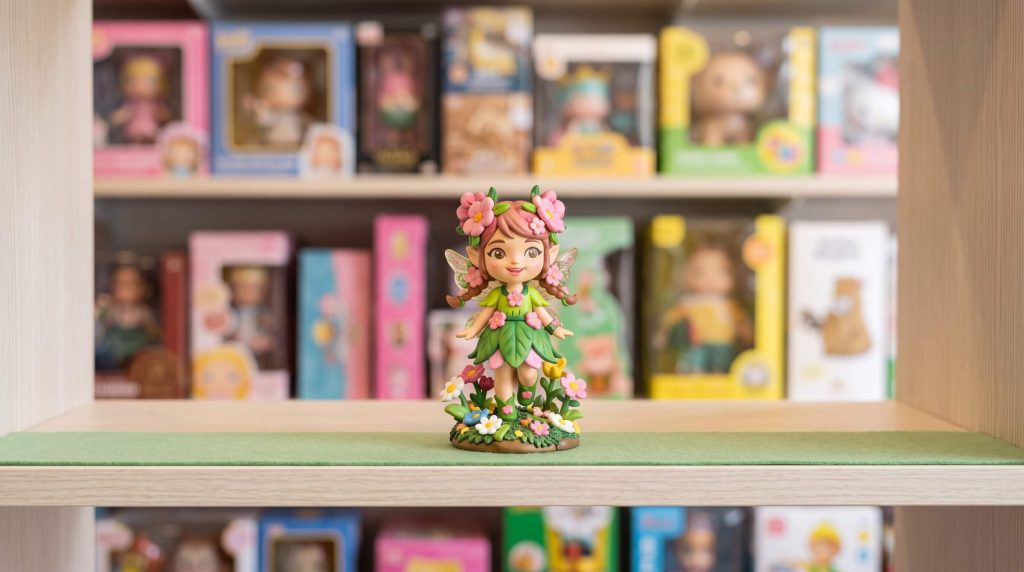
Small collectible figures can look easy to buy from photos, but retail success depends on more than a cute character design. Before committing shelf space, you need to confirm scale, packaging condition, assortment fit, carton economics, and reorder timing. The Kimmon 200% figure in the Spring New Growth theme may appeal to shops building a soft, seasonal, nature-inspired collectible section, but it still deserves a disciplined sourcing review.
This guide is written for toy stores, gift shops, anime and designer toy retailers, online sellers, and pop-up buyers comparing small figure lines. Use it to prepare quote requests, compare supplier responses on equal terms, and reduce avoidable surprises before placing a first order.
Where the Kimmon 200% figure fits in a retail assortment
Before asking for price, decide what job this item should do in your store. A small figure can be a main collectible, a giftable add-on, a display accent, or a repeat-purchase item for character fans. Each use case changes how many units you test and how much packaging condition matters.
- ร้านของเล่นสะสม: compare the Spring New Growth theme against existing figure lines and decide whether it fills a lighter, softer visual gap.
- ผู้จำหน่ายสินค้าของขวัญ: check whether the box presentation feels suitable for birthdays, spring gifting, desk decor, or casual impulse purchases.
- Anime and character shops: place it near similar character-driven figures, but avoid overloading the same price and size tier.
- ผู้ขายออนไลน์: confirm whether product photos, box angles, and dimensions are enough to reduce customer questions and returns.
- Pop-up and event sellers: consider whether the figure is easy to transport, display, and explain quickly to passing customers.
A useful decision rule: if the item depends heavily on visual charm, request clear photos of the figure, front and back of packaging, bottom markings, and carton layout before comparing it with other small collectibles.
How to compare Spring New Growth against neighboring figure lines
The Spring New Growth concept should be evaluated beside products your customers already understand. If your store carries large-format figures, compare the shelf role against a big display item such as a 400% figure sourcing option. If your customers prefer expressive character moods, you can also compare it with darker or more emotional designs like these grumpy character figures.
For nature-themed shelves, the theme may sit closer to forest, floral, or gentle fantasy products. Retailers building that type of zone can review how it compares with an Echo Forest nature-themed collectible in terms of color palette, display density, and customer expectations.
| ผู้ซื้อตรวจสอบ | What to ask or compare | ทำไมเรื่องนี้จึงสำคัญ |
|---|---|---|
| Actual size | Ask for exact height, width, and depth, not only the 200% scale name. | Scale terms can vary by brand or series, affecting shelf planning and shipping volume. |
| Theme fit | Compare Spring New Growth colors with your current spring, garden, or soft character display. | A figure that matches the display story is easier for staff to present. |
| รูปแบบบรรจุภัณฑ์ | Confirm whether it is boxed, window-boxed, sealed, or another retail format. | Packaging changes perceived value, damage risk, and online listing requirements. |
| Case quantity | Ask how many units are packed per carton and whether inner packs are used. | Carton structure affects landed cost, storage, and damage control. |
| Assortment overlap | Check whether you already sell too many small figures at the same visual style and price tier. | Too much overlap can slow sell-through even when the item is attractive. |
| Photo accuracy | Request real product and packaging photos, not only promotional images. | Real photos help buyers judge finish, color, and retail presentation. |
| เอกสารการปฏิบัติตามข้อกำหนด | Ask what documents or labeling information are available, then verify local requirements. | Import and toy safety obligations can vary by destination market. |
| Reorder stability | Ask whether future replenishment is expected, without treating it as guaranteed. | Some collectible lines may become difficult to restock if demand rises. |
Confirm 200% scale details before you build a shelf plan
The phrase 200% sounds specific, but buyers should not assume exact dimensions from the scale label alone. Ask the supplier for measured product dimensions and boxed dimensions. If you sell online, request the gross weight and packaging size as well, because shipping calculations and customer expectations depend on the boxed item rather than the figure alone.
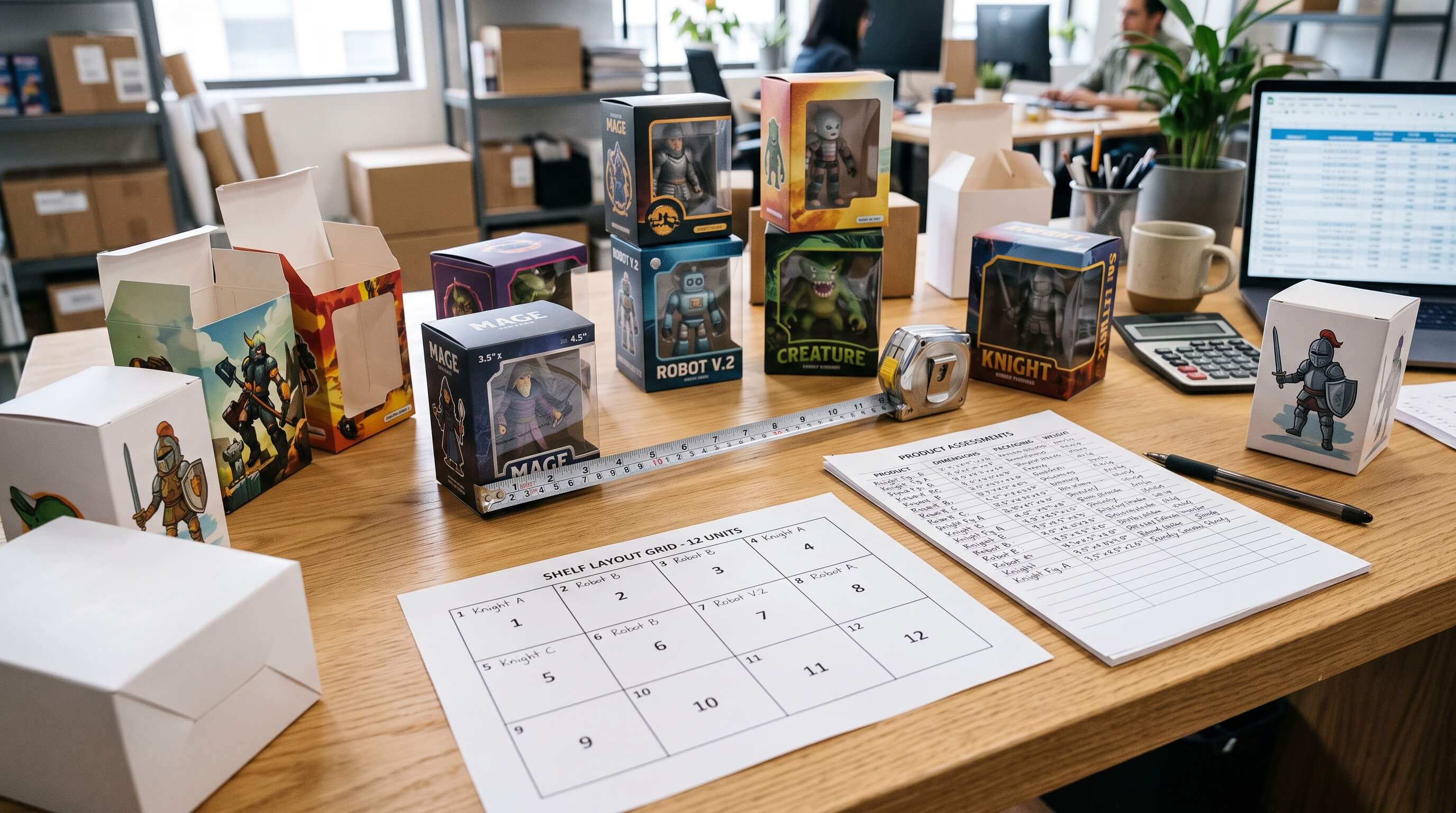
As a planning reference, a retailer may sketch a display using three possible unit widths: narrow, medium, and wide. If twelve units fit on a shelf in the narrow scenario but only eight fit in the wide scenario, your first order quantity and restock threshold may change. This is planning logic, not a claim about the actual Kimmon dimensions.
Specification questions to send early:
- What are the exact figure dimensions?
- What are the retail box dimensions and gross weight?
- Is the figure sold individually, in a sealed box, or in another format?
- How many units are in one inner pack and one master carton?
- Are product photos available from multiple angles?
- Are there any small parts, sharp points, age labels, or warning labels buyers should review for the destination market?
Carton math for a small Spring New Growth figure
Small figures often appear low-risk because each unit takes limited shelf space. The real buying decision, however, happens at carton level. A quote is not fully comparable until you know unit cost, carton quantity, carton size, estimated freight basis, packaging type, and any local fees or taxes you need to consider.
For example, two suppliers may quote the same unit cost, but one packs fewer units per carton with more protective space while another uses a tighter carton. The tighter carton may reduce freight volume, but it could increase corner dents if packaging protection is weak. The safer choice depends on whether your customers expect pristine collector boxes.
Ask for a landed-cost view rather than only a product-cost view. Buyers often compare:
- unit product cost;
- carton quantity and carton dimensions;
- estimated freight or shipping method;
- import duties, taxes, customs handling, or brokerage costs where applicable;
- expected damage allowance or inspection method;
- payment terms and currency risk, if relevant.
If you are comparing multiple collectible formats, it may help to benchmark this item against another character figure guide, such as the Little Monster CUPA-I Am Undefined Series, to see how different packaging and product styles may affect assortment planning.
Soft buying step: before requesting a final quote, prepare your expected order range, destination country, preferred shipping method, and whether box condition is critical. This helps the supplier respond with fewer assumptions.
Packaging checks for giftable and collectible presentation
For small figures, packaging is not just protection; it is part of the retail experience. A figure may look attractive in product photos, but creased boxes, weak seals, or unclear labels can reduce sell-through and increase customer complaints.
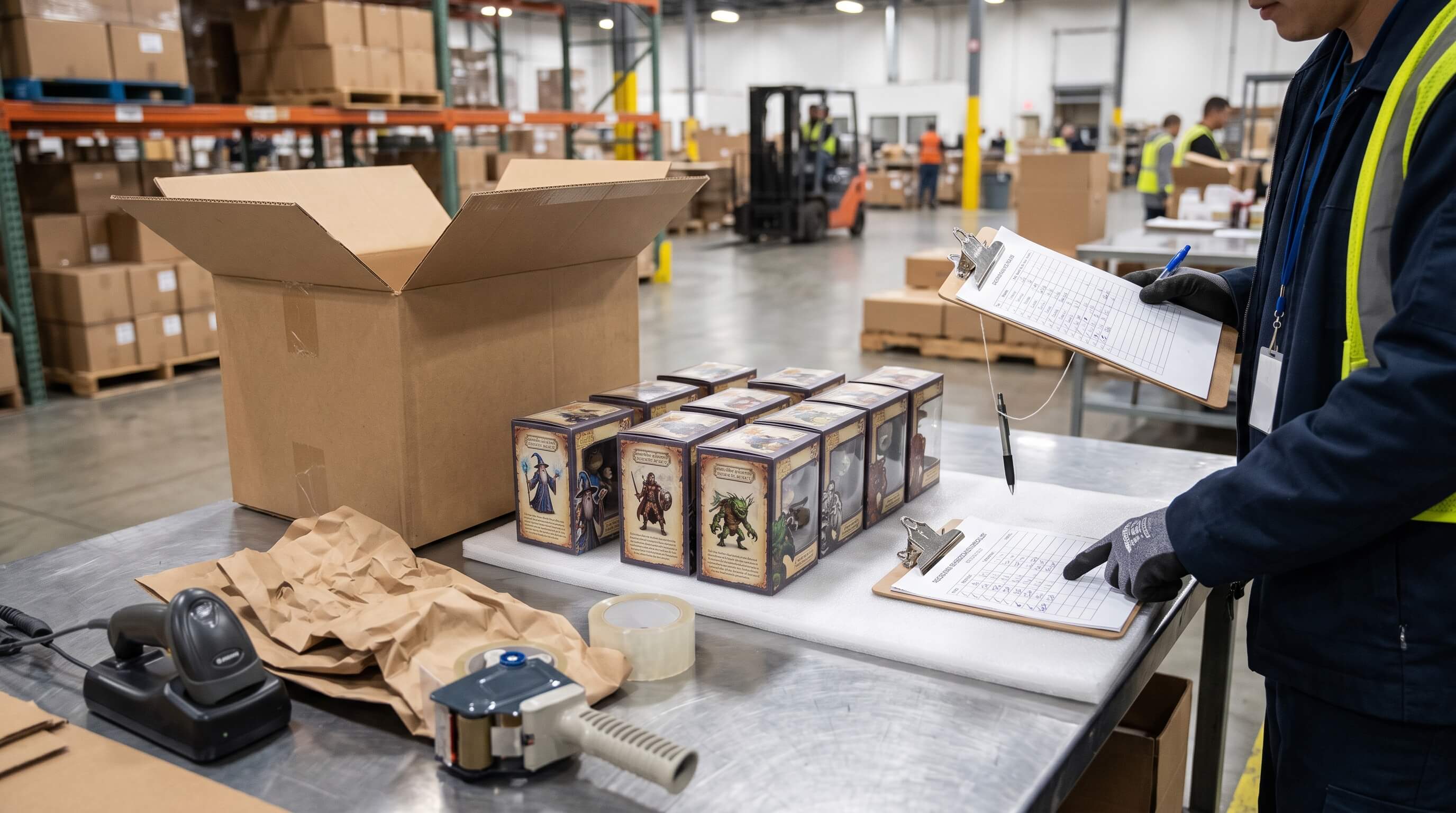
Buyers should request packaging photos from the front, back, side, top, and bottom. If possible, ask for a carton-opening photo showing how individual boxes are arranged inside the shipping carton. This is especially important if you sell to collectors who care about box condition.
Use this quick packaging checklist:
- Are retail boxes individually protected inside the master carton?
- Is the outer carton strong enough for the expected shipping route?
- Are corners, windows, hang tabs, or printed surfaces vulnerable to crushing?
- Is barcode or product labeling available if your store requires scanning?
- Are warning labels, age guidance, importer details, or language requirements needed for your market?
- Can the supplier provide photos of the actual packing method before shipment?
Compliance and labeling should be handled carefully. Do not assume a product is ready for every market. Buyers should verify destination-market toy safety, customs, labeling, and age-rating requirements with qualified advisors or local authorities where necessary.
Timing a first order without overcommitting to one small figure
A first order should help you learn, not trap you in slow inventory. Instead of guessing demand from online popularity alone, map how the Kimmon 200% figure will be tested in your channel.
As a planning reference, a small shop might test a figure line across one display shelf, one online listing, and one social post cycle before reordering. A larger retailer may test by store cluster or by category zone. The exact quantity should come from supplier MOQ, carton quantity, budget, storage limits, and your expected selling window.
Practical reorder questions include:
- At what remaining stock level will you request a new quote?
- Does the supplier expect the same item to be available for replenishment?
- Can you mix this item with related products in the same shipment if needed?
- How long will you keep the item in a feature display before moving it to standard shelving?
- Will you reorder only after sell-through data, or reserve backup inventory earlier?
Lead time should be confirmed rather than assumed. Ask when goods can be prepared, when shipment can depart, and which point in the process is only an estimate. For import orders, buyers should also allow room for customs clearance, port congestion, local delivery, and receiving inspection.
Warning signs when a Kimmon quote looks too easy
A fast quote can be helpful, but an incomplete quote can lead to wrong comparisons. Treat missing details as a follow-up task, not as a reason to ignore risk.
- ไม่มีข้อมูลบรรจุภัณฑ์: without carton quantity and size, freight and storage planning are guesswork.
- Only promotional images: request actual product and packaging photos to judge finish and box condition.
- Unclear product status: confirm whether the item is available, preorder, backorder, or subject to change.
- Vague MOQ language: ask whether MOQ is by unit, carton, mixed assortment, or order value.
- No labeling discussion: destination-market requirements may affect whether the product is ready for sale.
- Overly broad promises: be cautious with claims about guaranteed sell-through, guaranteed delivery dates, or compliance unless documented.
- Unclear damage process: ask how shortages, wrong items, or damaged cartons are documented and resolved.
One common mistake is choosing only the lowest unit price. For collector items, a slightly better packing method or clearer documentation may protect margin more effectively than a lower product quote that produces more damaged boxes.
Message template for requesting a Spring New Growth figure quote
A clear inquiry saves time and makes supplier replies easier to compare. Copy and adapt this template before you request pricing.
Hello, I am sourcing the Kimmon 200% Spring New Growth figure for retail sale. Please provide a quote with the following details: unit price, MOQ, case quantity, inner pack details, master carton dimensions and weight, available product and packaging photos, packaging method, estimated preparation time, shipping options to [destination], and any available labeling or compliance information. Please also confirm whether the item is currently available for order and whether future replenishment may be possible. Box condition is important for our customers, so please describe how retail boxes are protected during shipment. Thank you.
When replies arrive, put them into a simple comparison sheet. Use columns for supplier name, quoted unit cost, MOQ, carton quantity, carton size, estimated freight, packaging notes, documentation provided, and open questions. If two quotes cannot fill the same columns, they are not yet comparable.
Ready to evaluate the Kimmon 200% Spring New Growth figure for your store? Prepare your target quantity range, destination, packaging expectations, and display plan, then request a quote that includes carton-level details rather than only unit price.
คำถามที่พบบ่อย
What should retailers confirm before buying a Kimmon 200% figure?
Retailers should confirm exact figure dimensions, retail box dimensions, carton quantity, packaging method, MOQ, product availability, shipping options, and any labeling or compliance information needed for the destination market.
Does 200% mean the figure has a fixed universal size?
Not necessarily. Scale names can vary by brand or series, so buyers should ask for measured height, width, depth, boxed dimensions, and gross weight before planning displays or freight.
How can a store test a small Spring New Growth figure line?
A store can test demand by starting with a quantity that matches MOQ, carton structure, budget, and display space, then tracking sell-through, customer questions, and online engagement before reordering.
Why is carton information important for small collectible figures?
Carton quantity, size, and packing method affect landed cost, storage, freight estimates, and the risk of damaged retail boxes. Unit price alone is not enough for a reliable comparison.
What are common quote red flags for collectible figures?
Common red flags include missing carton details, only promotional images, vague MOQ terms, unclear availability, no packaging explanation, and unsupported claims about compliance or delivery guarantees.
Before you place that first order
The Kimmon 200% Spring New Growth small figure can be assessed like any serious retail product: confirm the specifications, understand the carton economics, protect the packaging, and compare quotes on equal terms. A careful first order gives you useful demand data while limiting avoidable inventory and shipping risk.
For buyers building a broader collectible section, compare the figure against nearby themes, sizes, and customer preferences rather than viewing it in isolation. The strongest purchase decision is not the fastest quote; it is the quote that gives you enough detail to plan shelf space, landed cost, and replenishment with confidence.