





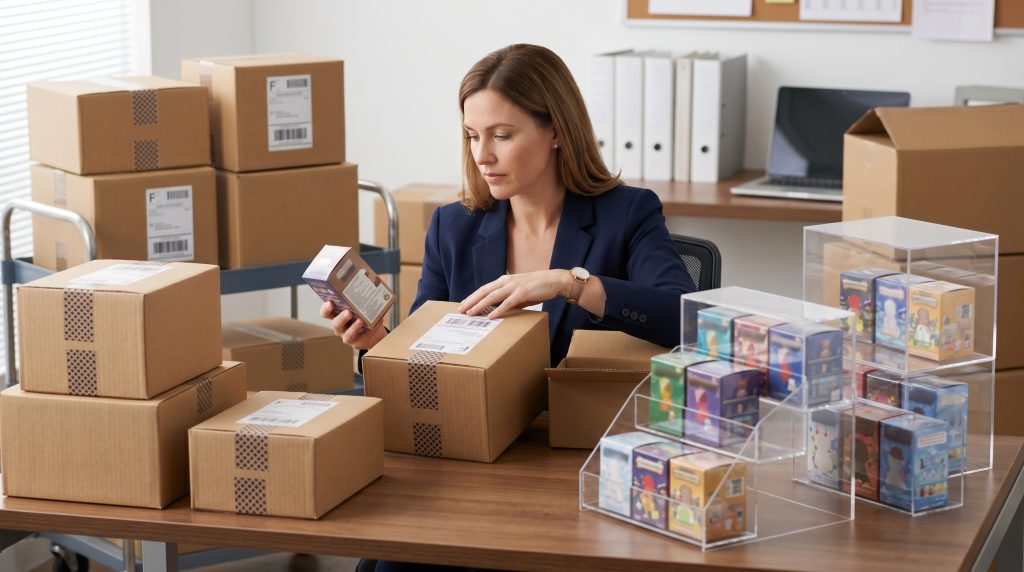
Buying authentic blind box wholesale stock is not just about avoiding obvious counterfeits. Retail buyers also need to confirm that each case is series-accurate, shelf-ready, legally sourced, and consistent with what customers expect from the brand or character line. A gift shop, anime store, mall kiosk, toy boutique, or pop-up seller can lose customer trust quickly if a blind box looks close but has the wrong artwork, inconsistent figures, damaged sealing, or mixed-language packaging that does not match the advertised series.
Use the checks below before you commit to a wholesale order. They are designed for buyers who need practical verification steps without relying on fake certificates, vague supplier promises, or unverifiable screenshots.
Ask the supplier to identify the exact series, release version, and selling unit before you review a quote
Before discussing quantity, ask the supplier to name the product line exactly as it appears on the brand packaging. That means the brand or IP name, series name, assortment name, figure count structure, and whether the unit is sold as single boxes, sealed display boxes, inner cases, or master cartons. For retail buying, “same style” or “similar design” is not enough.
Ask for clear product photos that show the front, back, side panels, bottom panel, barcode area, manufacturer information, and carton markings. If the supplier only sends lifestyle images or cropped product renders, request real warehouse photos of the current batch. For anime stores and collectible shops, this matters because customers often compare packaging details against online collector communities. For kiosks and gift shops, it reduces the risk of receiving mixed or unsellable stock.
Also confirm whether the supplier is offering the full current assortment, a partial assortment, leftover stock, or mixed series stock. A sealed display from one series is easier to merchandise than random loose boxes from several releases. If your store needs broader sourcing context, review this wholesale blind box buying guide for retail buyers before finalizing product type and order structure.
Choose a sourcing channel based on traceability before you compare carton volume
| Sourcing channel | Authenticity confidence | Series accuracy | Best fit for buyers | Main verification action |
|---|---|---|---|---|
| Brand-authorized distributor or appointed wholesaler | สูงขึ้น | Better | Anime stores, specialty toy shops, established gift retailers | Ask: can you provide proof of relationship and batch-level documents tied to these exact cartons, not only to your company name? |
| Direct factory or official production-side supplier | Higher when traceable | Better when the item is an official line | Retail chains, distributors, buyers planning repeat orders | Ask: is this an authorized finished product from the same production batch as the bulk goods, or is it an unlicensed design, sample run, or excess component? |
| Trading company with warehouse stock | Variable | Depends on batch control | Small retailers, kiosks, pop-ups needing flexible assortment | Ask: can you send current warehouse photos, carton labels, and a sample pulled from the same batch allocated to my order? |
| Marketplace, liquidation, or mixed-lot seller | ต่ำกว่า | Less predictable | Clearance tables only when authenticity and condition are verified | Ask: can each box or carton be checked against packaging, origin, condition, and series before payment, with no substitution after approval? |
Do not choose a supplier only because the displayed stock looks large. A large warehouse photo can include mixed batches, previous releases, damaged cartons, or gray-market goods. Traceability is more important than volume when your store advertises branded blind boxes.
Ask the supplier where the stock came from and whether the same source can support reorders. For mall kiosks, reorder consistency matters because a fast-selling line may need replenishment without changing packaging unexpectedly. For gift shops, consistent carton condition matters because many boxes are sold as impulse gifts. For anime stores, authenticity and complete series information matter because collectors often ask about chase figures, secret figures, and release versions.
If the supplier cannot explain whether the stock is official wholesale inventory, warehouse overstock, domestic-market stock, export-market stock, or mixed liquidation, slow down. Not every nonstandard channel is fake, but every unclear channel needs more inspection before payment.
Request sample boxes and inspect packaging details before approving bulk stock
A sample check should not stop at opening one figure. Inspect the unopened sample packaging first because most authenticity problems appear on the box before they appear on the toy. Compare the sample against the supplier’s listing photos, official brand images when available, and customer-facing images you plan to use in your store.
Before committing to a full master-carton order, buy a small verification quantity where the supplier allows it. For example, you might request one sealed display or one inner case as a verification order before scaling up. Treat those quantities as examples, not reliable minimums. The point is to inspect a unit that reflects the selling format you plan to reorder, instead of approving bulk goods from a single loose box or a staged photo.
Confirm in writing that the sample or verification quantity is pulled from the same production batch as the bulk goods allocated to your order. Also ask the supplier to confirm the case-pack and assortment count in writing so your reorder math is repeatable. Your note can be simple: “Please confirm the selling unit, case-pack, assortment count, and whether the sample is from the same batch as the bulk cartons.”
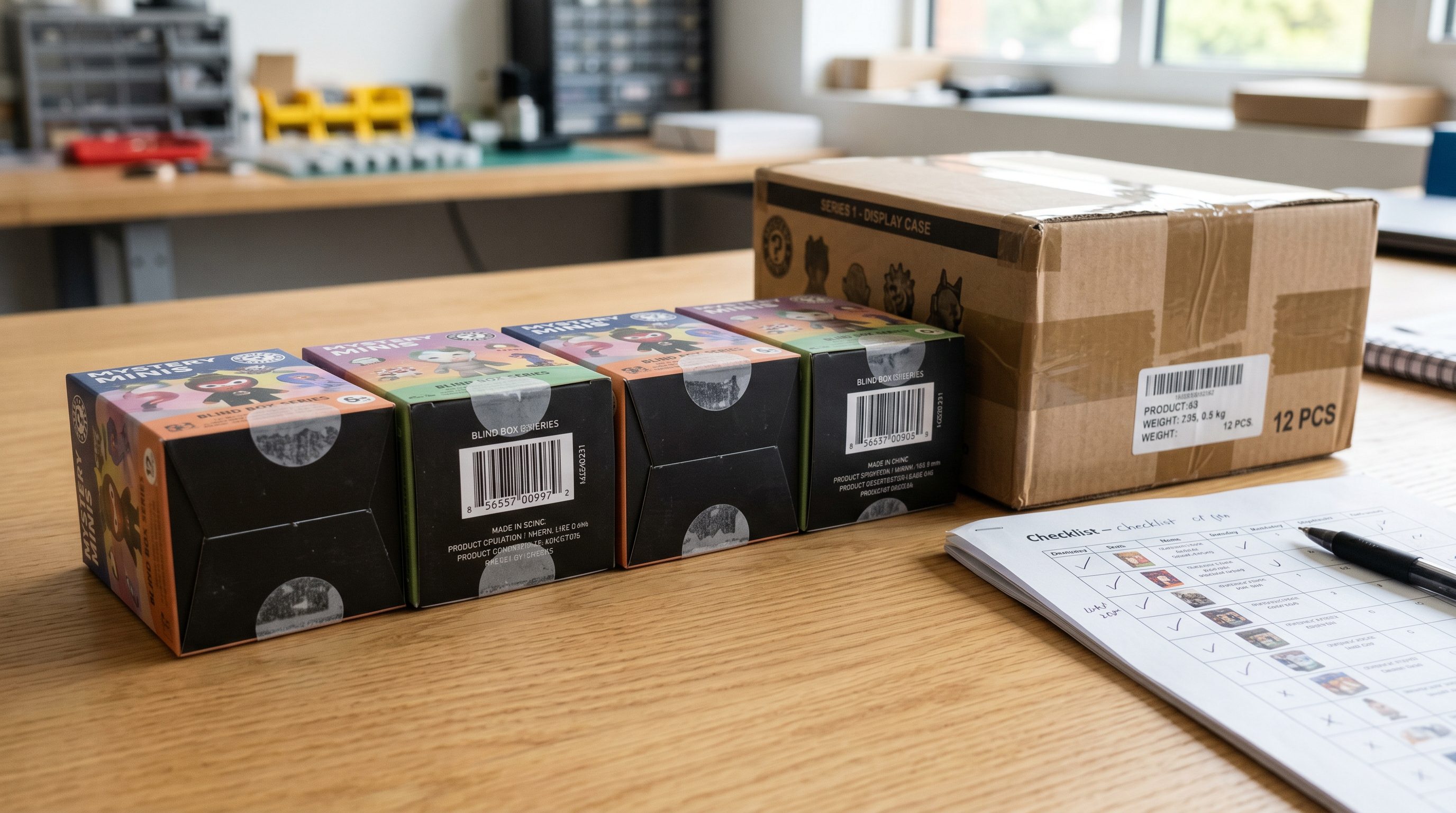
Check print sharpness, color consistency, logo placement, character names, series title, barcode area, manufacturer details, warning labels, and language layout. Poor translation, blurry character art, unusual fonts, off-center seals, misspelled brand names, and inconsistent color blocks are common red flags. Also inspect the shrink wrap or factory seal. Authentic retail units usually have consistent sealing for that product line; resealed boxes may indicate returns, opened assortments, or tampering.
For display cases, confirm that the outer display matches the individual boxes. A mismatch between the display tray and inner boxes can signal mixed stock or repacked goods. If you sell in a boutique gift environment, damaged or mismatched displays reduce shelf appeal. If you sell in an anime or collectible store, mismatches may trigger customer complaints even when the figure inside looks acceptable.
Keep photos of your approved sample and require the bulk shipment to match it. The phrase to use is simple: “Bulk goods must match the approved sample in series, packaging, carton labels, and condition.” This gives your buying team a concrete reference when the cartons arrive.
Check blind box contents for series accuracy, not only figure quality
After packaging inspection, open samples only after documenting the sealed condition. Look for whether the figure, card, insert, stand, accessory, and internal bag match the advertised series. A lookalike figure may have acceptable paint but still be the wrong release, wrong character set, or a non-official reinterpretation.
Series accuracy is especially important when buying plush, vinyl figures, keychains, pins, or small collectibles. For example, buyers sourcing soft toy assortments should compare size impression, material feel, character embroidery, hang tags, and box art against the intended product line. If your store focuses on soft collectibles, review current plush blind box wholesale options and apply the same sample checks before scaling into a larger order.
Do not rely on one opened sample if you are buying a full display or case format. Ask whether the assortment is factory-randomized, display-balanced, or supplied as mixed loose units. The supplier does not need to promise exact character outcomes, but they should be able to explain how the product is normally packed and whether the goods are sealed from the original production batch.
For collector-facing retailers, avoid advertising secret figure odds unless they come from official packaging or official brand material. Never let a supplier’s informal claim become your store’s customer promise. Instead, describe the product as a sealed blind box from a named series and show the lineup if the packaging provides it.
Review carton labels, batch consistency, and warehouse photos before paying the balance
Before the final shipment leaves the supplier, request photos or videos of the actual cartons allocated to your order. These should show outer carton markings, product name or code, case quantity format if printed, carton condition, and a wide shot connecting the cartons to the picking area. This does not replace inspection, but it helps confirm that the supplier is shipping the same goods you approved.
Make the pre-shipment media specific enough to audit later. Require a dated photo or video with your order number visible in-frame, or a written slip placed beside the cartons if the supplier cannot show the order record on screen. Ask for a carton count that matches the purchase order, plus at least one close-up of a carton label code that your team can compare with the approved sample photos and any earlier batch images.
Look for consistency across cartons. Mixed carton styles, crossed-out labels, relabeled cases, crushed packaging, or cartons from different series can indicate repacking or leftover consolidation. For a small gift shop, one inconsistent carton can create a merchandising headache. For a kiosk, it can disrupt a limited display plan. For a specialty anime store, it can create customer disputes if one case differs from the advertised line.
Ask the supplier to confirm whether cartons will be shipped as sealed cases or whether boxes will be consolidated for freight efficiency. Consolidation can be practical, but it should be disclosed. If sealed display integrity matters to your retail presentation, say so before shipping. Buyers should also ask how the goods will be packed to reduce box crushing, especially for blind boxes sold as gifts where packaging condition affects perceived value.
Reject gray-market lookalikes when supplier answers are vague or packaging is “almost the same”
Gray-market and lookalike goods can be difficult because they may not look obviously fake at first glance. The most common warning sign is vague language. Be cautious when a supplier says “inspired style,” “same factory quality,” “export version,” “no brand box,” “random character toy,” or “almost same as original.” These phrases may be acceptable for unbranded novelty products, but they are not acceptable when you are buying branded blind boxes.
Other red flags include missing manufacturer information, altered logos, inconsistent character names, packaging that avoids the actual brand name, unusually mixed series in one case, photos that change between messages, and refusal to provide current batch images. If the supplier pushes for payment before answering packaging questions, treat that as a risk signal.
Be careful with documents, too. General business licenses, shipping documents, or product test reports do not prove character licensing or brand authorization. They may be legitimate documents for other purposes, but they should not be treated as proof that a branded blind box is official. Ask for documents that relate directly to the goods being sold and the supplier’s right to distribute them, then compare those claims against the product packaging and sample.
When in doubt, choose a different product rather than forcing a risky purchase. Retailers can still build strong blind box shelves using verified unbranded designs, authentic-looking but properly sourced novelty items, plush assortments, seasonal gift boxes, or officially supplied character lines. The key is to label products accurately and avoid presenting lookalikes as official branded collectibles.
Set receiving rules so your store can hold or return mismatched blind box cartons
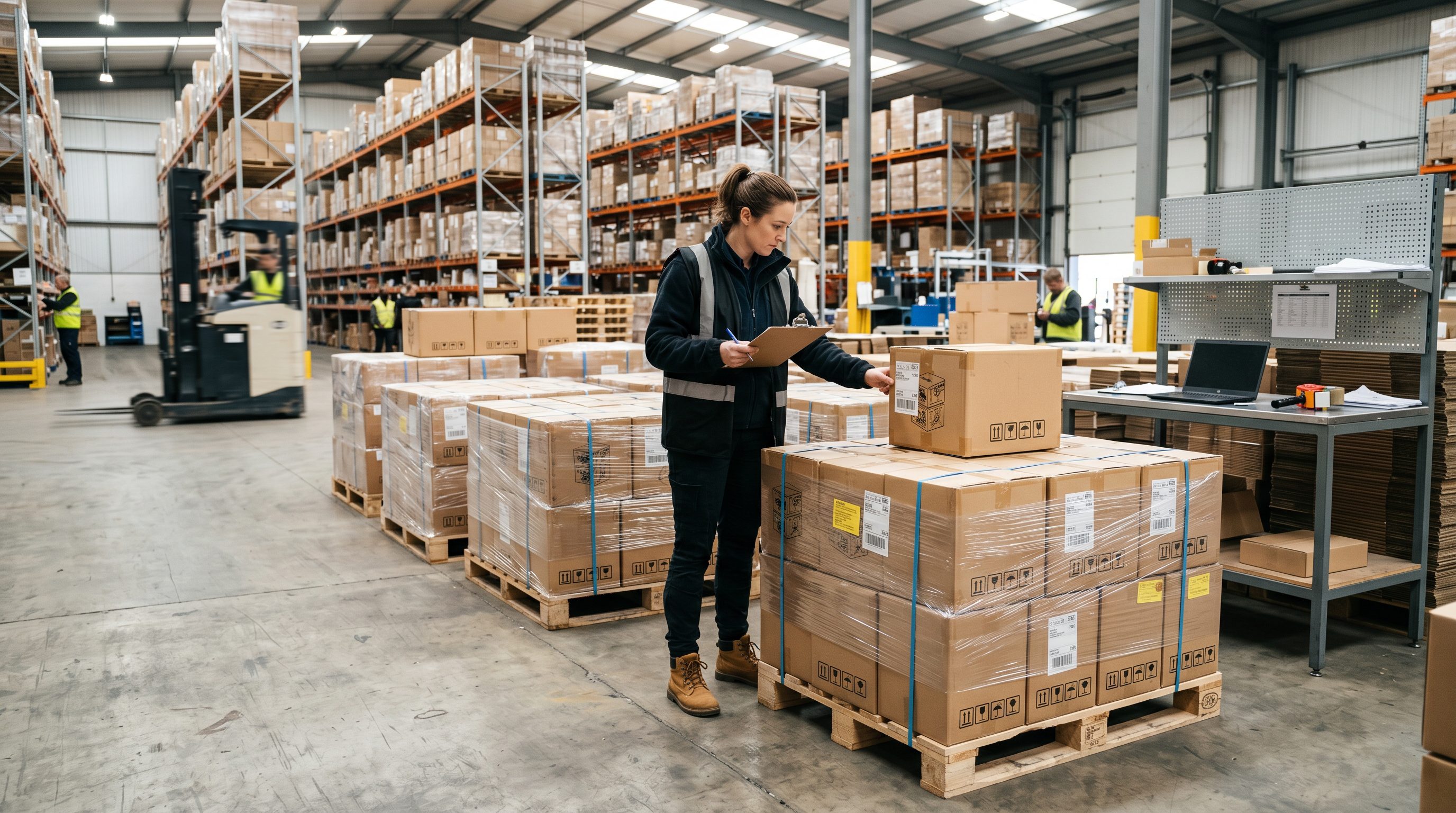
Verification should continue when the shipment arrives. Create a receiving checklist for your staff: compare cartons to pre-shipment photos, inspect carton condition, confirm the carton count against the purchase order, open one outer carton for spot checking, compare inner boxes to the approved sample, and photograph any mismatch before the goods enter your sales floor.
For multi-location retailers, send the approved sample photos to every receiving team. For kiosks, keep one reference box at the back counter so staff can compare new stock quickly. For anime stores, document character lineup, box art, seal condition, and carton label codes before merchandising because collectors may ask detailed questions after launch.
Your purchase order or order confirmation should state what happens if goods do not match the approved sample. Avoid vague language like “good quality.” Use specific wording: same series, same packaging, same display format, unopened condition, carton count matching the PO, and no substitution without written approval. This gives both buyer and supplier a clear standard without inventing certifications or relying on subjective claims.
If you want a supplier to quote only verified, retail-ready blind boxes for your store type, send your target series, packaging requirements, selling format, and stock plan through the คำขอใบเสนอราคาสำหรับบลายด์บ็อกซ์ขายส่ง. Include whether you need sealed displays, plush assortments, anime-friendly lines, kiosk-ready mixed stock, or gift-shop presentation quality so the sourcing team can match the order to your authenticity checks.
ขั้นตอนต่อไป: ดูของเรา เรียกดูหมวดหมู่ เพื่อวางแผนการสั่งซื้อของคุณ.

