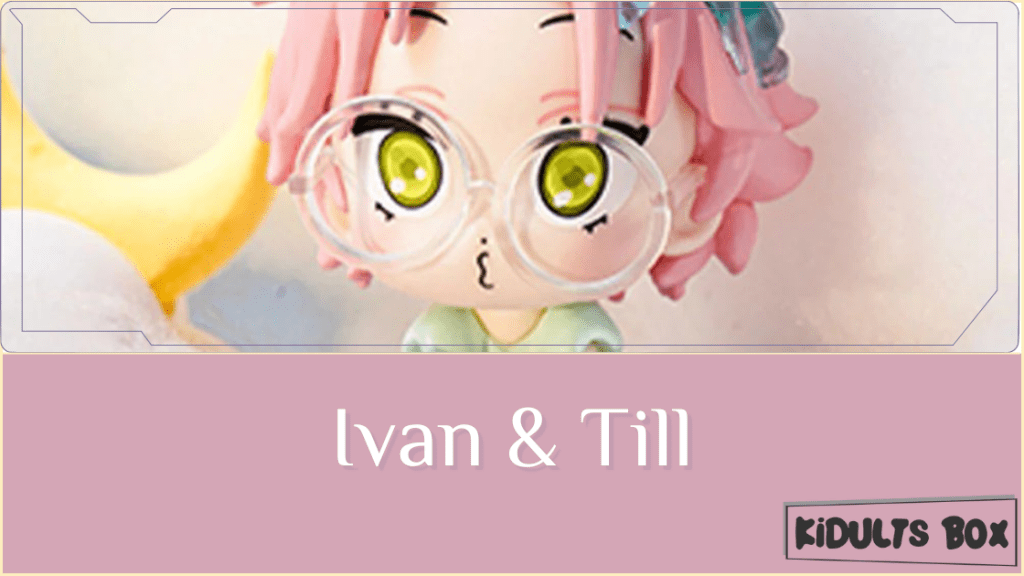





Two listings can use nearly identical character photos while selling very different things: a miniature display piece, a hanging accessory, or a pack whose contents are unclear. Before you treat two Alien Stage Rice Grain prices as comparable, establish the physical format and the exact purchasing unit each listing is selling.
For collectible retailers, online resellers, and accessory shops, those distinctions change merchandising, customer expectations, and receiving checks. This guide provides a listing-verification method, not a confirmed specification sheet for a particular release. Treat terms such as “rice grain,” “figure,” and “chain” as descriptions to investigate rather than proof of size, construction, or contents.
How to Read Alien Stage Rice Grain Listings Beyond the Title
Start with the selected variant, not the main image. A gallery may show several characters, a complete display, or accessories that are not included in every option. Save the listing title, variant selection, seller SKU, and quoted contents together so later edits to the listing do not erase your purchasing reference.
Ask the supplier to classify each option in plain language: freestanding figure, figure with attachment hardware, charm without hardware, or another specified format. Do not assume that “rice grain” is a standardized dimension or material.
| Listing detail | What to verify | Why it changes the buying decision |
|---|---|---|
| Selected variant | Exact SKU and a photo of that option | Prevents ordering the wrong format from a shared gallery |
| Physical format | Display figure, hanging piece, or loose component | Determines shelf display versus accessory merchandising |
| Dimensions | Figure dimensions separately from total hanging length | A chain measurement can exaggerate the apparent figure size |
| Material | Body, decorative parts, and hardware materials | Supports accurate descriptions and sample evaluation |
| Included fittings | Chain, ring, clasp, loop, base, or none | Identifies missing components and assembly work |
| Character selection | Chosen character, random unit, or defined assortment | Changes duplicate risk and customer-facing claims |
| Sales unit | One piece, retail box, set, display, or carton | Makes quoted unit costs comparable |
| Retail packaging | Actual package photo and included inserts | Shows whether stock fits the intended sales channel |
A collectible shop may prioritize display stability and identifiable characters. An accessory retailer needs to check attachment usability. An online reseller needs precise measurements and contents to reduce “smaller than expected” or “chain missing” complaints.
Does “Chain” Mean a Finished Accessory or Just a Fitting?
A hanging product is not automatically a ready-to-use keychain. Ask whether the quoted item includes the complete attachment assembly, and whether the hardware arrives attached, packed separately, or not included at all. Confirm whether a chain connects directly to the figure or to a separate holder.
Request close-up photos of the attachment point, connecting rings, closure, and underside. If the same character appears in both the figure and chain listings, ask whether the body is identical or whether one version has a molded loop, a drilled attachment, or a different base.

On a sample, check whether the connection closes properly, whether any edges feel sharp, and whether ordinary handling loosens the fitting. These are preliminary buyer checks, not substitutes for any applicable formal safety or durability testing.
- For shelf display: confirm whether the figure stands independently or needs an included support.
- For bag attachment: check the closure and whether projecting details can snag.
- For resale as a component: state clearly which additional fittings the customer must supply.
The broader distinction between display and hanging merchandise also appears in this comparison of plush and figure formats. Borrow the format-first approach, but do not transfer another series’ specifications to this listing.
When a “Set” Is Not a Complete Character Assortment
Words such as “set,” “box,” and “whole box” need written clarification. A set could describe a figure plus chain, several random units, or a defined character assortment. None of those descriptions establishes a complete collection unless the supplier explicitly confirms the contents.
Ask for quantities at each packing level: individual saleable unit, retail package, inner display, and outer carton. Then confirm the minimum order quantity for the exact format, whether characters can be mixed, and whether mixed orders change packaging or pricing.
For example, a retailer planning a 24-unit trial might prefer 12 display pieces and 12 chain accessories. That is only a planning example; the supplier must confirm whether that split is possible and whether each format carries its own ordering minimum.
- Is character selection available, or is allocation random?
- Does a sealed display have a documented assortment rule?
- Are duplicates possible, and is any no-duplicate claim documented?
- Can the same assortment be requested on a reorder?
For another example of separating dimensions from purchasing options, see the mini blind box size and set guide. The transferable lesson is to document the pack hierarchy before calculating demand.
Want to narrow down two similar options? Send the supplier the selected-variant screenshots and request a side-by-side contents list. This is a low-commitment way to resolve ambiguity before requesting a full quotation.
Why the Cheaper Mini Figure Quote May Cost More to Sell
Compare costs per saleable retail unit, not per vaguely described “box.” A loose figure quote and an individually packed chain quote may cover different amounts of packaging, hardware, and preparation work.
Your estimated landed cost per saleable unit equals product cost, required packing or assembly, freight, applicable import charges, and relevant receiving costs, divided by the expected saleable quantity. Keep any allowance for damage or preparation loss explicitly provisional until a sample or an actual order supports it.
Ask for packed carton dimensions and gross weight for the proposed quantity. Small products can still require protective or display packaging that drives the freight calculation. Confirm the shipping term, destination, and included charges; verify duty and tax assumptions with a qualified adviser for the destination market.
For timing, separate availability confirmation, order preparation, dispatch, transit, and customs clearance. A statement that an item is “available” does not establish a dispatch date for your quantity or chosen assortment.
Build the first order around learning which format sells. Track figures and chains as separate SKUs, even when they show the same character. Set reorder decisions against observed sales and the supplier’s current replenishment estimate rather than assuming both formats will remain equally available.
Inspecting Small Details, Hardware, and Retail Packaging on Arrival
Request photos of the actual retail pack and the shipping arrangement. Look for separation between painted surfaces and metal fittings, protection around projecting details, and enough restraint to stop pieces moving freely. Confirm whether any protective sleeves or inserts shown are included in the quoted packing specification.

When reviewing samples, record defects separately for the body, the fitting, and the retail package. A marked display figure, a distorted clasp, and a crushed box each create different resale problems. Agree on an acceptance process, and on how shortages or damage should be documented, before payment.
- Compare the sample’s dimensions and contents with the written specification.
- Inspect visible surfaces for chips, scuffs, uneven decoration, or loose parts.
- Check hardware closure and any required base or support.
- Review package labels, warnings, and traceability information where applicable.
For branded merchandise, request evidence supporting authenticity and the supplier’s right to distribute the goods. Attractive packaging and a franchise name in the title are not sufficient evidence of authorization.
Buyers should verify destination-market requirements for product classification, age grading, small parts, materials, labeling, and importer responsibilities. Do not assume that calling an item a collectible removes applicable obligations. Any documentation supplied should match the actual product and the intended market.
Turn Ambiguous Figure Listings into a Written Quote
Pause when a supplier cannot identify what the selected option includes. Other warning signs include dimensions that change between messages, assortment promises that are absent from the written quote, and “official” claims without supporting evidence. These issues call for clarification or further verification, not assumptions based on the gallery.
Another common mistake is approving a sample without tying it to the order SKU. Save the approved sample photos and record which specifications must remain unchanged. For a complementary first-order framework, review the questions to confirm before a first collectible wholesale order.
Use this inquiry template to make competing quotations easier to compare:
Please quote the attached Alien Stage figure and chain variants separately. For each SKU, confirm the physical format, body dimensions, total length where relevant, materials, included fittings, and retail packaging. State whether character selection is available or allocation is random.
Please specify the price basis, minimum order, units per retail pack and carton, mixed-order rules, packed carton dimensions and weight, and estimated preparation and dispatch timing. Identify shipping terms, included charges, and any assembly required. Please provide actual-item photos, sample terms, relevant authenticity or distribution evidence, and applicable product documentation for review.
Add your destination, sales channel, target receipt date, and proposed quantity. Ask the supplier to flag any unanswered point rather than silently substituting another format.
Before placing an order, request a revised written quote that resolves every format, fitting, and pack-count question. Approve the selected SKU, contents, packaging, and sample reference together so the purchasing record defines what should arrive.
FAQ
Does “rice grain” specify the figure’s exact size?
Do not treat it as a standardized measurement. Request body dimensions and, for hanging versions, total length including the hardware.
Does a chain listing always include a complete keychain?
No such assumption is safe from the title alone. Confirm the included chain, ring, clasp, attachment point, and whether assembly is required.
Are these listings necessarily blind boxes?
No. Verify whether the selected SKU is a random sealed unit, a chosen character, or a defined assortment before describing it to customers.
How should buyers compare figure and chain prices?
Normalize each quote to one saleable retail unit, including required hardware, packaging, assembly, freight, and applicable import charges.
How can a buyer check whether merchandise is authorized?
Request evidence of authenticity and distribution rights that matches the goods being offered. Verify the evidence rather than relying on listing wording or packaging alone.
Before You Commit to Figures or Chains
Choose the format that fits your sales channel, then lock down its contents and purchasing unit. A clear SKU specification, a reviewed sample, and a comparable landed-cost estimate provide a stronger buying basis than similar photos or a lower headline price.