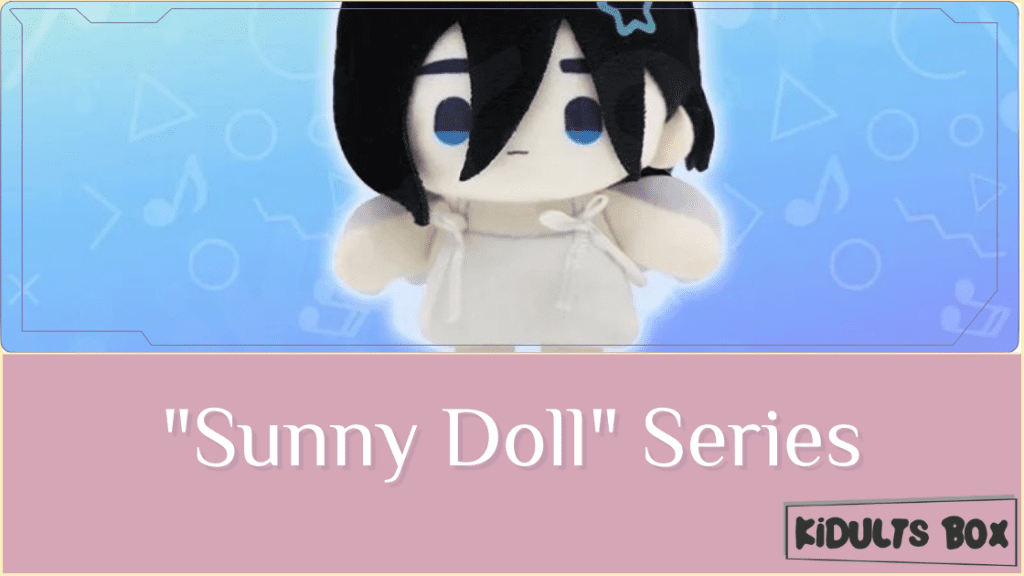





Whether a novelty plush line earns a reorder depends on far more than how appealing a character looks in a supplier photo. Shelf footprint, tactile quality, assortment structure, packaging condition, and the true cost of receiving saleable units all decide whether the item pays its way. A Fluffy Monster Blind Box can suit gift and toy stores, but only after its exact format and commercial terms are confirmed in writing.
The word “fluffy” is not a complete specification. It might describe a fully plush character, a flocked surface, a textile costume, or a hybrid figure with soft components. Before comparing quotes, buyers should establish what the item actually is, how it is packed, and whether each case contains a defined assortment or an unpredictable mix.
How a Fluffy Monster Blind Box Fits Different Retail Floors
The right order depends on how customers encounter the product. A collectible-focused toy shop may sell individual boxes beside other character series, while a gift store may position them near checkout or include them in themed gift bundles. Online retailers need consistent photography, dimensions, and variant information so that listings do not imply customers can select a specific hidden design.
- Independent toy stores: Compare the series with existing collectible price points, display space, and customer age profiles.
- Gift and lifestyle shops: Check whether the character style works for birthdays, small treats, desk décor, or stocking-filler-style purchases.
- Pop-culture retailers: Ask whether the artwork and presentation are distinctive enough to avoid blending into a crowded blind box display.
- Online sellers: Confirm product photography permissions, package dimensions, variant count, and whether boxes can be fulfilled individually without damage.
- Event and pop-up sellers: Favor manageable case quantities and packaging that can tolerate repeated handling during transport and setup.
Retailers comparing soft collectible formats may also review this guide to choosing between Nommi Baby and Sitting Zoo plush series. It demonstrates why format, audience, and display context can matter more than character appeal alone.
Confirm the Monster’s Construction Before Comparing Quotes
A low unit quote is not meaningful if one supplier is quoting a small plush charm and another is quoting a larger display plush. Send every prospective supplier the same specification questions and record the answers in a comparison sheet.
| Point to verify | Question for the supplier | Retail reason |
|---|---|---|
| Product construction | Is the character fully plush, flocked, fabric-covered, or made from mixed materials? | Construction affects customer expectations, handling, cleaning guidance, and freight density. |
| Dimensions | What are the product and retail-box dimensions, and how are they measured? | Buyers need both figures for shelf planning and online fulfillment. |
| Variant structure | How many regular designs are in the series, and is a secret design possible? | This shapes display messaging and customer expectations. |
| Functional format | Is it a freestanding plush, hanging charm, keychain, figure, or another format? | The use case changes where and how the item should be merchandised. |
| Case configuration | How many individual boxes are packed in a display or master carton? | Case quantity determines the practical order increment. |
| Assortment method | Is a sealed case arranged to reduce duplicate regular designs, or is it random? | Do not promise a complete set without written confirmation. |
| Retail packaging | Are individual boxes sealed, and is a countertop display included? | Seals support blind-box integrity; displays can reduce setup work. |
| Labels and documentation | What product, material, age, warning, and origin information appears on the packaging? | Buyers must evaluate suitability for their destination market. |
| Outer carton | What are the carton dimensions, gross weight, and number of retail units? | These details are required for freight and landed-cost estimates. |

Ask for current images of the product, retail box, inner display, and outer carton rather than relying only on promotional artwork. If softness is central to the buying decision, request close views of seams, embroidery or printed details, pile direction, and attachment points.
Why Sealed Cases Change Your Assortment Risk and Order Size
MOQ and case pack are separate figures. A supplier may state an order minimum in pieces, but the product may only be available in complete displays or master cartons. Ask whether the quoted quantity can be divided and whether doing so changes the assortment.
As a planning example, a store testing 24 units might prefer two sealed 12-unit displays over 24 loose boxes if the sealed format offers a documented assortment structure. This is only a planning comparison; actual case quantities and variant allocation must come from the supplier.
Buyers should confirm:
- MOQ expressed in individual units, inner displays, and master cartons;
- number of blind boxes in each sealed display;
- whether master cartons contain identical or mixed displays;
- whether loose units originate from opened cases;
- whether sealed cases have a stated duplicate policy;
- how secret variants affect regular-design distribution, if applicable;
- whether samples use the same packaging and construction as saleable stock.
The distinction is covered in more detail in the guide to sealed series sets versus mixed blind box assortments. Use that comparison before advertising full-set availability.
Calculate the Cost of a Saleable Plush Unit
Compare quotes using landed cost per saleable unit, not the product price alone. A useful worksheet starts with merchandise cost, export or handling charges disclosed by the seller, freight, insurance where applicable, customs-related charges, local delivery, payment costs, and an allowance for damaged or unsaleable packaging.
Planning formula: total estimated order cost divided by the number of units expected to arrive in saleable condition.
Soft products can occupy more carton volume than small hard figures, while presentation boxes may prevent efficient compression. Request carton measurements and gross weight before choosing a freight method. Buyers should also clarify the applicable Incoterm or, at minimum, document exactly which transport and customs costs are included in the quote.
Do not use a universal duty or tax assumption. Classification, valuation, import taxes, and documentation requirements vary by destination and product construction, so buyers should verify them with an appropriate customs or logistics professional.
If the series appears suitable for your audience, request a quote using one specification sheet and one target quantity. That makes supplier responses easier to compare and exposes missing cost components early.
Protect Fluffy Surfaces and Gift-Ready Boxes in Transit
For a gift-oriented product, a crushed retail box can be a commercial defect even when the character inside is intact. Ask how individual boxes are restrained inside the display and how displays are protected in the master carton. Excess movement can create corner damage, scuffing, broken seals, or compressed plush surfaces.
Sample and arrival checks
- Photograph the unopened shipping carton and any visible impact damage.
- Count displays and individual units against the packing list.
- Review a sample across different carton positions, not only the top layer.
- Check seals, box corners, printing consistency, odors, loose fibers, seams, and attached components.
- Compare product and packaging details with the approved sample or documented specification.
- Record defects by type and carton so that any supplier discussion is evidence-based.
For example, a buyer receiving several cartons may inspect units from the top, middle, and bottom of each carton rather than opening only one convenient display. The appropriate inspection plan should reflect order value, product risk, and the buyer’s own quality procedures.
Buyers must also verify that materials, warnings, age grading, labeling, traceability information, and testing documentation are appropriate for the destination market. Do not treat a supplier’s general statement such as “safe” or “export quality” as a substitute for specific, current documentation.
Time Reorders Around Sales Velocity, Not Excitement
A first order should answer specific questions: Does the packaging stop shoppers? Do customers buy one box or several? Are duplicates generating complaints? Does the plush format sell better online or in store? Track those points by series rather than grouping all blind boxes together.

For a planning example, a retailer may set a reorder review when roughly half of the test quantity has sold, then compare weekly sales with the supplier’s stated preparation time and the estimated transport window. This is not a universal reorder threshold; it is a way to avoid waiting until the last display is opened.
Ask the supplier to separate production or order-preparation time from transit time. Also ask when timing begins: after payment, after specification approval, or after another milestone. If the line has uncertain continuity, confirm whether future orders are expected to use the same packaging, assortment, and product specification.
Stores building a broader plush assortment can compare these considerations with the Siinono plush blind box sourcing guide. The comparison may help buyers decide whether two soft series serve different customers or compete for the same shelf space.
Warning Signs to Resolve Before Paying for Monster Stock
Warning signs are usually gaps between the sales image, quote, and commercial paperwork. Pause the order if the seller will not define the product material, changes case quantities without explanation, avoids providing carton data, or claims a sealed set is “complete” without describing the assortment rule.
Other mistakes include comparing quotes with different freight terms, assuming every loose box is unopened, approving only character artwork while ignoring packaging, and using a sample as proof of future batch consistency. Buyers should retain the agreed specification, images, quantity, packaging details, and defect-resolution process in writing.
Quote request checklist
- Exact series name and requested version;
- product construction, dimensions, and accessories;
- regular and secret variant structure;
- MOQ, display pack, and master-carton quantity;
- sealed-case assortment explanation;
- unit, display, carton, sample, and packaging costs as applicable;
- carton dimensions and gross weight;
- quote currency, validity, payment terms, and included charges;
- order-preparation estimate and shipping term;
- packaging images and available compliance documentation;
- process for reporting shortages, damage, or specification differences.
Inquiry template: Please quote the Fluffy Monster Blind Box for resale in [destination market]. Our initial planning quantity is [quantity or number of sealed displays]. Please confirm construction, product and box dimensions, all variants, sealed-display configuration, MOQ, master-carton quantity, carton size and weight, quote currency, included charges, preparation estimate, shipping term, packaging details, and available product documentation. Please also explain how shortages, transit damage, or specification differences are handled.
When comparing character concepts, retailers may find the Little Monster Cupa buyer guide useful as a separate reference point for evaluating theme, assortment, and store fit.
Before committing funds, send the same completed inquiry to each shortlisted source and require a line-by-line response. Request clarification wherever a quote says only “one case,” “standard packing,” or “shipping included,” because those phrases do not define a comparable commercial offer.
FAQ
What should retailers confirm first about a Fluffy Monster Blind Box?
Confirm whether it is fully plush, flocked, fabric-covered, or a mixed-material product. Then verify dimensions, variant count, functional format, sealed-case configuration, and retail packaging.
Is a sealed case better than buying loose blind boxes?
A sealed case may provide clearer assortment integrity, but it is not automatically a complete set. Ask for the written case configuration and duplicate policy before making that claim to customers.
How should a store choose an initial order quantity?
Base the test quantity on available display space, expected weekly sales, case increments, freight efficiency, and the amount of inventory the store can carry. Avoid choosing a quantity from unit price alone.
Which packaging defects matter for gift-store resale?
Crushed corners, broken seals, scuffed printing, moisture exposure, and deformed display cartons can make otherwise intact products difficult to sell as gifts. Define acceptable packaging condition before ordering.
What documents should import buyers request?
Request product specifications, material information, packaging and label images, origin details, and any available test or compliance documents relevant to the item. Buyers should independently verify destination-market requirements.
Build the First Order Around Verifiable Details
A visually appealing monster character is only the starting point. A sound retail decision requires a defined product format, documented assortment, workable case quantity, realistic landed-cost calculation, packaging controls, and a reorder plan based on actual sales.
Use one comparison sheet for every quote and leave unknown fields visible rather than filling them with assumptions. That process makes it easier to identify the option that fits the store’s audience, shelf space, logistics, and acceptable inventory risk.