



Small accessories are easy to overbuy because the unit size looks low-risk, but retail performance depends on assortment appeal, packaging condition, attachment quality, and carton-level cost. When you look at the Kimmon Take You on a Trip Bag charm, the real decision is not only whether the character looks cute; it is whether this travel-themed format fits your store, your display space, and your reorder cycle.
This guide is written for retailers, gift shops, anime and collectible stores, online sellers, and pop-up buyers comparing a travel bag charm line before requesting a quote. Use it to prepare better questions, compare supplier replies, and avoid ordering based only on product photos.
Where a Kimmon bag charm fits in a retail assortment
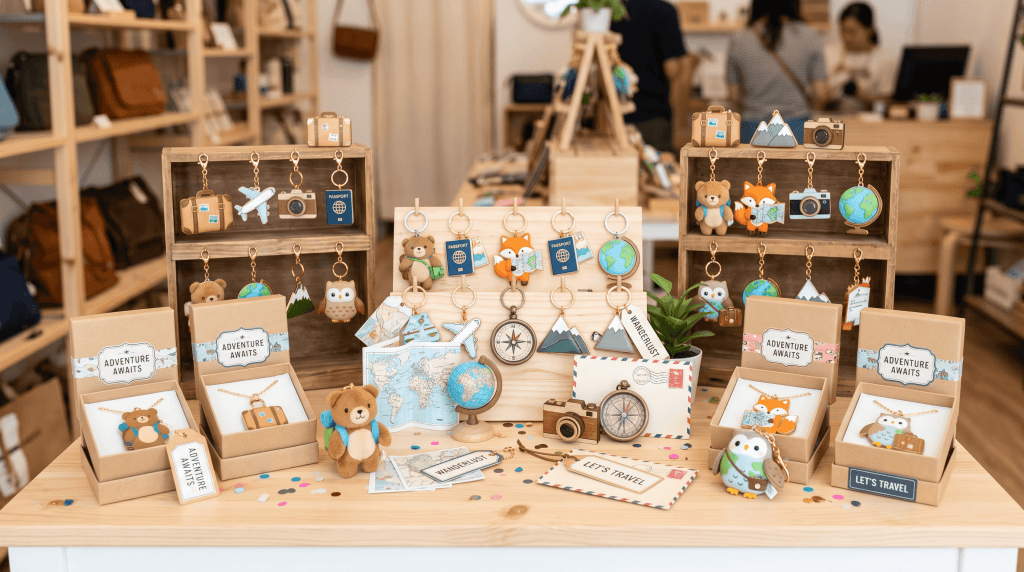
A Kimmon bag charm can work as an impulse accessory, a small gift item, or an add-on beside larger figures and blind boxes. The travel theme matters because these designs often connect with customers who decorate handbags, backpacks, key rings, display shelves, or luggage-style pouches.
Before quoting, define the role of the item in your store. A boutique may treat it as a giftable bag accessory. A collectible shop may merchandise it beside character figures. An online seller may use it as a lightweight add-on to increase basket size. Each use case affects how many designs you need, how much packaging protection matters, and whether single-unit display or full-case sales make more sense.
- For gift shops: ask whether the product packaging is suitable for gifting or needs an extra bag, sleeve, or shelf tag.
- For collectible retailers: confirm whether the series has multiple designs and how the assortment is packed.
- For online sellers: check the finished item size and package dimensions so you can estimate mailer choice and damage risk.
- For pop-up events: plan how many pieces can be displayed without tangling straps, hooks, or hang tags.
If you already sell Kimmon character items, the bag charm may be easier to explain to shoppers because the visual style is familiar. Buyers comparing character-format products may also want to review the Kimmon 200% Spring New Growth Figure sourcing guide for broader assortment planning around the same IP style.
Confirm the travel bag charm format before you compare quotes
Two quotes are not comparable until the product specification is clear. With a bag charm, small construction differences can change both perceived value and after-sale risk. Ask for a specification sheet or written confirmation instead of relying only on catalog images.
| Buyer check | What to ask | Why it matters |
|---|---|---|
| Charm body | What material and finish are used for the main character or bag-shaped part? | Material affects weight, hand feel, cleaning, and perceived retail value. |
| Attachment hardware | Is it a key ring, clasp, chain, cord, or mixed attachment? | Hardware determines how customers attach it to bags and how easily it may loosen. |
| Series assortment | How many designs are in the series, and how are they packed per case? | Assortment balance affects duplicate risk and display planning. |
| Packaging type | Is each item boxed, bagged, carded, or packed in a blind format? | Packaging changes shelf presentation, barcode use, and shipping protection. |
| Carton information | What are the inner pack and master carton quantities? | Carton count drives landed cost, storage space, and reorder timing. |
| Labeling | What product labels, age guidance, and import markings are present? | Buyers should verify labeling requirements for their destination market. |
| Photo confirmation | Can the supplier provide current product, packaging, and carton photos? | Current photos reduce the risk of outdated catalog references. |
A simple decision rule: if a supplier cannot confirm hardware type, packaging format, and case quantity in writing, do not treat the quote as final. It may still be worth discussing, but mark it as incomplete until the missing details are clarified.
How to plan first-order quantities without guessing demand
Bag charms are small, but that does not mean every design sells evenly. Plan around store traffic, expected display space, and reorder access rather than choosing a quantity only because the item looks affordable.
As a planning reference, a retailer might test one compact display with a limited number of pieces per design, then reorder after seeing which designs customers pick up first. An online seller may list the full series but keep a smaller reserve for replacements, exchanges, or content photography. These are planning examples, not recommended MOQs or supplier terms.
Ask the supplier these order-planning questions before confirming:
- Is there a minimum order quantity by piece, case, or full assortment?
- Can a buyer order mixed designs, or are cases pre-assorted?
- Are display boxes, counter trays, or hanging cards included, if applicable?
- Can the same product be reordered later, or is availability limited by batch?
- Will the supplier hold the same version if a reorder is placed soon after the first shipment?
If your store also carries character bag accessories from other series, compare how shoppers respond to similar formats. For example, the Baby Three Take Me Out Zipper Bag trend guide can help you think through how bag-related collectibles differ from standard figures in display and customer use.
Why carton-level cost matters for a travel bag charm
A low unit quote can become less attractive after freight, payment fees, packaging reinforcement, storage, and damage allowance are considered. For a travel bag charm, carton efficiency matters because the product may include protruding hardware, decorative packaging, or air space that changes freight volume.
Request the details needed to estimate landed cost before comparing suppliers. At minimum, ask for the unit price basis, inner pack, master carton quantity, carton dimensions, gross weight, and recommended shipping method. If you import into a different country, confirm customs classification and duties with a qualified broker or local advisor rather than assuming a generic accessory rate.
Use a landed-cost worksheet with columns such as product cost, domestic handling, international freight, import charges, payment fees, inspection cost, and packaging loss allowance. Even if you do not know every number yet, the worksheet shows which quote is still incomplete.
Soft buying tip: If you are preparing a quote request for the Kimmon Take You on a Trip Bag, send the supplier your target selling channel and ask for carton details at the same time as unit pricing. That saves a second round of emails and makes your comparison cleaner.
Protect hang tags, clasps, and gift-ready packaging in transit
Bag charms often look simple, but their weak points are practical: bent hang cards, scratched clear windows, loose clasps, crushed corners, and tangled chains. These issues can reduce sell-through even when the charm itself is acceptable.
Before placing an order, ask how individual units are separated inside the inner pack. If hardware can rub against printed surfaces, request photos of the inner packaging. If the item is intended for gift display, ask whether the retail packaging is strong enough for your sales channel or whether additional protective cartons are needed.
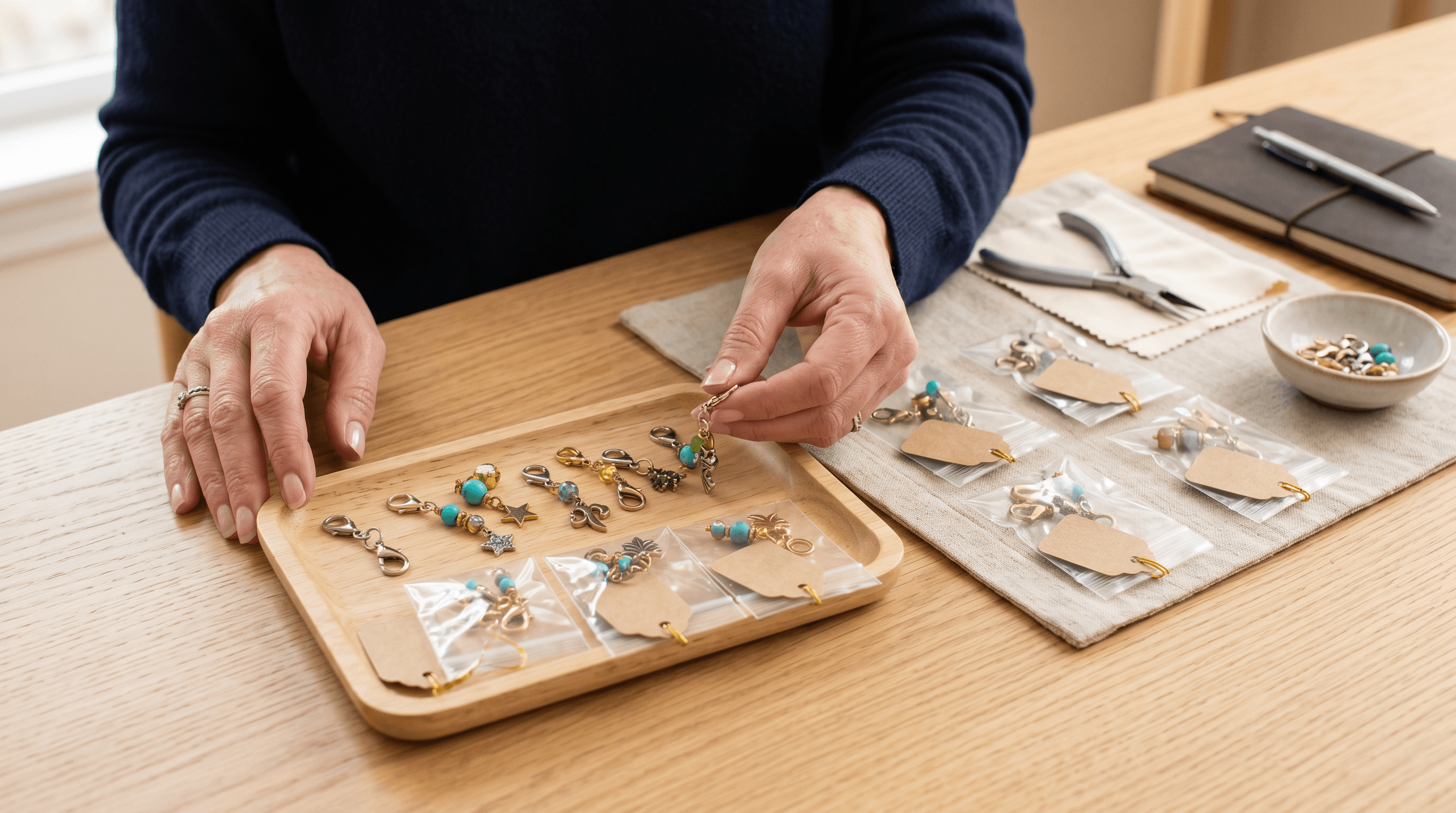
Build a receiving inspection checklist. For example, a buyer may inspect a small sample from each carton for packaging dents, missing accessories, loose hardware, color inconsistency, and barcode readability if barcodes are used. Do not wait until all pieces are listed online or placed on shelves to discover packaging damage.
Compliance is also part of packaging review. Buyers should confirm age labeling, small-parts warnings where applicable, language requirements, and any destination-market rules for toys, accessories, or collectible products. Requirements vary by market, so treat supplier information as one input, not a substitute for your own compliance verification.
Match reorder timing to the way customers buy travel accessories
Travel-themed charms may sell around holidays, graduation periods, summer trips, conventions, and gifting seasons. That does not mean the item is strictly seasonal, but timing still affects stock risk. A late shipment can miss a travel shopping window; too much inventory can tie up cash after the event passes.
Ask suppliers how they handle reorder communication, but avoid assuming future availability unless it is confirmed. If the product is part of a limited batch or changing series, your reorder plan should be more cautious. If it is expected to remain available, you can plan smaller initial orders and faster replenishment, provided freight economics still make sense.
For comparison, seasonal collectible planning has similar risk patterns. The Nanci Christmas Gift Series buying guide shows how timing can affect buyer decisions when a product is connected to a specific selling window.
- Before launch: prepare product photos, listing copy, and display fixtures before stock arrives.
- During the first sales period: track design-level demand instead of only total sales.
- Before reorder: compare remaining inventory by design, not just total units sold.
- After reorder: document any packaging or assortment differences from the first batch.
Warning signs when sourcing Kimmon Take You on a Trip Bag stock
Most sourcing mistakes happen before payment, when buyers accept incomplete answers because the product looks attractive. A supplier does not need to be perfect, but the reply should be specific enough for a commercial decision.
- Only lifestyle photos are provided: ask for actual packaging, inner pack, and carton photos.
- No written specification: confirm hardware, material, size, and packaging before treating pricing as final.
- Assortment is unclear: avoid ordering blind quantities if duplicate risk affects your selling model.
- Carton data is missing: freight estimates will be unreliable without carton dimensions and weight.
- Labeling questions are avoided: buyers should verify destination-market requirements before import.
- Price changes after basic questions: separate genuine updated quotes from vague or unstable offers.
- No damage process is discussed: ask what documentation is needed if cartons arrive damaged.
For stores building low-cost accessory baskets, it may help to compare the Kimmon bag charm against other small add-on products such as Link Click plush badges for anime shops. The goal is not to choose the cheapest item; it is to choose the format that your customers understand quickly and that your team can receive, display, and restock efficiently.
A quote message retailers can send before buying
A clear inquiry saves time and makes suppliers easier to compare. Customize the message below with your market, quantity range, and sales channel.

Hello, we are evaluating the Kimmon Take You on a Trip Bag for retail sale. Please confirm the available designs, packaging type, attachment hardware, product size, inner pack, master carton quantity, carton dimensions, gross weight, and current quote terms. Please also provide current product photos, packaging photos, and carton photos. If there is a minimum order quantity or case-pack requirement, please state it clearly. We also need to know whether mixed designs are available and what information is included on product labels for import review in our market.
After receiving replies, compare them in a simple table with columns for confirmed specs, unit quote, carton data, estimated landed cost, packaging photos received, compliance information received, and unanswered questions. The supplier with the lowest unit price is not always the best commercial option if the carton data is missing or the packaging risk is higher.
Before committing to stock, request a complete quote pack: product specification, assortment confirmation, packaging photos, carton data, payment terms, shipping options, and any documents you need for your destination-market review. A complete quote makes it easier to move from interest to purchase without surprises.
FAQ
What is the best way to evaluate a Kimmon bag charm before ordering?
Evaluate the product by confirming the physical specification, attachment hardware, packaging type, assortment details, carton quantity, and current photos. Do not compare quotes only by unit price.
Should retailers buy a full case or test a smaller quantity first?
That depends on supplier terms, freight economics, and your expected demand. If smaller tests are available, they can help identify popular designs. If only case orders are available, review assortment balance and carton cost carefully.
What packaging issues are common with bag charms?
Common risks include bent hang tags, scratched packaging, loose clasps, tangled chains, crushed corners, and missing small accessories. Buyers should inspect packaging and hardware when stock arrives.
How should I estimate landed cost for a travel bag charm?
Ask for unit price, carton quantity, carton size, gross weight, shipping method, and any handling charges. Then add freight, import-related costs, payment fees, inspection costs, and a reasonable damage allowance if needed.
Are compliance requirements the same in every market?
No. Labeling, safety, import, and small-parts requirements can vary by destination market. Buyers should verify local rules before importing or selling the product.
Final thoughts before you place the first order
The Kimmon Take You on a Trip Bag can be a useful accessory line when the format fits your customers and the quote is fully documented. Treat it like a commercial product, not just a cute image: confirm the hardware, packaging, assortment, carton data, landed cost, and compliance requirements before you buy.
A careful first order gives you better sales feedback, fewer receiving surprises, and a cleaner reorder decision. Prepare your questions early, compare supplier replies side by side, and only move forward when the product details match your retail plan.