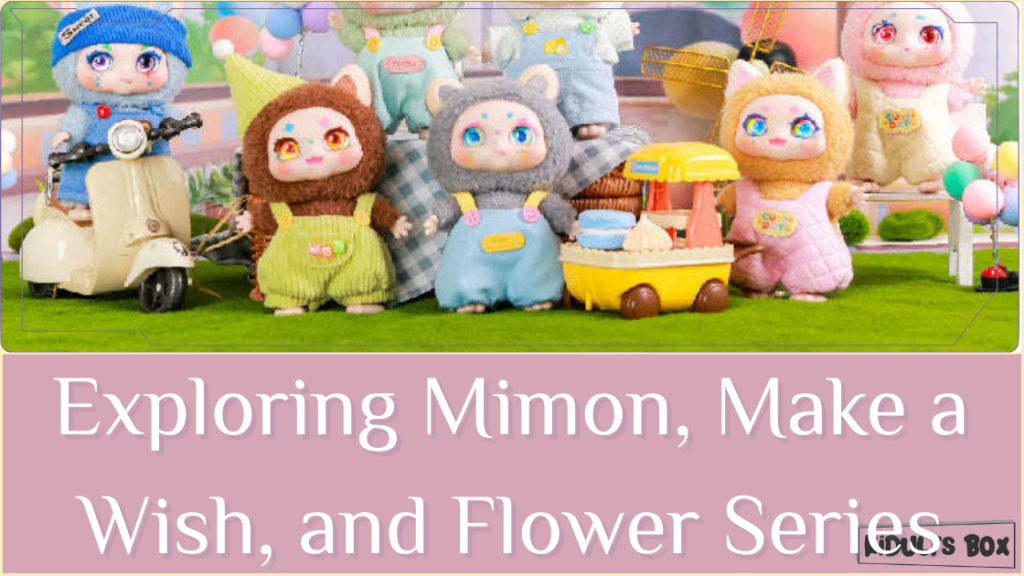



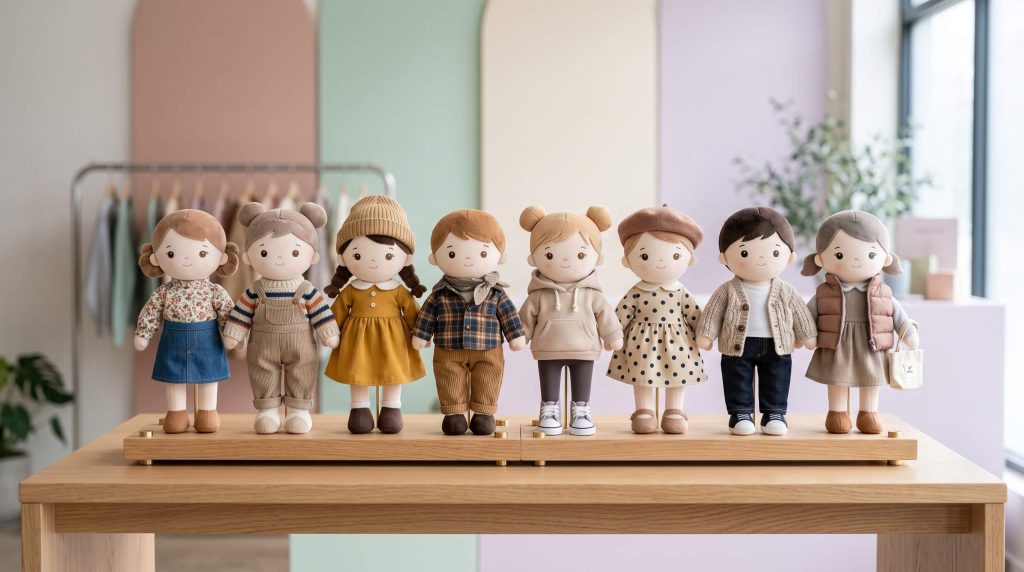
Fashion-themed plush lines can look easy to buy from photos, but retailers still have to judge outfit appeal, assortment risk, packaging durability, and reorder timing before committing shelf space. For buyers evaluating Kimmon Mimon Plush Daily Outfits, the key question is not only whether the characters are cute; it is whether the series can sell consistently across different customer tastes, store formats, and price points.
This guide is written for commercial buyers comparing plush products for toy shops, lifestyle boutiques, anime and collectible stores, gift retailers, and online sellers. It focuses on practical sourcing questions: what to confirm before quoting, how to compare cartons and case packs, which quality details affect returns, and when a plush quote is not yet complete enough to approve.
Start With the Outfit Concept, Not Just the Plush Face
Fashion-themed plush depends heavily on styling. A customer may choose one design because the outfit matches a mood, season, color palette, or personal aesthetic. Before requesting a quote, buyers should review whether the Daily Outfits concept fits the store’s existing customer profile.
Ask these buyer-side questions first:
- Is the appeal character-led or outfit-led? If the customer mainly wants the character, a simple plush may work. If the outfit is the selling point, details such as accessories, fabric contrast, and color combinations matter more.
- Will shoppers buy one piece or collect multiple looks? A fashion series may encourage repeat purchases if the designs feel different enough from each other.
- Does the line suit gifting? Soft colors, readable styling, and clean packaging can make plush easier to position as birthday, friendship, or casual gift items.
- Can the store display the outfits clearly? If hanging space or shelf depth is limited, ask for product dimensions and packaging format before assuming it will fit.
Retailers already carrying character collectibles may also compare the line with figure-based Kimmon products. For example, the Kimmon 200% figure sourcing guide is useful when deciding whether a store should emphasize hard collectibles, soft plush, or a mixed Kimmon display.
Who Should Test Kimmon Mimon Plush Daily Outfits First?
Kimmon Mimon Plush Daily Outfits may be most relevant for stores that already sell cute character goods, plush accessories, blind boxes, or small gift products. However, the test strategy should differ by buyer type.
| Buyer type | Likely use case | O que verificar antes de fazer o pedido |
|---|---|---|
| Collectible toy store | Character plush next to figures and blind boxes | Series lineup, display size, and whether customers can identify each outfit easily |
| Anime or pop culture shop | Soft goods add-on near checkout or themed shelves | Packaging style, hang tag format, and compatibility with existing plush categories |
| Gift boutique | Casual gifting, friendship gifts, seasonal table displays | Color palette, gift-ready presentation, and carton protection |
| Online seller | Product listing with close-up outfit photos | Available images, item dimensions, SKU naming, and variation handling |
| Event or pop-up retailer | Impulse plush sales during short selling windows | Case quantity, replenishment possibility, and packaging strength for transport |
| Multi-category lifestyle store | Fashion-themed plush beside bags, charms, and accessories | Whether the plush complements bag charms, badges, stationery, or mini gifts |
A retailer that sells accessories may want to test plush together with small add-ons. For adjacent product planning, the Baby Three zipper bag retail guide gives a useful comparison point for charm-style products and accessory-led merchandising.
Assortment Planning for a Fashion Plush Drop
Fashion plush can create assortment pressure because customers may prefer some outfits more than others. Before placing an order, ask whether the supplier quote is for a full set, mixed case, single design, or blind assortment. These formats create very different inventory risks.
As a planning reference, a small retailer might compare three test approaches:
- Balanced test: equal quantities of each outfit if individual designs can be ordered.
- Display-first test: one full visible lineup for merchandising, plus extra units of the most commercially flexible colors.
- Blind or mixed case test: easier purchasing process, but higher risk if the assortment ratio does not match customer demand.
Buyers should avoid assuming that product photos represent the actual case mix. Request a written line list with design names, item codes if available, packing ratio, and whether substitutions may occur. If a seller cannot confirm the difference between a full set, display box, and outer carton, the quote may not be ready for commercial comparison.
If you are preparing a first inquiry, send the supplier your preferred selling channel, target order size, and whether you need a full-set assortment or mixed cartons. Clear buying context usually leads to a more usable quote.
How Outfit Details Change Inspection and Return Risk
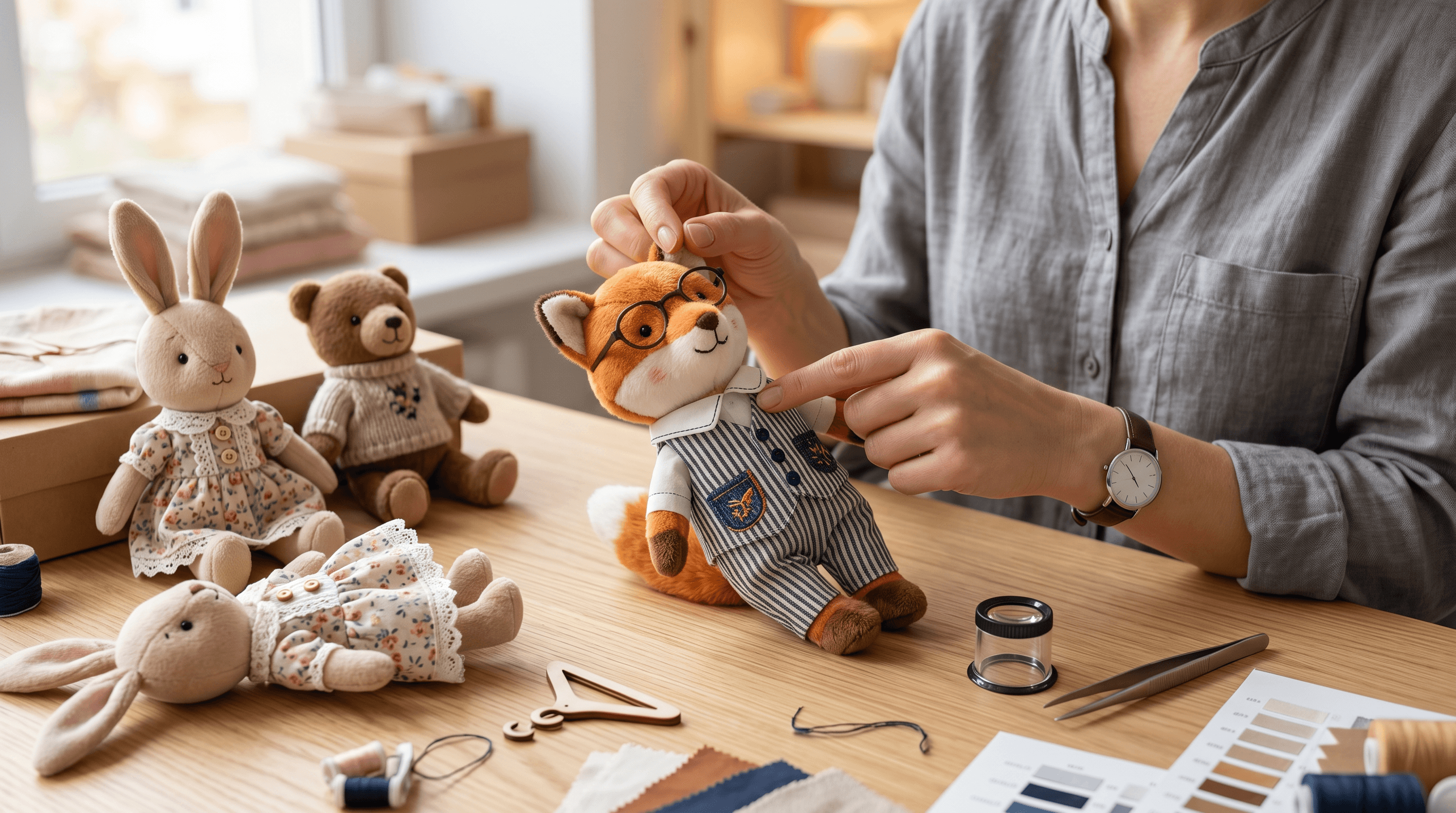
With fashion-themed plush, small construction details can affect customer satisfaction. Buyers should not inspect only the plush face and body shape. Clothing seams, attached accessories, embroidery, fabric edges, and loose threads deserve attention because they are the details shoppers notice when comparing designs in person.
For a first order, buyers can create a simple inspection checklist:
- Check whether outfit pieces sit consistently across multiple samples or units.
- Review stitching around sleeves, collars, bows, pockets, hats, or decorative panels.
- Confirm whether accessories are sewn, attached, or removable, and whether that affects age labeling or safety requirements.
- Look for color transfer risk, especially when dark fabrics touch light plush surfaces.
- Compare face embroidery placement across units to identify obvious alignment issues.
- Measure a few units to see whether size variation is acceptable for your product listing and shelf display.
For online stores, request close-up images before listing. A product page that shows only front-facing photos may not answer buyer questions about side profile, back details, hang loop, packaging, or fabric texture.
When comparing plush with other soft add-on products, note that badges, keychains, and mini plush items may have different inspection priorities. The Link Click plush badges sourcing guide is a relevant reference for lower-ticket soft accessories and checkout add-on planning.
Why Carton Math Matters for Daily Outfit Plush Orders
Plush items can be bulky relative to their unit value, so carton math matters. A low unit quote may become less attractive if the product ships in large cartons, requires protective packaging, or fills storage space quickly. Buyers should calculate beyond the item price and ask for dimensions early.
Request these details before comparing offers:
- Single item size and weight, including packaging if applicable.
- Inner pack quantity, display box quantity, and master carton quantity.
- Carton dimensions and gross weight.
- Whether the quote is for individual units, full sets, or sealed cartons.
- Whether mixed designs are packed randomly or according to a fixed ratio.
- Any extra packing method required to protect tags, boxes, or gift presentation.
For example, two suppliers may quote the same unit price, but one case may include fewer sellable units per carton because each plush has a larger presentation box. Another quote may appear cheaper until freight is estimated. The more practical comparison is landed cost per sellable unit, including product cost, freight, duties or taxes where applicable, payment fees, inspection costs if used, and local handling.
Buyers should verify import duties, labeling rules, and toy or textile requirements for their destination market. Do not rely on a generic statement that a product is suitable for all markets; requirements can vary by country, product construction, age grading, and labeling language.
Packaging Checks Before a Fashion-Themed Plush Launch
Packaging is part of the selling experience for fashion plush. A cute outfit may lose impact if the hang tag is bent, the bag is cloudy, or the carton crushes the display shape. Buyers should ask for packaging photos before paying for bulk stock, especially if the product will be sold as a gift or online collectible.
Use this packaging review list:
- Retail presentation: polybag, window box, display box, hang tag, or other format.
- Barcode and labeling: confirm whether labels are included, where they are placed, and whether your market requires additional information.
- Carton protection: ask how plush units are arranged inside cartons and whether tags or boxes are protected from bending.
- Moisture control: soft goods can be affected by humidity during transport or storage, so buyers may ask how cartons are packed and sealed.
- Gift readiness: check whether the packaging is clean enough for direct retail sale or needs store-level repacking.
- Online fulfillment: confirm whether the plush can be shipped individually without crushing the outfit or packaging.
If the line will sit beside other plush blind box or gift-oriented items, compare the packaging style with similar soft collectible categories. The Nommi Amaryllis Sweetheart Series buying guide offers useful context for plush products where presentation and gifting appeal are part of the retail decision.
Shipping Windows and Reorder Signals for Soft Goods
Retailers should plan plush orders around the selling window, not only around the supplier’s quoted production or dispatch estimate. Soft goods may take up more freight volume, and replenishment can be harder if the first batch sells unevenly across designs.
Before approving a purchase, decide how you will measure reorder demand. As a planning reference, a store might set internal signals such as:
- Review sell-through after the first weekend for pop-up events or short campaigns.
- Track which outfit designs receive the most saves, wishlists, or in-store handling.
- Reorder only after confirming whether the same assortment ratio is still available.
- Hold back a small display quantity if the product is used to attract traffic to a themed shelf.
- Compare plush sell-through against related bags, badges, and figures to decide future category balance.
Seasonal timing can also shape reorder decisions. If you plan plush around holiday or gifting peaks, the Nanci Christmas Gift Series buying guide shows how seasonal blind box windows affect order timing and quantity planning.
For online sellers, listing accuracy also affects reorder timing. If the supplier cannot provide stable variation names or clear design references, customer service issues may increase. Ask for a product line sheet that matches the names you will use in your store.

Shipping planning should include buffer time for inspection, labeling, photography, product page creation, and local fulfillment preparation. These steps are often outside the supplier quote, but they affect when the item is actually ready to sell.
When a Kimmon Mimon Plush Quote Is Not Yet Comparable
A Kimmon Mimon Plush quote is not comparable until the buyer knows exactly what is included. A short message with only a unit price can be useful for early screening, but it is not enough for purchasing approval.
Use this inquiry template when requesting a quote:
Hello, we are evaluating Kimmon Mimon Plush Daily Outfits for retail sale. Please quote based on the details below:
- Product name and available outfit designs
- Whether ordering is by single design, full set, mixed case, or sealed carton
- MOQ or minimum case quantity for a first order
- Unit size, packaged size, and item weight
- Inner pack and master carton quantity
- Carton dimensions and gross weight
- Packaging format and label/barcode options
- Available product photos or sample photo options
- Estimated preparation time, shipping method options, and quote validity
- Any documents, labeling details, or compliance information buyers should review for our market
Red flags to watch for include inconsistent design names, refusal to clarify carton quantities, product images that do not match quoted packaging, unclear assortment ratios, and pressure to pay before basic specifications are confirmed. None of these automatically prove a supplier is unsuitable, but each one should slow the buying process until the missing detail is documented.
Before placing a first order, prepare your target assortment, packaging requirements, destination market, and expected sales channel. Then request a written quote that includes carton data, MOQ or case quantity, shipping assumptions, and product photos so you can compare offers on landed cost rather than unit price alone.
PERGUNTAS FREQUENTES
Is Kimmon Mimon Plush Daily Outfits better for gift shops or collectible stores?
It can fit both, but the buying logic is different. Gift shops should focus on presentation, color appeal, and packaging condition, while collectible stores should check assortment structure, character demand, and repeat-purchase potential.
What should buyers confirm before ordering fashion-themed plush?
Buyers should confirm design lineup, ordering format, MOQ or case quantity, item size, carton data, packaging format, labeling needs, and whether the assortment ratio is fixed or random.
How can retailers estimate landed cost for plush toys?
Retailers should combine unit cost with freight, duties or taxes where applicable, payment fees, inspection or labeling costs, local handling, and the number of sellable units per carton.
Are plush outfit details important during inspection?
Yes. Clothing seams, accessories, embroidery placement, fabric edges, and color transfer risk can affect customer satisfaction and return rates, especially for fashion-themed plush.
Should buyers request samples before a bulk plush order?
When possible, samples or detailed pre-order photos are useful for checking fabric feel, outfit construction, size, packaging, and photo accuracy before committing to a larger order.
Before You Place the First Fashion Plush Order
Kimmon Mimon Plush Daily Outfits should be evaluated as a styled retail line, not only as a cute plush item. The outfit concept, assortment structure, packaging condition, carton efficiency, and reorder plan all affect whether the product performs well after it reaches the shelf.
The safest next step is to turn your buying assumptions into written questions. Confirm what is being quoted, how it is packed, how designs are mixed, what your landed cost may look like, and what checks are needed for your market. A more complete quote may take longer to prepare, but it gives buyers a much clearer basis for deciding whether to test, reorder, or compare another plush series.